
Now accepting telehealth patients in California, Texas, New York, Florida, and Washington.
Unlock Your Child’s
Full Growth Potential
Advanced AI growth
plate evaluation

FDA approved
growth hormone treatment

Personalized
treatment plan
Direct, On-Demand Access
to Your Care Team
Starting Treatment
Starting Treatment
4.5 CM in 6 Months
After Treatment
Starting Treatment
Starting Treatment
8.5 CM in 12 Months
After Treatment
Starting Treatment
Starting Treatment
10 CM in 12 Months
After Treatment
Starting Treatment
Starting Treatment
15 CM in 18 Months
After Treatment
Grew 4.6 inches in 12 months
Grew 6.7 inches in 18 months
Grew 6.54 inches in 18 months
Grew 7.2 inches in 18 months
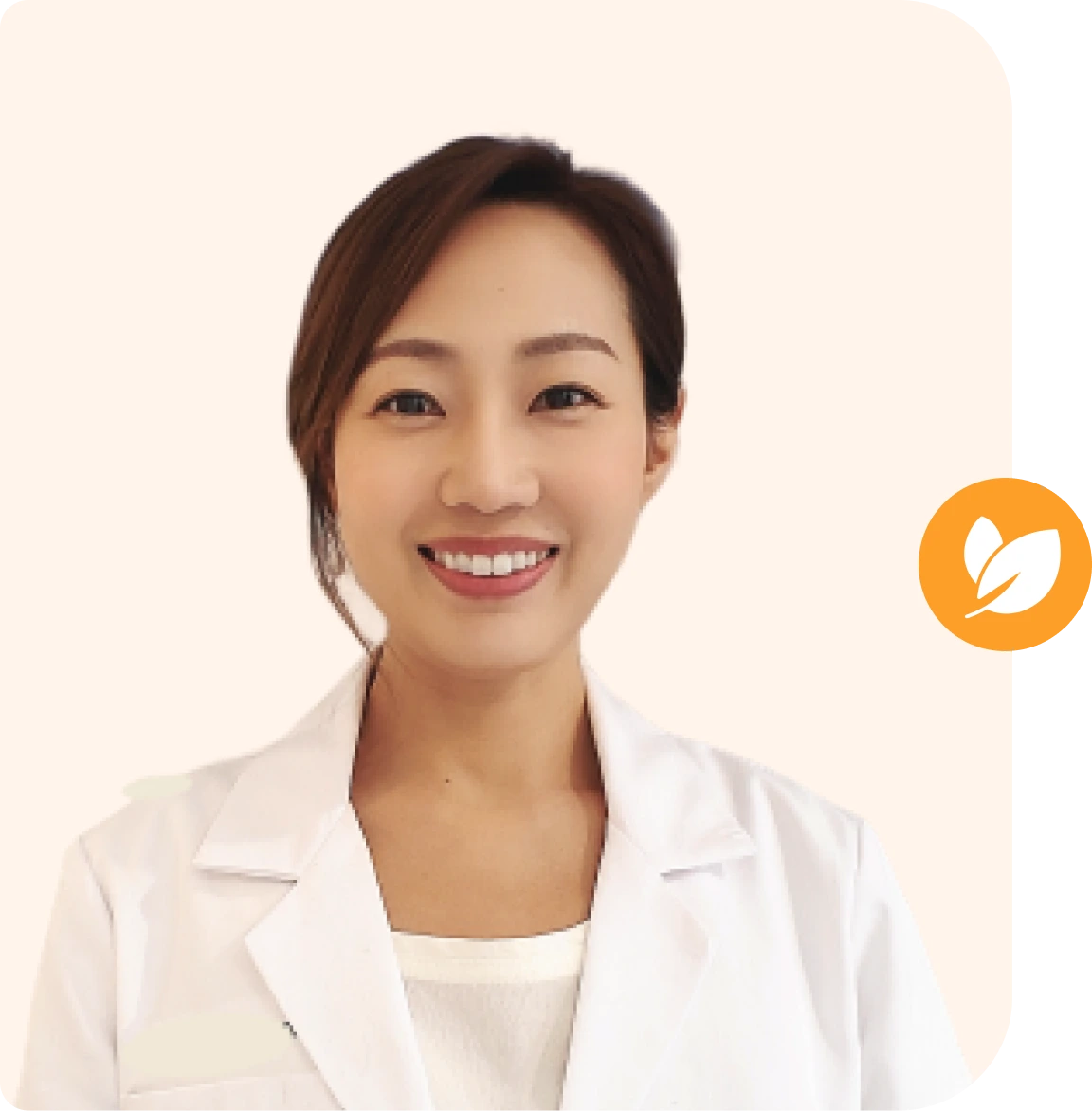

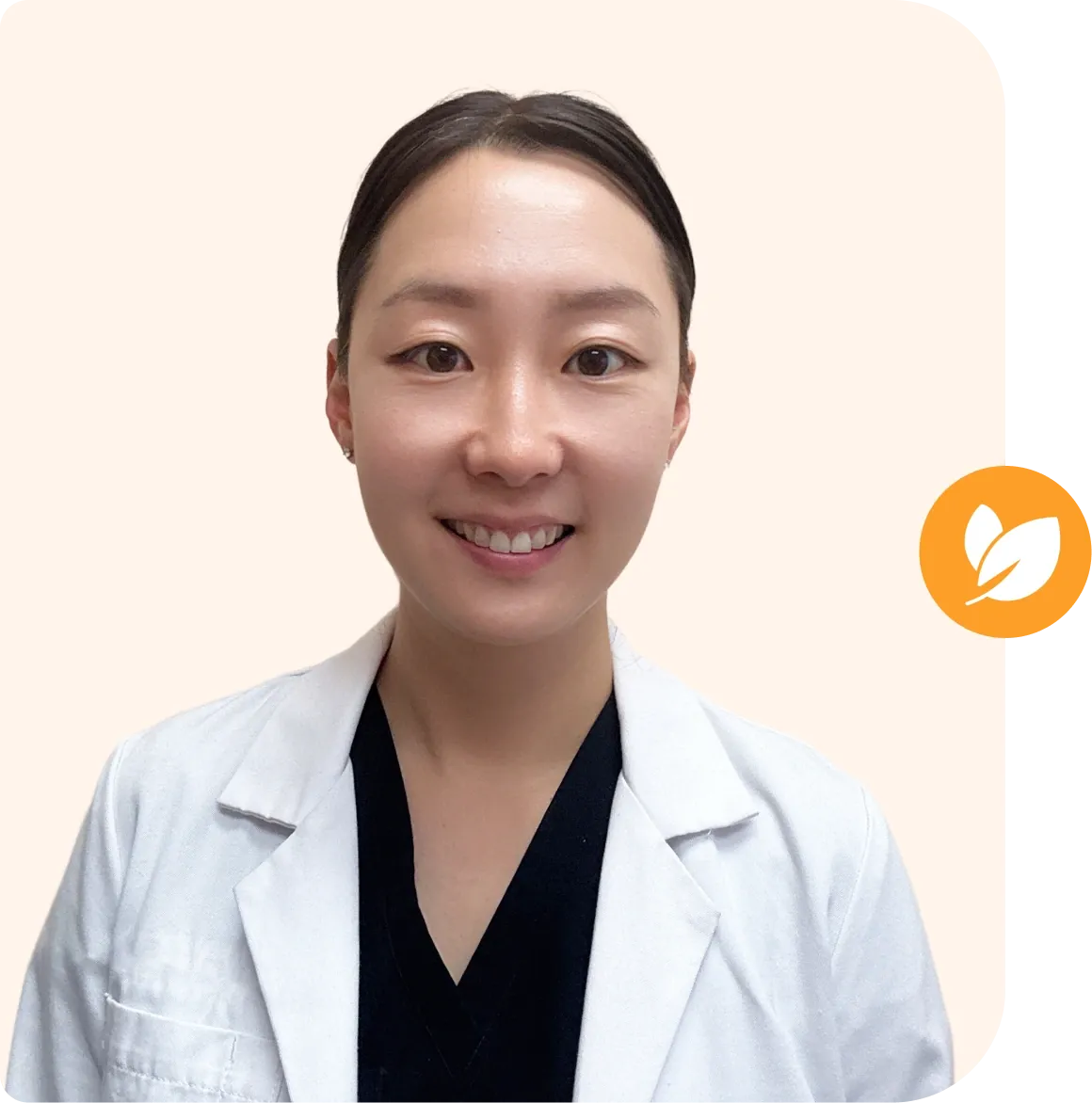
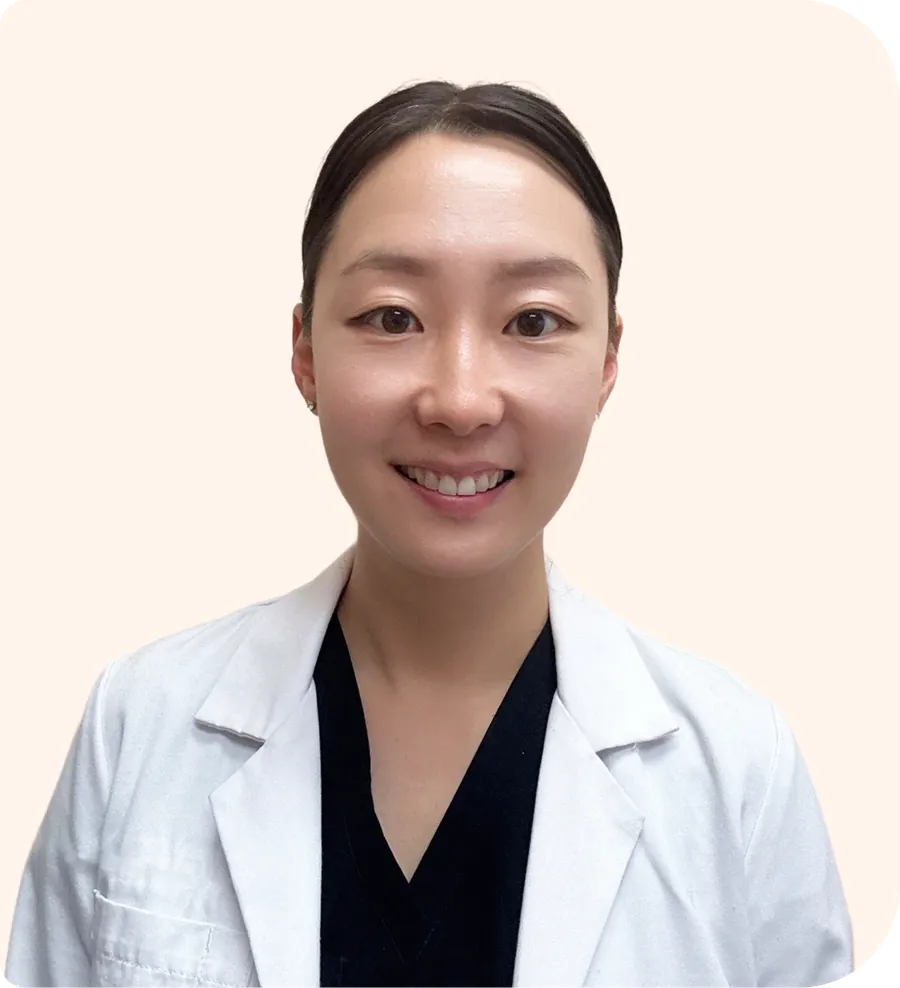
Physician & Founder
Dr. Choi founded I Grow Clinic in 2021 to provide specialized growth care for children with idiopathic short stature. She’s passionate about helping each child reach their full potential through safe, science-based treatments and compassionate care.
Nurse Practitioner
Nurse Practitioner Sunjo brings extensive clinical experience and deep expertise in patient-centered care, clinical assessment, and wellness-focused treatment. She is dedicated to enhancing patients’ health, vitality, and overall quality of life, consistently applying her knowledge and skills with care. In particular, she is committed to creating healthier and more positive outcomes through personalized approaches in the rapidly evolving field of growth hormone therapy.
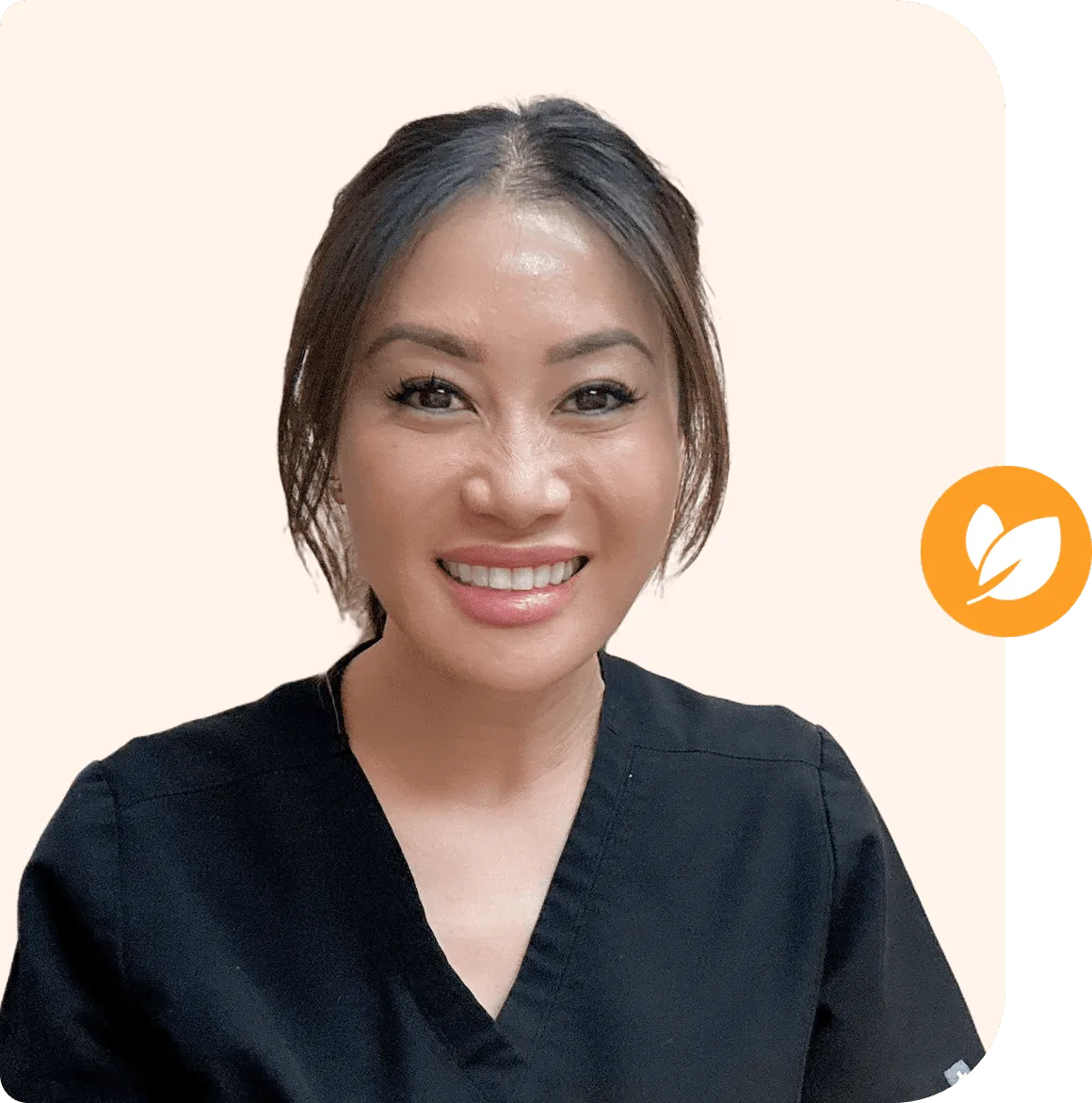
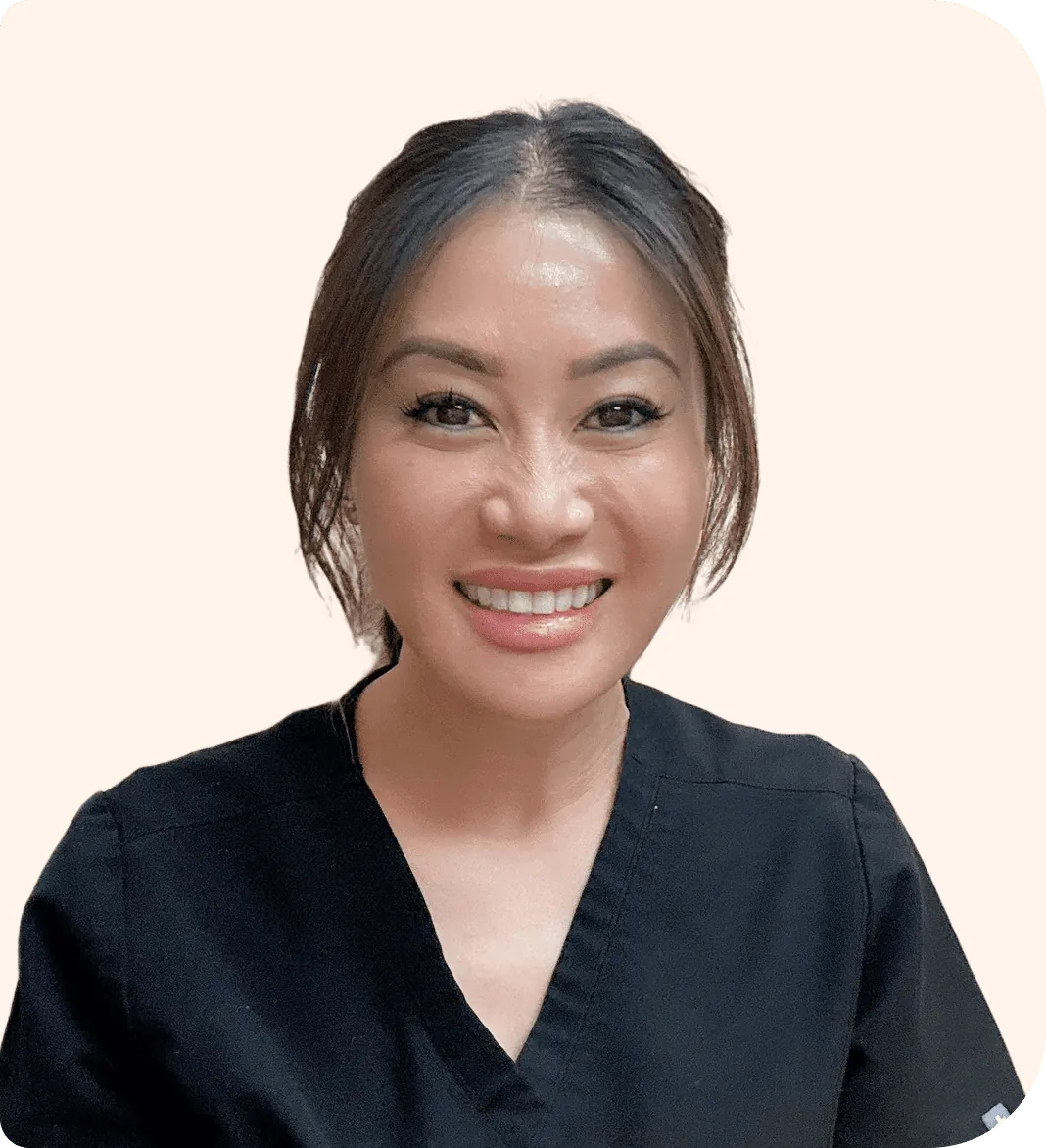
Nurse Practitioner
With a steady and experienced hand, Jenny guides families through the journey of growth hormone care. She excels at making complex information clear for parents, while her reassuring approach puts children at ease, making every visit a positive experience.
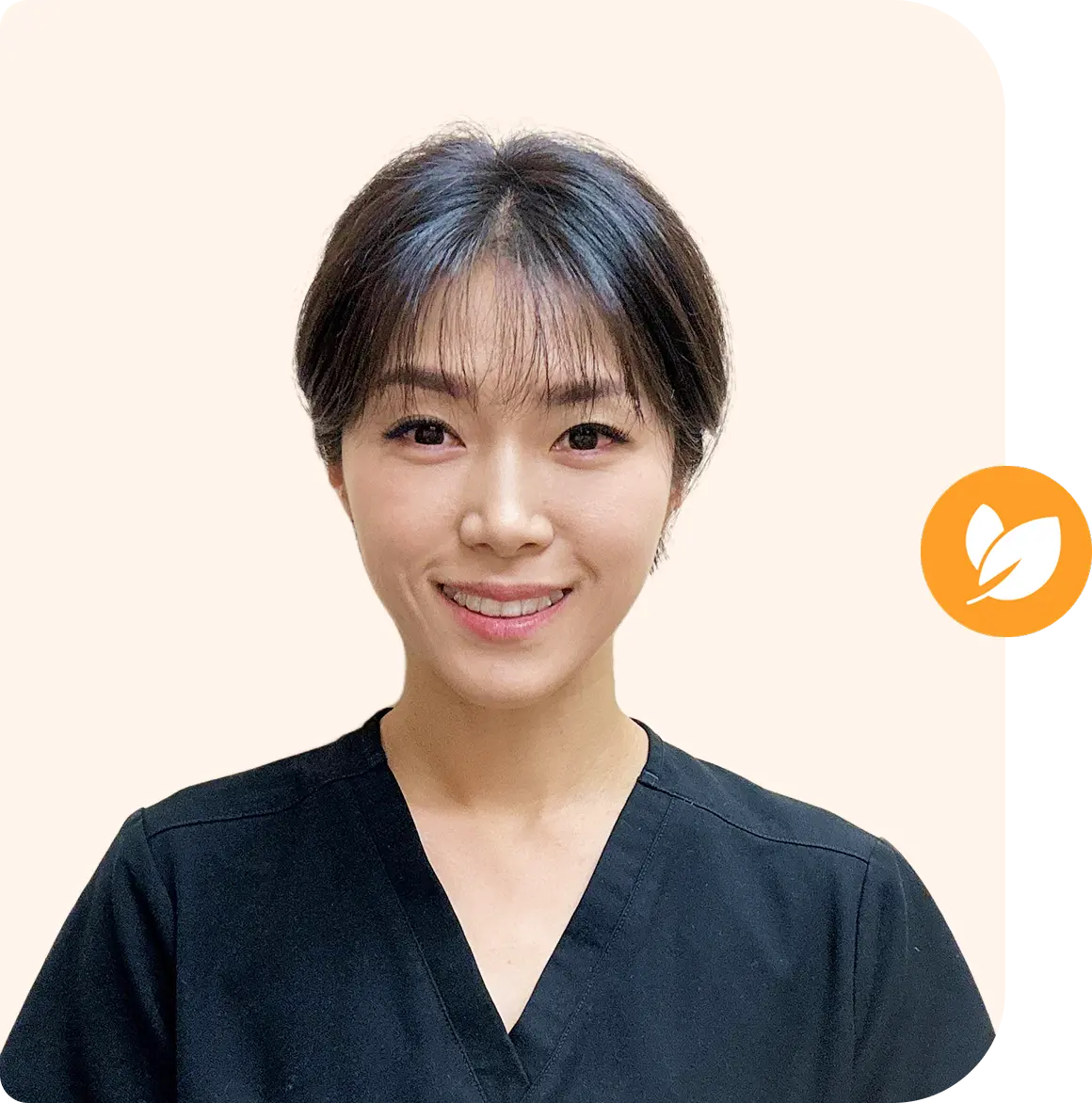
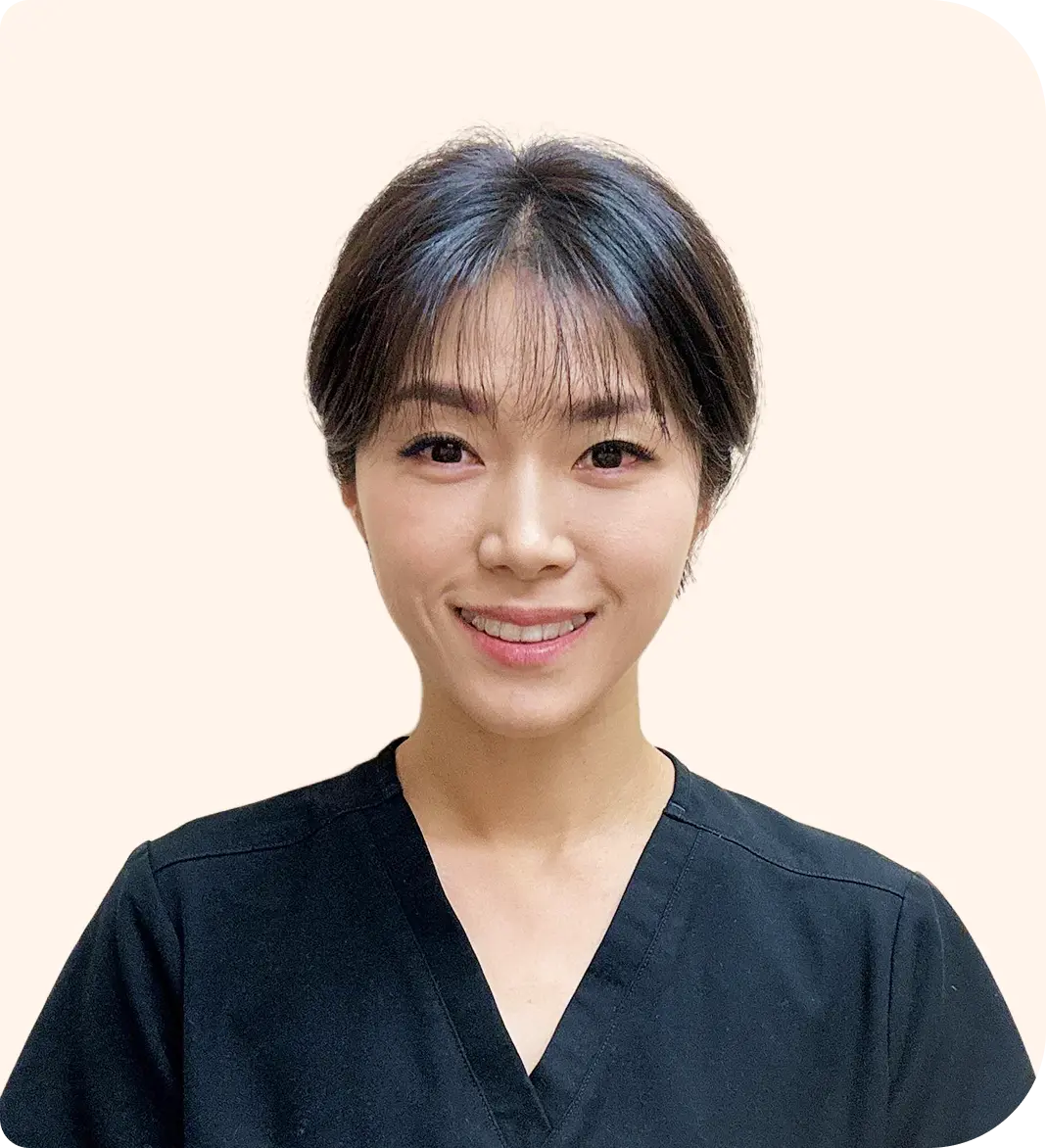
Nurse Practitioner
With over 13 years of experience in pediatric health, Yuri combines sharp clinical judgment with a natural gift for connecting with families. She listens closely, explains things clearly, and helps parents feel truly confident in every decision about their child’s growth journey.
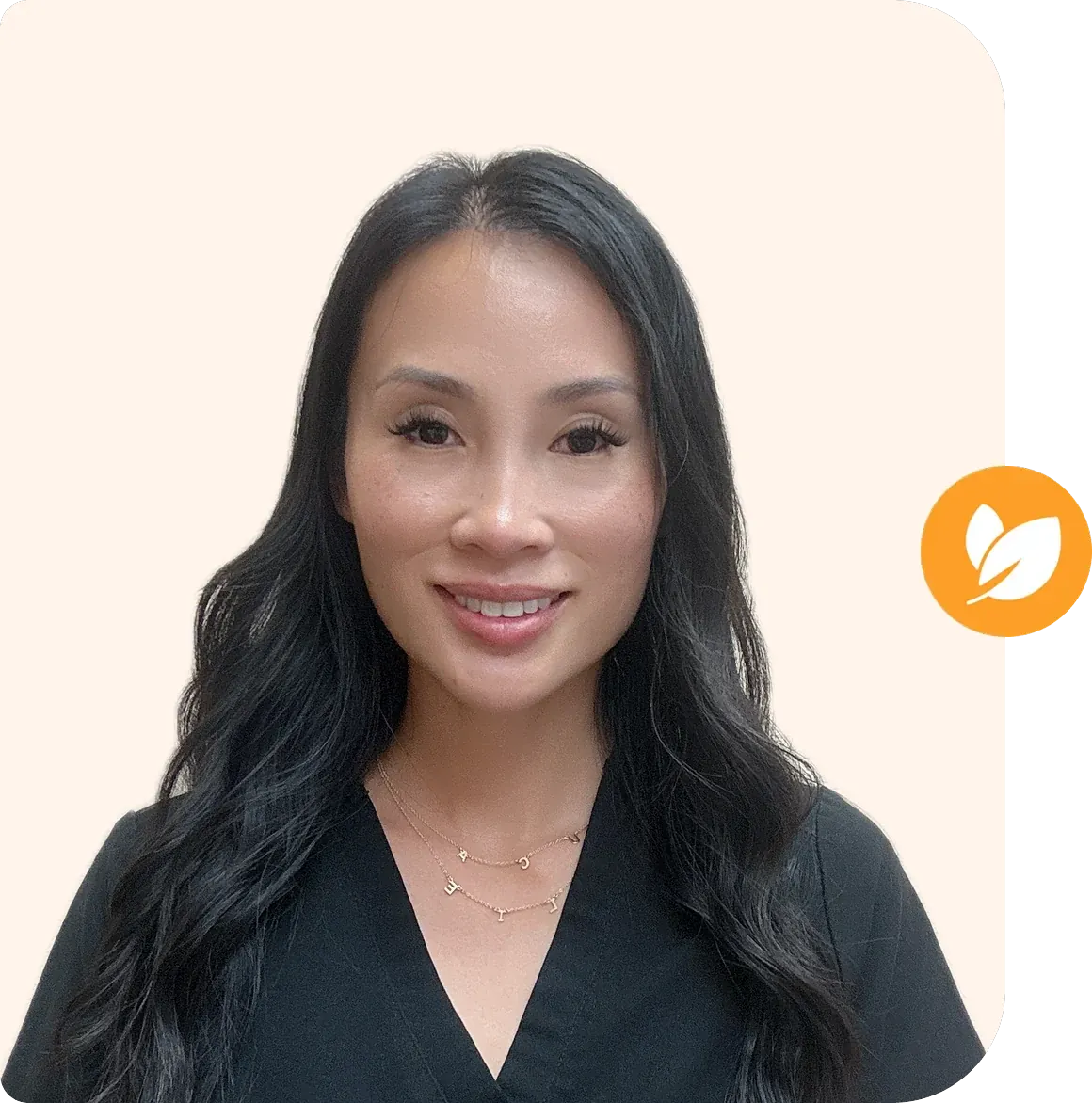
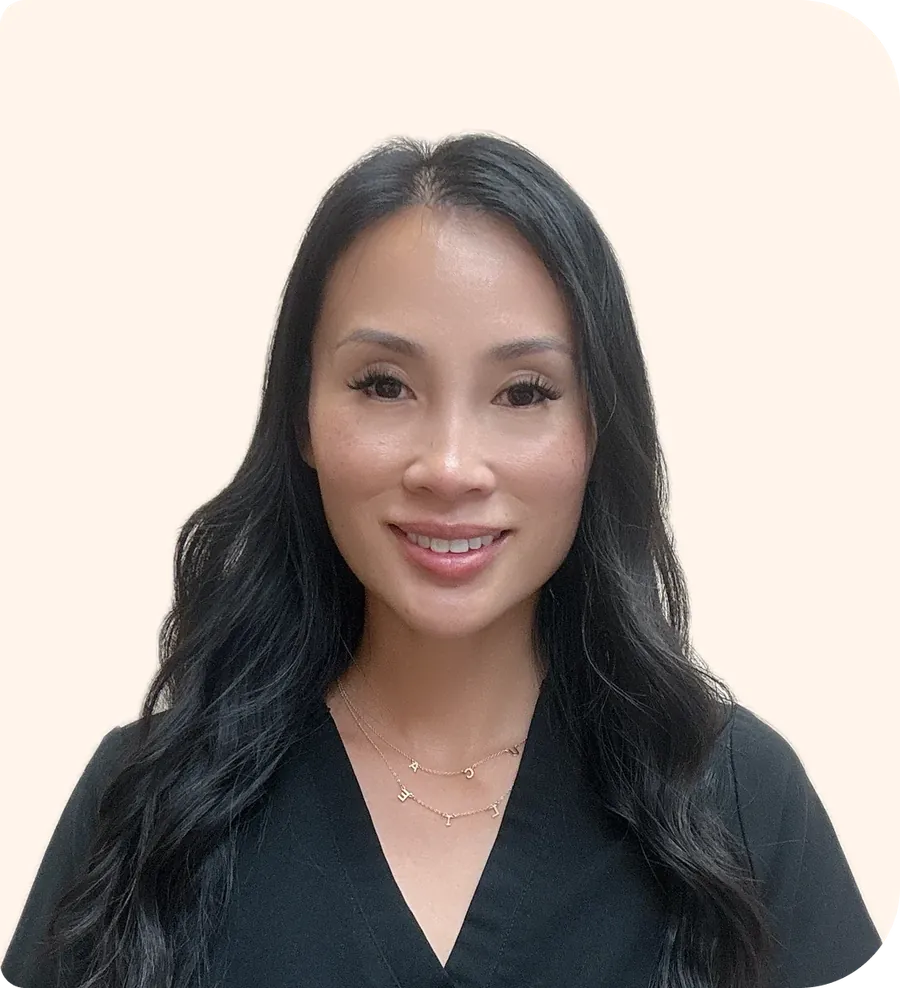
Nurse Practitioner
With 12 years of experience in pediatrics, Vy brings a thoughtful, thorough approach to every child’s growth evaluation. Vy is known for taking the time to understand each child’s growth story, answering parents’ questions in plain language, and making sure every family leaves feeling informed and supported. Families appreciate Vy’s genuine attention to each child’s progress.

Physician & Founder
Nurse Practitioner
Ina Poong
Office Manager
Esther Ahn
Office Manager
Minnie Lee, RN BSN
Registered Nurse
Eliana Kim
Front Desk Staff
Kim
Front Desk Staff
Emily Chiang
Front Desk Staff
Karyn How
Front Desk Staff
Yeeun Jun
Front Desk Staff
Ina Poong
Office manager
Esther Ahn
Office manager
Hailey Nguyen
Front Desk Staff
Eliana Kim
Front Desk Staff
Kim
Front Desk Staff
Nadia De La Riva
Front Desk Staff
Emily Chiang
Front Desk Staff
Karyn How
Front Desk Staff
Jane Palahang
Front Desk Staff

At I Grow Clinic, we help every NY child reach their
full growth potential through personalized care
Recombinant human growth hormone (rhGH) has been FDA-approved since 1985 after extensive research confirmed its safety and benefits. For decades, growth hormone therapy has safely helped children reach their full growth potential. Studies and leading endocrine societies confirm no long-term side effects when treatment is properly prescribed and monitored.
Before treatment, each child receives a full medical evaluation to ensure safety and suitability.
Our evaluation includes:
Laboratory testing to review hormone and metabolic health
Growth-plate X-ray assessment to confirm bone maturity and suitability for treatment
Throughout treatment, our physicians provide:
Individualized treatment plans with carefully monitored dosing
Regular growth assessments to track progress
Follow-up care, which includes:
Regular blood tests to track hormone levels and response
X-rays to assess bone growth and maturity
Telehealth or in-person visits to review and adjust treatment
Every step of your child’s care at I Grow Clinic is guided by medical expertise, evidence-based practice, and
compassionate care, helping each child in New York grow safely, confidently, and to their fullest potential.

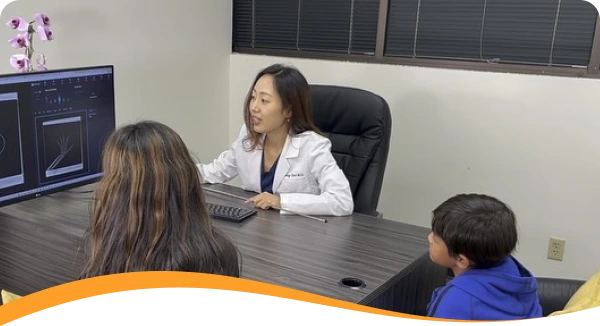
Using advanced AI software, we compare your child’s bone age with their chronological age to estimate their remaining growth potential and predict their final height.

Our Provider will review the results with you, explain any differences between bone age and actual age, and discuss whether additional steps are recommended.

RESULTS THAT SPEAK FOR THEMSELVES
in 9 months
in 12 months
Nearly 4,000 Satisfied Families
Completely satisfied

Highly recommended
Love Dr. Choi! She is so patient and answers all our questions. We have witnessed a height increase by 5.1cm in our child in the past 6 months and are so excited for continued growth. Highly recommend Dr. Choi!
Thrilled with the results
Beyond satisfied
Happy With the Improvement
Stephanie L.
Very pleased with the progress
I highly recommend I Grow Clinic if you are concerned about your child’s height. I have a daughter who was not short at all, but still attended an oriental clinic regularly for multiple reasons. One day, they tested her growth plate and told me her bone growth was not enough for her age. This could result in her being shorter than average later. ... I started searching for what this meant, and I found out that the age of bone was the key for growth and height. However, they didn’t tell me about the age. I googled and came across I Grow Clinic. Luckily, they provided the age of the bone growth and detailed treatments. My daughter received a growth treatment at I Grow Clinic with Dr. Sung. My whole family is satisfied with the result. She is 18 cm taller than her first visit during 21 months. Thank you Dr. Sung and I Grow Clinic staff.
Read more Completely satisfied
Dr Choi is very detail-oriented. She monitors lab values to make sure the treatment is safe. The clinic is pediatric friendly. The staff is very nice. My child is growing and the treatment is effective. We are completely satisfied with I Grow Clinic.
Highly recommended
Thrilled with the results
Beyond satisfied
My son has been having growth hormone treatment for 18 months, and his height has increased by 8.47 inches. His height percentile among children of the same age has improved from 58% to 93.7%. My son and I are very satisfied with the results and plan to continue this treatment for as long as possible. We are so thankful to Igrow Clinic.
Happy With the Improvement
Stephanie L.
Very pleased with the progress
I highly recommend I Grow Clinic if you are concerned about your child’s height. I have a daughter who was not short at all, but still attended an oriental clinic regularly for multiple reasons. One day, they tested her growth plate and told me her bone growth was not enough for her age. This could result in her being shorter than average later. ... I started searching for what this meant, and I found out that the age of bone was the key for growth and height. However, they didn’t tell me about the age. I googled and came across I Grow Clinic. Luckily, they provided the age of the bone growth and detailed treatments. My daughter received a growth treatment at I Grow Clinic with Dr. Sung. My whole family is satisfied with the result. She is 18 cm taller than her first visit during 21 months. Thank you Dr. Sung and I Grow Clinic staff.
Read more 
In-Person Visits at our
Fullerton clinic

Virtual Appointments
Specially for NY residents for convenient, at-home evaluations
and follow-ups
The medication is self‑injected six times a week at nighttime, under the skin with a very thin needle. Families receive detailed education, video training, and in‑home nurse support when treatment begins.
The growth hormone treatment is known to be quite safe. Serious side effects are very rare in children without underlying diseases. Temporary pain and itching at the injection site may occur. During the initial stages of treatment, temporary flu-like symptoms, hypothyroidism, swelling, and headaches can also occur, although these are still rare. The dosage of medication may be adjusted with close monitoring to manage these side effects.
SCFE (Slipped Capital Femoral Epiphysis) is very rare but can occur in boys with severe obesity (BMI ≥ 29), particularly during periods of rapid growth. Additionally, if children already have scoliosis, the curvature may worsen during their rapid growth. Therefore, it is crucial to maintain an appropriate growth rate, avoid excessive weight gain, and closely follow up with the prescribing physician throughout growth hormone treatment.
Human growth hormone treatment is contraindicated in patients with active cancer, diabetes, thyroid disease, or sleep apnea due to morbid obesity.
Sleep, nutrition, and exercise all play important roles. Children benefit from 9–10 hours of sleep, balanced meals rich in protein and calcium, and daily physical activity such as running or jumping.
Costs depend on dosage, which is determined by weight, age, and growth plate status. Younger children often require lower doses. Health insurance typically does not cover hGH treatment when there are no medical diseases significantly affecting a child’s growth. The exact cost is determined after the initial consultation, based on your child’s growth plate exam and individualized treatment plan.
Eligibility is determined after the initial consultation. In insurance-covered cases, a diagnosed medical condition is usually required for approval. However, in self-pay cases, treatment is not limited to children with a medical disease. The key factor is whether the growth plates in the arms and legs remain open, showing sufficient growth potential. Through X-ray evaluation and consultation, our medical specialists determine who is most likely to respond effectively to growth hormone therapy.
Duration varies by child and depends on factors such as growth plate status, age, and stage of puberty. Progress is reviewed every six months to determine whether to continue treatment.
A monthly online check-in is required to review your child’s height and weight. Measurements should be taken accurately at home and reported to the clinic. Blood tests are performed every six months for ongoing monitoring, and hand X-rays to assess bone age are done every 6 to 12 months, depending on growth plate status.
Yes we can treat your child with our telehealth services in NY for adelecent growth treatments. Please contact us for details specific to your location.
Every child responds differently. Some show rapid improvement in growth velocity, while others progress more gradually. Our role is to monitor carefully and provide realistic guidance without promising specific outcomes.
Let’s Support Your
Child’s Growth Together
We’re here to support your child’s growth journey every step of the way.
Adolescence is a remarkable period of transformation, but for children facing growth disorders, this natural progression can feel like an uncertain journey. In New York, advances in pediatric endocrinology offer families unprecedented opportunities to address conditions ranging from growth hormone deficiency (GHD) to idiopathic short stature (ISS) , Turner syndrome, small for gestational age (SGA) with failure to catch up, and achondroplasia—all through non-invasive, medication-based approaches. With access to IGrow Clinic Telehealth program, New York families have unique advantages when navigating this complex medical landscape. Understanding the options—the clinical benefits, the compelling reasons for intervention, what treatment protocols involve, and the financial landscape—can empower parents to make informed decisions for their children.
Pediatric growth disorders encompass a wide spectrum of conditions that affect a child’s physical development. These are not merely about height—they involve complex endocrine system dysfunction and genetic conditions that can impact overall health, bone mineral density, metabolic function, cardiovascular health, and quality of life.
| Disorder Category | Common Conditions | Treatment Approach |
|---|---|---|
| Growth Hormone Deficiency (GHD) | Isolated GHD, multiple pituitary hormone deficiencies | Recombinant human growth hormone (rhGH) therapy |
| Idiopathic Short Stature (ISS) | Short stature with no identifiable cause | Growth hormone therapy for eligible children |
| Turner Syndrome | X-chromosome abnormality affecting growth | Growth hormone therapy starting as early as age 2 |
| Small for Gestational Age (SGA) | Failure to catch up after low birth weight | Growth hormone therapy for children who don’t achieve catch-up growth |
| Achondroplasia | Most common form of dwarfism | Voxzogo (vosoritide) —a daily non-invasive injection |
| SHOX Deficiency | Short stature with Madelung deformity risk | Growth hormone therapy |
| Noonan Syndrome | Genetic syndrome affecting growth | Growth hormone therapy |
| Prader-Willi Syndrome | Genetic condition with growth hormone deficiency | Growth hormone therapy improving body composition and growth |
Growth hormone therapy involves the administration of recombinant human growth hormone (rhGH) —synthetic somatropin—to children with confirmed growth hormone deficiency (GHD) or other FDA-approved indications. Leading products include Norditropin, Genotropin, Humatrope, and Saizen, available in both daily injection and weekly formulations.
These medications are administered via subcutaneous injection using sophisticated delivery systems. Auto-injector pens like Norditropin FlexPro and Genotropin GoQuick make self-administration simple and virtually painless.
The benefits of growth hormone therapy extend far beyond increased height velocity. Clinical studies demonstrate:
Improved bone mineral density: Essential for long-term skeletal health and preventing osteoporosis
Enhanced cardiovascular function: Growth hormone affects cardiac muscle development and heart health
Optimized metabolic profile: Improved lipid metabolism, reduced visceral fat, and better body composition
Better cognitive outcomes: Children receiving treatment show improved executive function and health-related quality of life
Psychosocial development: Achieving height within normal ranges reduces bullying, social isolation, and improves self-esteem
Increased muscle mass: Particularly important for children with Prader-Willi syndrome
Improved energy levels: Many children report feeling more energetic and active
The decision to initiate growth hormone therapy is based on established clinical criteria. At New York institutions, pediatric endocrinologists evaluate:
Bone age X-rays: To determine remaining growth potential and confirm open growth plates
Growth hormone stimulation tests: To confirm deficiency (arginine, clonidine, or glucagon stimulation)
IGF-1 and IGFBP-3 levels: To assess the growth hormone/IGF-1 axis function
Growth velocity tracking: Documenting suboptimal growth over 6-12 months (typically less than 4-5 cm/year)
Genetic testing: For suspected syndromes like Turner syndrome, SHOX deficiency, or Noonan syndrome
MRI of the pituitary: To rule out structural abnormalities in cases of confirmed deficiency
Early intervention is critical. Research shows that children who begin treatment before significant bone age delay achieves superior adult height outcomes. The window for treatment is limited—growth hormone therapy is only effective while growth plates remain open, typically until bone age 14-16 in girls and 16-18 in boys.
Achondroplasia, the most common form of dwarfism, affects approximately 1 in 25,000 births. For decades, families had no pharmaceutical options—only supportive care and surgical interventions for complications. Today, Voxzogo (vosoritide) represents a paradigm shift in non-invasive treatment.
Voxzogo is a C-type natriuretic peptide (CNP) analog that works by binding to natriuretic peptide receptor-B (NPR-B) on chondrocytes—the cells responsible for bone formation. This stimulates endochondral ossification through the FGFR3 pathway, effectively counteracting the underlying mechanism that causes achondroplasia.
The result is increased annualized growth velocity (AGV) while maintaining normal body proportions. Unlike historical treatments that might disproportionately lengthen limbs, Voxzogo promotes proportional growth across the skeleton.
Increased growth velocity: Clinical trials demonstrated a 1.57 cm/year improvement over placebo in children with achondroplasia
Maintained body proportions: Promotes proportional growth across all skeletal segments
Early intervention: FDA-approved for children aged 2 and older with open growth plates
Quality of life improvements: Enhanced functional abilities, improved mobility, and reduced medical complications
Non-invasive: Daily subcutaneous injection similar to growth hormone therapy
No surgery required: Entirely medication-based treatment
Beyond height, untreated achondroplasia carries significant health risks that non-invasive treatment may help mitigate:
Foramen magnum stenosis: Narrowing at the base of the skull that can compress the brainstem
Sleep apnea: Due to airway narrowing and craniofacial features
Spinal compression: Resulting from spinal stenosis
Bowing of the legs: Progressive angular deformities
Recurrent ear infections: Due to Eustachian tube anatomy
Early treatment with Voxzogo may reduce the severity of these complications while optimizing growth outcomes. The medication is administered daily at home, with regular follow-up appointments to monitor progress and adjust dosing based on weight.
For a small subset of children with growth disorders, growth hormone therapy is not effective. Severe primary IGF-1 deficiency is a condition where the body cannot produce adequate insulin-like growth factor (IGF-1) despite normal or elevated growth hormone levels. These children do not respond to growth hormone therapy because the problem lies downstream in the growth hormone/IGF-1 axis.
Increlex (mecasermin) is recombinant IGF-1—essentially replacing the missing growth factor directly. It is FDA-approved for children aged 2 and older with severe primary IGF-1 deficiency who meet strict diagnostic criteria:
Height standard deviation score (SDS) of -3.0 or less
IGF-1 levels at least 3 standard deviations below the mean
Normal or elevated growth hormone levels
Open growth plates
Restores growth: Enables growth in children who would otherwise have severely limited height potential
Direct mechanism: Bypasses growth hormone resistance entirely
Non-invasive: Administered via subcutaneous injection twice daily
Improves bone health: Enhances bone mineral density and skeletal development
Increlex requires careful monitoring for hypoglycemia (low blood sugar), as the medication can cause dangerously low blood glucose levels. Families receive extensive training on:
Blood glucose monitoring before and after injections
Timing injections with meals
Recognizing and treating hypoglycemia symptoms
Emergency protocols
Despite this complexity, for children with severe primary IGF-1 deficiency, Increlex is the only treatment that can enable meaningful growth.
The journey begins with a multidisciplinary evaluation at centers like Mount Sinai Kravis Children’s Hospital, Columbia University Irving Medical Center, or NYU Langone’s Pediatric Endocrinology Division. Diagnostic protocols include:
| Diagnostic Tool | Purpose |
|---|---|
| Bone age X-ray | Left hand and wrist to assess skeletal maturation and confirm open growth plates |
| Growth hormone stimulation tests | Arginine, clonidine, or glucagon stimulation to measure GH response |
| IGF-1 and IGFBP-3 levels | Markers of growth hormone activity |
| Genetic testing | For Turner syndrome, SHOX deficiency, Noonan syndrome, achondroplasia, and other genetic causes |
| MRI of the pituitary | To rule out structural abnormalities in confirmed deficiency |
| Growth velocity tracking | Serial height measurements to document suboptimal growth |
For Growth Hormone Therapy and Voxzogo:
Families receive comprehensive training from specialty pharmacies on subcutaneous injection technique. Leading pharmacies serving New York families include:
CVS Specialty
Accredo
Walgreens Specialty
Training typically covers:
Proper injection site rotation (abdomen, thighs, buttocks)
Use of auto-injector pens and smart devices
Storage and handling (refrigeration requirements)
Adherence tracking using smartphone apps
Dosing adjustments based on weight changes
24/7 pharmacist support for questions or concerns
For Increlex:
Training is more extensive due to hypoglycemia risks:
Blood glucose meter use
Pre- and post-injection glucose monitoring protocols
Timing injections with meals
Hypoglycemia recognition and treatment (glucose gel, emergency protocols)
Detailed logging requirements
Treatment success depends on consistent follow-up:
| Follow-Up Type | Frequency | Key Assessments |
|---|---|---|
| Pediatric endocrinologist visits | Every 3-4 months | Height measurement, weight, growth velocity, pubertal staging |
| Bone age X-rays | Every 6-12 months | Confirming open growth plates, tracking skeletal maturation |
| IGF-1 monitoring | Every 3-6 months | Ensuring therapeutic levels without excess |
| Adherence tracking | Continuous | Smartphone app data, pharmacy refill patterns |
| For Increlex patients | Frequent glucose monitoring | Blood glucose logs, hypoglycemia events |
When growth plates close (typically bone age 14-16 in girls, 16-18 in boys), growth hormone therapy and Voxzogo are discontinued. Some children may transition to adult endocrinology if hormone replacement is needed for metabolic reasons rather than growth.
Growth treatments represent significant financial investments, but New York families have access to robust public programs, strong insurance protections, and financial assistance resources that can make these non-invasive treatments affordable.
| Treatment | Annual List Price | Insurance Considerations |
|---|---|---|
| Growth Hormone (Norditropin, Genotropin, etc.) | $10,000–$60,000 | Widely covered with prior authorization; varies by dose |
| Voxzogo | Approximately $9,617 per vial; 365 vials/year ≈ $3.5 million | Requires specialty pharmacy; manufacturer assistance available through BioMarin RareConnections |
| Increlex | Approximately $16,000 per 4 mL vial | For severe primary IGF-1 deficiency only; requires strict diagnostic confirmation |
Important Note: Actual out-of-pocket costs for families with insurance are typically much lower—often copays or coinsurance ranging from $0 to several hundred dollars per month, depending on the insurance plan. For families without insurance or with high out-of-pocket costs, assistance programs can significantly reduce or eliminate expenses.
Child Health Plus and Children’s Medicaid provide comprehensive coverage for children under 19 regardless of immigration status. These programs cover growth treatments when medically necessary, with no copays for services.
| Family Income (as % of Federal Poverty Level) | Monthly Premium | Copays for Treatment |
|---|---|---|
| Up to 160% FPL | Free | None |
| 160–222% FPL | $15 per child | None |
| 222–300% FPL | $30 per child | None |
| 300–400% FPL | $45 per child | None |
| 400%+ FPL | $60 per child | None |
Critical Update: Beginning January 1, 2025, children enrolled in Medicaid or subsidized Child Health Plus receive continuous eligibility through age six, regardless of income changes. This provides stability for families of young children initiating growth treatment.
New York provides some of the strongest consumer protections in the nation through the Department of Financial Services (DFS) external appeal process. When prior authorization for growth treatment is denied:
| Step | Timeline | Details |
|---|---|---|
| Internal Appeal | Up to 180 days | Appeal directly to insurance company with supporting documentation |
| External Appeal Request | Within 4 months of final denial | File with DFS ($25 fee, fully refunded if decision is favorable) |
| Standard Review | 45 days | Independent medical expert reviews; decision is binding on insurer |
| Expedited Review | 24-72 hours | For urgent situations where delay would jeopardize health |
Success Rate: Approximately 50% of specialty drug denials are overturned at external appeal, making this a powerful tool for New York families facing coverage denials.
Case Example: In a 2022 DFS external appeal, a teenage patient with idiopathic short stature had Norditropin coverage denied by Fidelis Care. The external appeal overturned the denial, citing the patient’s documented height velocity of less than 4 cm/year and bone age that would not permit normal adult height attainment without treatment. The insurer was required to cover the medication.
| Resource | Type | Contact Information |
|---|---|---|
| BioMarin RareConnections | Voxzogo manufacturer assistance: co-pay support, coverage navigation, injection training | 1-844-869-9469 |
| Novo Nordisk Patient Assistance Program | Norditropin assistance for eligible uninsured and underinsured families | 1-866-310-7549 |
| Pfizer Bridge Program | Genotropin assistance | 1-800-645-1280 |
| Patient Advocate Foundation | Co-pay relief, case management, appeals assistance | 1-800-532-5274 |
| NeedyMeds | Drug discount information, manufacturer assistance program database | www.needymeds.org |
| NY State of Health | Premium tax credits, enrollment assistance, plan comparison | 1-855-355-5777 |
| Health Insurance Information Counseling and Assistance Program (HIICAP) | Free insurance counseling for New York families | Local offices through NY State Office for the Aging |
Choosing growth treatment requires careful consideration of medical necessity, timing, and family resources. The window for non-invasive treatment is limited—growth hormone therapy and Voxzogo are only effective while growth plates remain open, typically until bone age 14-16 in girls and 16-18 in boys.
Has my child been evaluated by a pediatric endocrinologist?
What is my child’s bone age and remaining growth potential?
Is there a confirmed diagnosis meeting FDA approval criteria for treatment?
What is my insurance coverage, and what prior authorization documentation is required?
Have I explored external appeal options if coverage is denied?
What manufacturer assistance programs are available for my child’s specific medication?
What training and support will our family receive for administering injections?
World-class medical institutions: IGrow Clinic Telehealth offers specialized pediatric endocrinology.
Strong consumer protections: DFS external appeal with approximately 50% overturn rate for specialty drug denials
Comprehensive public insurance: Child Health Plus covers all children under 19 regardless of immigration status, with no copays for treatment
Expanding access: Suburban locations across Westchester, Long Island, and the Hudson Valley bring specialized care closer to families
Specialty pharmacy support: New York families have access to major specialty pharmacies with 24/7 pharmacist support
Adolescent growth treatments in New York represent a convergence of medical excellence, robust public programs, and strong consumer protections—all through non-invasive, medication-based approaches. From recombinant growth hormone therapy for growth hormone deficiency, idiopathic short stature, Turner syndrome, and small for gestational age, to Voxzogo for achondroplasia, to Increlex for severe primary IGF-1 deficiency, these interventions offer children the opportunity to develop physically without the limitations of untreated growth disorders.
The journey requires partnership—with pediatric endocrinologists who develop treatment plans spanning years of a child’s development, with specialty pharmacies that provide injection training and 24/7 support, and with insurance navigators who help families access coverage. In New York, that partnership is supported by some of the nation’s strongest consumer protections and public programs.
For parents concerned about their child’s growth, the first step is consulting a pediatric endocrinologist. In New York, these experts are available not only in Manhattan but increasingly in community locations across Westchester, Long Island, and the Hudson Valley, bringing specialized care closer to the families who need it. With the right medical team and an understanding of available resources, families can navigate this journey successfully—helping every child grow to their full potential through safe, effective, non-invasive treatments.
Often called the “Empire State” , New York is a state of immense diversity, stretching from the Atlantic Ocean to the Great Lakes. Its history and culture are a blend of the world-famous urban energy of New York City and the serene landscapes of upstate farms, forests, and mountains.
A Rich History: Long before European arrival, the area was home to the Algonquian and Iroquoian peoples . In the 17th century, it was the Dutch colony of New Netherland, with its capital called Nieuw Amsterdam . The English seized the colony in 1664 and renamed both the colony and its main city New York, in honor of the Duke of York . New York became one of the original thirteen colonies and played a pivotal role in the American Revolution; the Battle of Saratoga in 1777 is widely considered its turning point . It became the 11th state to join the Union in 1788 .
Government and People: The state capital is Albany, though its largest and most famous city is New York City . With over 19 million residents, it is one of the most populous states in the U.S. . Its economy is a powerhouse, with major sectors including finance in Manhattan, agriculture in the rural upstate regions, and state government in the Capital District .
Vast and Varied Geography: New York covers over 54,000 square miles . Its landscape features the rugged Adirondack and Catskill Mountains, the iconic Finger Lakes, the vast Great Lakes shoreline (Erie and Ontario), and the long, flat stretch of Long Island . This geographic diversity means the climate varies significantly, from the humid continental conditions of upstate to the more temperate humid subtropical climate of New York City .
The best way to get the complete list you’re looking for is to consult an official, authoritative source. The New York State government maintains a dataset that does exactly what you need.
For your reference, here is a list of the 62 cities in New York State from the archived Wikipedia list , which gives you a preview of the data. For all towns and villages, the spreadsheet is the way to go.
Albany, Amsterdam, Auburn, Batavia, Beacon, Binghamton, Buffalo, Canandaigua, Cohoes, Corning, Cortland, Dunkirk, Elmira, Fulton, Geneva, Glen Cove, Glens Falls, Gloversville, Hornell, Hudson, Ithaca, Jamestown, Johnstown, Kingston, Lackawanna, Little Falls, Lockport, Long Beach, Mechanicville, Middletown, Mount Vernon, New Rochelle, New York, Newburgh, Niagara Falls, North Tonawanda, Norwich, Ogdensburg, Olean, Oneida, Oneonta, Oswego, Peekskill, Plattsburgh, Port Jervis, Poughkeepsie, Rensselaer, Rochester, Rome, Rye, Salamanca, Saratoga Springs, Schenectady, Sherrill, Syracuse, Tonawanda, Troy, Utica, Watertown, Watervliet, White Plains, Yonkers