
Unlock Your Child’s
Full Growth Potential
Advanced AI growth
plate evaluation

FDA approved
growth hormone treatment

Personalized
treatment plan

Direct, On-Demand Access
to Your Care Team
Starting Treatment
Starting Treatment
4.5 CM in 6 Months
After Treatment
Starting Treatment
Starting Treatment
8.5 CM in 12 Months
After Treatment
Starting Treatment
Starting Treatment
10 CM in 12 Months
After Treatment
Starting Treatment
Starting Treatment
15 CM in 18 Months
After Treatment
Grew 4.6 inches in 12 months
Grew 6.7 inches in 18 months
Grew 6.54 inches in 18 months
Grew 7.2 inches in 18 months

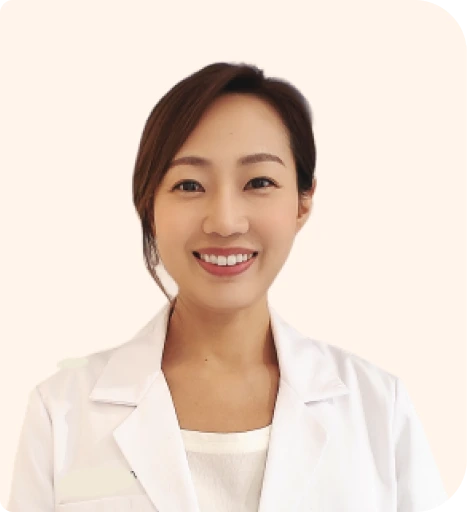

Physician & Founder
Dr. Choi founded I Grow Clinic in 2021 to provide specialized growth care for children with idiopathic short stature. She’s passionate about helping each child reach their full potential through safe, science-based treatments and compassionate care.
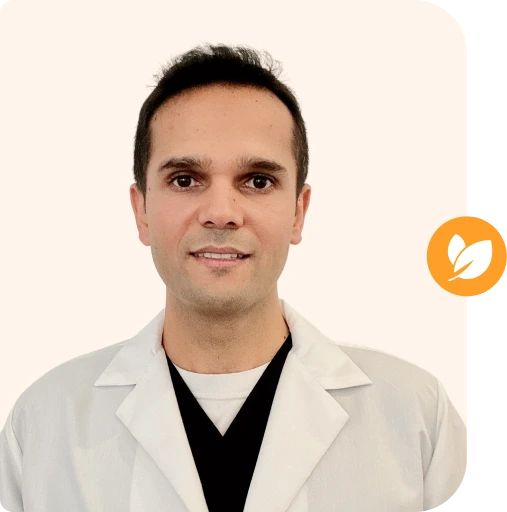
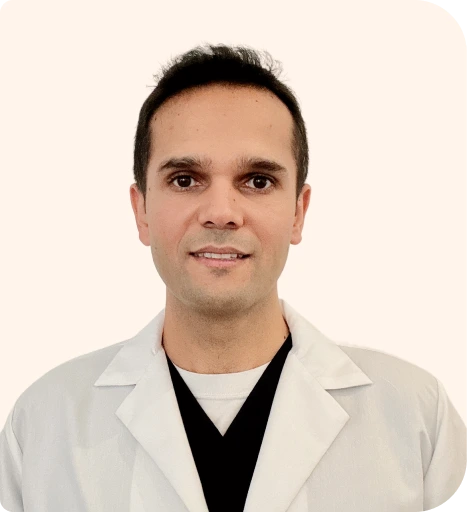
Physician
Dr. Khawar is a board-certified rheumatologist and internist with over 20 years of diverse clinical experience. Drawing on his deep understanding of hormonal, musculoskeletal, and metabolic health, Dr. Khawar brings a unique perspective to growth hormone treatment for children. As an Assistant Professor of Medicine at both Loma Linda University and UC Riverside, he is dedicated to evidence-based, compassionate care-helping each child reach their full growth potential in a safe and supportive environment.
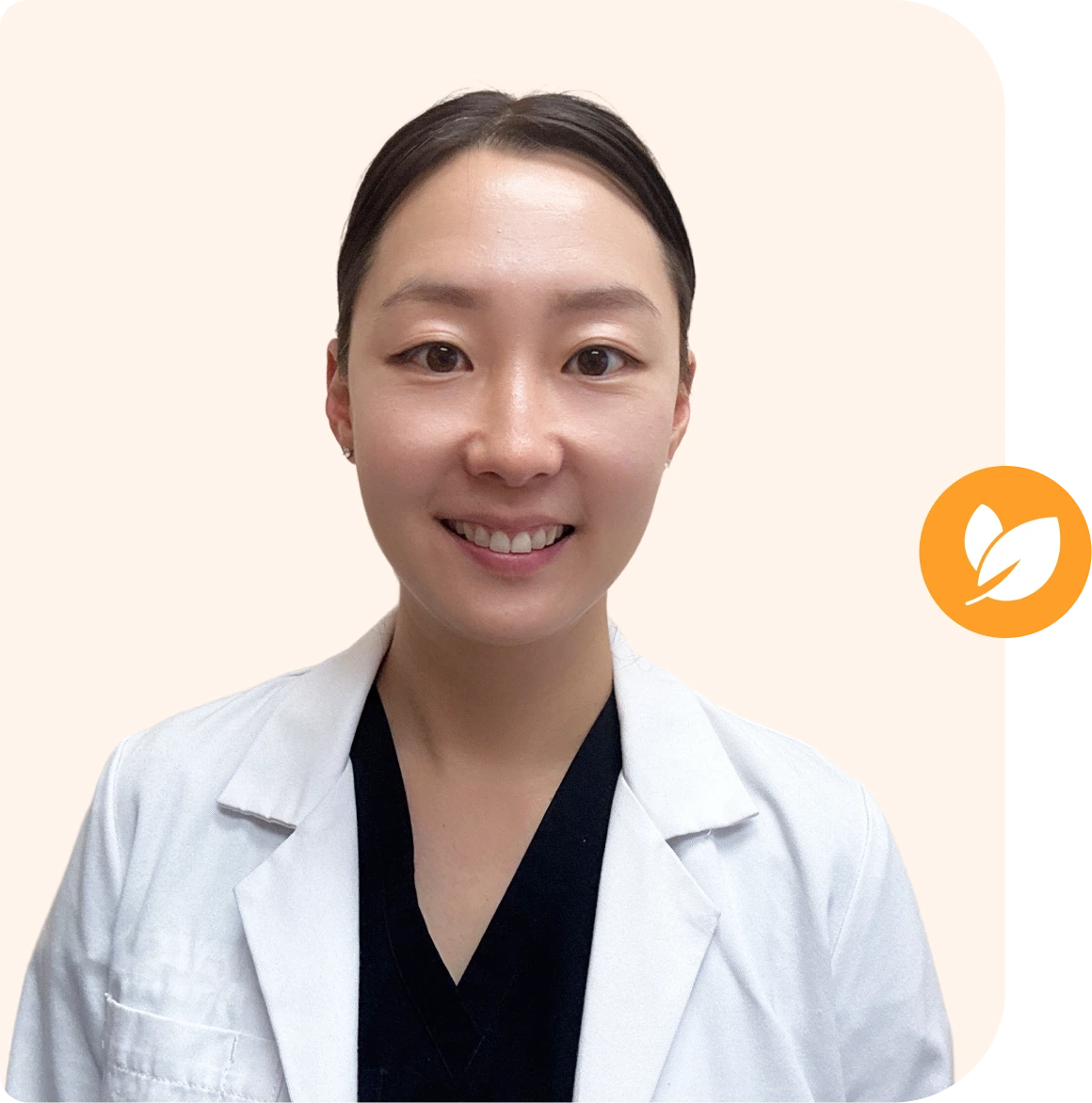
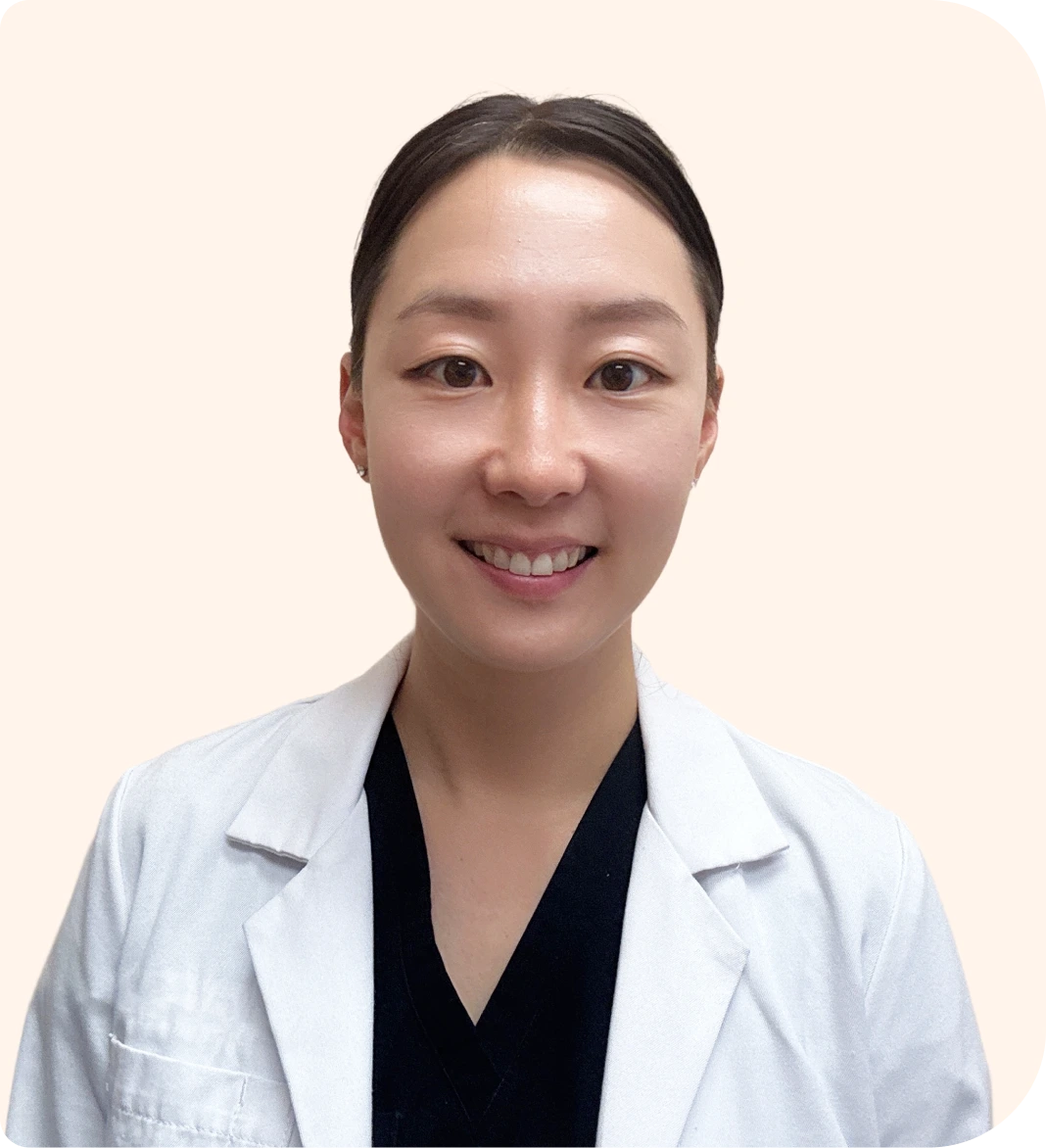
Nurse Practitioner
Nurse Practitioner Sunjo brings extensive clinical experience and deep expertise in patient-centered care, clinical assessment, and wellness-focused treatment. She is dedicated to enhancing patients’ health, vitality, and overall quality of life, consistently applying her knowledge and skills with care. In particular, she is committed to creating healthier and more positive outcomes through personalized approaches in the rapidly evolving field of growth hormone therapy.
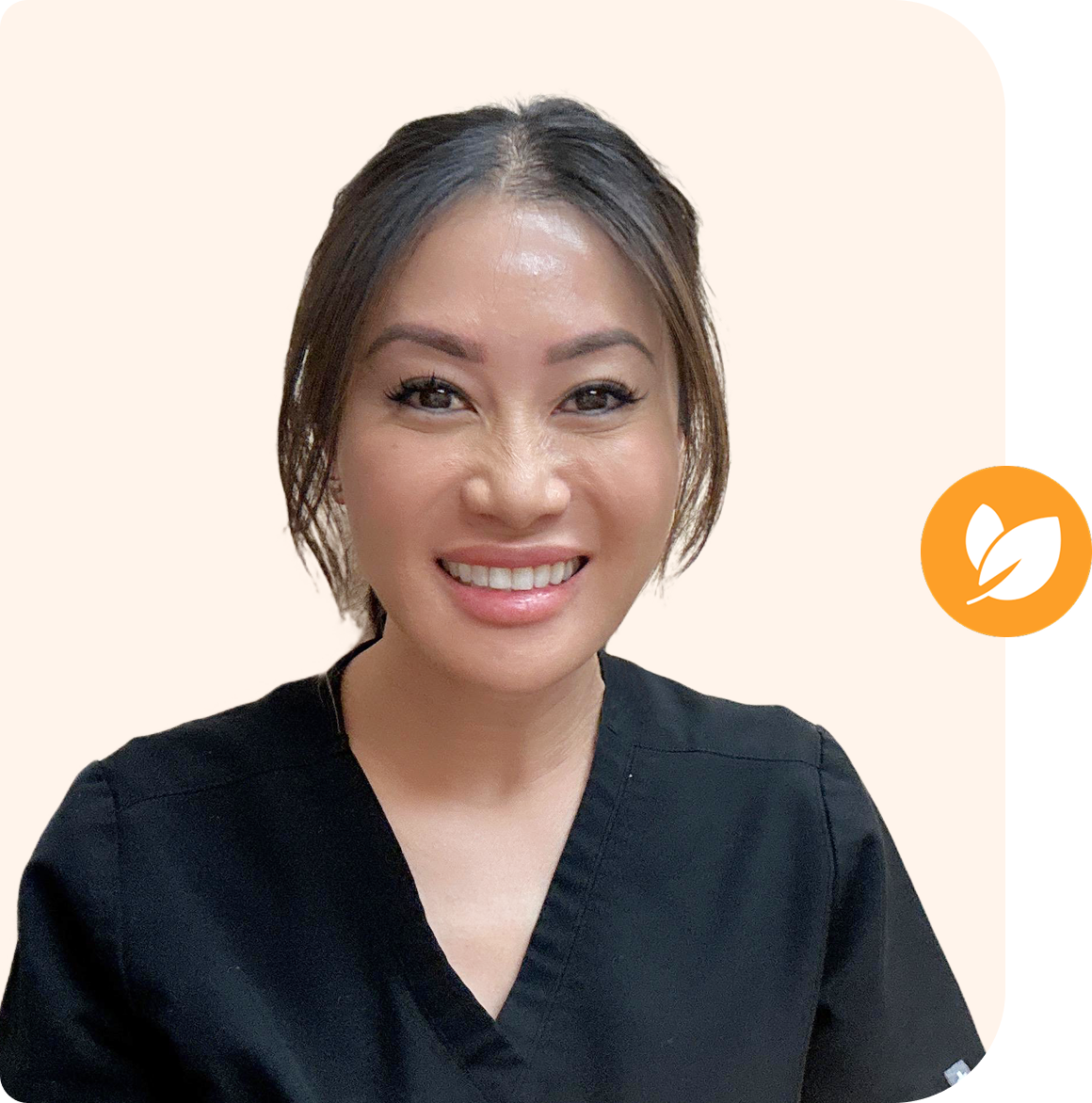
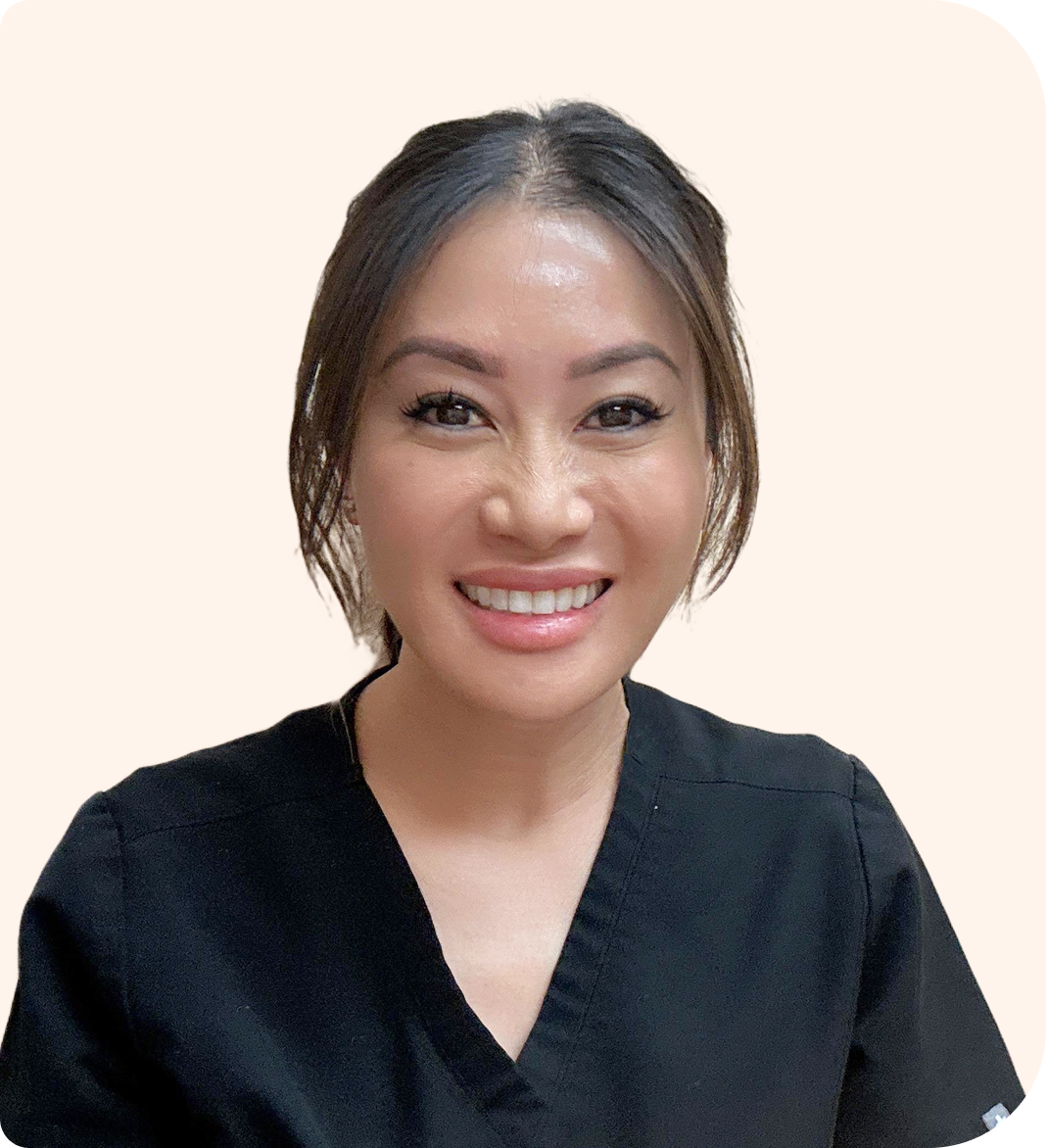
Nurse Practitioner
With a steady and experienced hand, Jenny guides families through the journey of growth hormone care. She excels at making complex information clear for parents, while her reassuring approach puts children at ease, making every visit a positive experience.
Nurse Practitioner
With over 13 years of experience in pediatric health, Yuri combines sharp clinical judgment with a natural gift for connecting with families. She listens closely, explains things clearly, and helps parents feel truly confident in every decision about their child’s growth journey.

Physician & Founder
Physician
Nurse Practitioner
Ina Poong
Office Manager
Esther Ahn
Office Manager
Minnie Lee, RN BSN
Registered Nurse
Eliana Kim
Front Desk Staff
Kim
Front Desk Staff
Emily Chiang
Front Desk Staff
Karyn How
Front Desk Staff
Yeeun Jun
Front Desk Staff
Ina Poong
Office manager
Esther Ahn
Office manager
Hailey Nguyen
Front Desk Staff
Eliana Kim
Front Desk Staff
Kim
Front Desk Staff
Nadia De La Riva
Front Desk Staff
Emily Chiang
Front Desk Staff
Karyn How
Front Desk Staff
Jane Palahang
Front Desk Staff



At I Grow Clinic, we help every TX child reach their
full growth potential through personalized care
Recombinant human growth hormone (rhGH) has been FDA-approved since 1985 after extensive research confirmed its safety and benefits. For decades, growth hormone therapy has safely helped children reach their full growth potential. Studies and leading endocrine societies confirm no long-term side effects when treatment is properly prescribed and monitored.
Before treatment, each child receives a full medical evaluation to ensure safety and suitability.
Our evaluation includes:
Laboratory testing to review hormone and metabolic health
Growth-plate X-ray assessment to confirm bone maturity and suitability for treatment
Throughout treatment, our physicians provide:
Individualized treatment plans with carefully monitored dosing
Regular growth assessments to track progress
Follow-up care, which includes:
Regular blood tests to track hormone levels and response
X-rays to assess bone growth and maturity
Telehealth or in-person visits to review and adjust treatment
Every step of your child’s care at I Grow Clinic is guided by medical expertise, evidence-based practice, and
compassionate care, helping each child in Texas grow safely, confidently, and to their fullest potential.

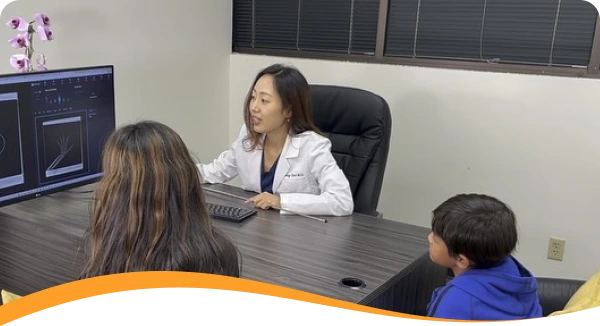
Using advanced AI software, we compare your child’s bone age with their chronological age to estimate their remaining growth potential and predict their final height.

Our Provider will review the results with you, explain any differences between bone age and actual age, and discuss whether additional steps are recommended.

RESULTS THAT SPEAK FOR THEMSELVES
in 9 months
in 12 months
Over 2000 Satisfied Families
Completely satisfied

Highly recommended
Love Dr. Choi! She is so patient and answers all our questions. We have witnessed a height increase by 5.1cm in our child in the past 6 months and are so excited for continued growth. Highly recommend Dr. Choi!
Thrilled with the results
Beyond satisfied
Happy With the Improvement
Stephanie L.
Very pleased with the progress
I highly recommend I Grow Clinic if you are concerned about your child’s height. I have a daughter who was not short at all, but still attended an oriental clinic regularly for multiple reasons. One day, they tested her growth plate and told me her bone growth was not enough for her age. This could result in her being shorter than average later. ... I started searching for what this meant, and I found out that the age of bone was the key for growth and height. However, they didn’t tell me about the age. I googled and came across I Grow Clinic. Luckily, they provided the age of the bone growth and detailed treatments. My daughter received a growth treatment at I Grow Clinic with Dr. Sung. My whole family is satisfied with the result. She is 18 cm taller than her first visit during 21 months. Thank you Dr. Sung and I Grow Clinic staff.
Read more Completely satisfied
Dr Choi is very detail-oriented. She monitors lab values to make sure the treatment is safe. The clinic is pediatric friendly. The staff is very nice. My child is growing and the treatment is effective. We are completely satisfied with I Grow Clinic.
Highly recommended
Thrilled with the results
Beyond satisfied
My son has been having growth hormone treatment for 18 months, and his height has increased by 8.47 inches. His height percentile among children of the same age has improved from 58% to 93.7%. My son and I are very satisfied with the results and plan to continue this treatment for as long as possible. We are so thankful to Igrow Clinic.
Happy With the Improvement
Stephanie L.
Very pleased with the progress
I highly recommend I Grow Clinic if you are concerned about your child’s height. I have a daughter who was not short at all, but still attended an oriental clinic regularly for multiple reasons. One day, they tested her growth plate and told me her bone growth was not enough for her age. This could result in her being shorter than average later. ... I started searching for what this meant, and I found out that the age of bone was the key for growth and height. However, they didn’t tell me about the age. I googled and came across I Grow Clinic. Luckily, they provided the age of the bone growth and detailed treatments. My daughter received a growth treatment at I Grow Clinic with Dr. Sung. My whole family is satisfied with the result. She is 18 cm taller than her first visit during 21 months. Thank you Dr. Sung and I Grow Clinic staff.
Read more 
In-Person Visits at our
Fullerton clinic

Virtual Appointments
Specially for TX residents for convenient, at-home evaluations
and follow-ups
The medication is self‑injected six times a week at nighttime, under the skin with a very thin needle. Families receive detailed education, video training, and in‑home nurse support when treatment begins.
The growth hormone treatment is known to be quite safe. Serious side effects are very rare in children without underlying diseases. Temporary pain and itching at the injection site may occur. During the initial stages of treatment, temporary flu-like symptoms, hypothyroidism, swelling, and headaches can also occur, although these are still rare. The dosage of medication may be adjusted with close monitoring to manage these side effects.
SCFE (Slipped Capital Femoral Epiphysis) is very rare but can occur in boys with severe obesity (BMI ≥ 29), particularly during periods of rapid growth. Additionally, if children already have scoliosis, the curvature may worsen during their rapid growth. Therefore, it is crucial to maintain an appropriate growth rate, avoid excessive weight gain, and closely follow up with the prescribing physician throughout growth hormone treatment.
Human growth hormone treatment is contraindicated in patients with active cancer, diabetes, thyroid disease, or sleep apnea due to morbid obesity.
Sleep, nutrition, and exercise all play important roles. Children benefit from 9–10 hours of sleep, balanced meals rich in protein and calcium, and daily physical activity such as running or jumping.
Costs depend on dosage, which is determined by weight, age, and growth plate status. Younger children often require lower doses. Health insurance typically does not cover hGH treatment when there are no medical diseases significantly affecting a child’s growth. The exact cost is determined after the initial consultation, based on your child’s growth plate exam and individualized treatment plan.
Eligibility is determined after the initial consultation. In insurance-covered cases, a diagnosed medical condition is usually required for approval. However, in self-pay cases, treatment is not limited to children with a medical disease. The key factor is whether the growth plates in the arms and legs remain open, showing sufficient growth potential. Through X-ray evaluation and consultation, our medical specialists determine who is most likely to respond effectively to growth hormone therapy.
Duration varies by child and depends on factors such as growth plate status, age, and stage of puberty. Progress is reviewed every six months to determine whether to continue treatment.
A monthly online check-in is required to review your child’s height and weight. Measurements should be taken accurately at home and reported to the clinic. Blood tests are performed every six months for ongoing monitoring, and hand X-rays to assess bone age are done every 6 to 12 months, depending on growth plate status.
Yes we can treat your child with our telehealth services in TX for adelecent growth treatments. Please contact us for details specific to your location.
Every child responds differently. Some show rapid improvement in growth velocity, while others progress more gradually. Our role is to monitor carefully and provide realistic guidance without promising specific outcomes.
Let’s Support Your
Child’s Growth Together
We’re here to support your child’s growth journey every step of the way.
Texas, whose name comes from the Caddo word “tejas” meaning “friends” or “allies,” is a state with a unique and proud history. Its enduring nickname, the “Lone Star State,” comes from the single star on its flag, a symbol of its one-time status as an independent republic.
A History of Independence: Before Europeans arrived, the area was home to diverse Native American cultures. It was later colonized by Spain and then became part of Mexico after Mexico won its independence in 1821. Growing tensions between the Mexican government and American settlers, particularly over issues like slavery, led to the Texas Revolution. After a famous stand at the Alamo, Texas won its independence in 1836 and became its own nation, the Republic of Texas, for nearly a decade before joining the United States in 1845 as the 28th state.
Government and People: The state capital is Austin, a vibrant and fast-growing city. Texas has a distinctive political culture and operates under a constitution adopted in 1876. Its executive branch features several elected officials, including a governor, lieutenant governor, and attorney general. With a population of over 30 million, it is the second-most populous state in the U.S..
Vast and Varied Geography: As the second-largest state in the U.S. (after Alaska), Texas covers over 268,000 square miles. Its landscape is incredibly diverse, ranging from the piney woods of East Texas and the sprawling Gulf Coast shoreline to the rolling hills of the Texas Hill Country and the desert mountains of West Texas.
A Modern Economic Powerhouse: Texas is famous for its cattle and oil industries, but its modern economy is remarkably diverse. It’s a national leader in technology, aerospace, healthcare, and agriculture. Major cities like Houston (the energy capital of the world), Dallas-Fort Worth (a major tech and commerce hub), and Austin (a center for technology) drive this growth.
To give you a sense of the state’s largest urban centers, here is a list of its most populous cities based on 2023 population estimates:
| 2023 Rank | Municipality | 2023 Population Estimate |
|---|---|---|
| 1 | Houston | 2,314,157 |
| 2 | San Antonio | 1,495,295 |
| 3 | Dallas | 1,302,868 |
| 4 | Austin | 979,882 |
| 5 | Fort Worth | 978,468 |
| 6 | El Paso | 678,958 |
| 7 | Arlington | 398,431 |
| 8 | Corpus Christi | 316,595 |
| 9 | Plano | 290,190 |
| 10 | Lubbock | 266,878 |
| 11 | Laredo | 257,602 |
| 12 | Irving | 254,373 |
| 13 | Garland | 243,470 |
| 14 | Frisco | 225,007 |
| 15 | McKinney | 213,509 |
this overview gives you a great starting point for exploring the Lone Star State.
Adolescence is a period of rapid physical development, but for some children, this natural process requires medical support. Growth treatments in Texas address conditions ranging from hormone deficiencies to skeletal deformities, offering families a path forward. Understanding these options—the benefits, the reasons to pursue them, what they involve, and their costs—can help parents make informed decisions for their children.
Growth treatments encompass medical interventions designed to address conditions affecting a child’s physical development. These typically fall into two main categories: endocrine treatments for hormone-related growth disorders and orthopedic procedures for structural bone issues.
Pediatric endocrinologists are the specialists who diagnose and treat growth hormone deficiencies and related conditions. In Texas, families have access to experienced specialists like Sung S. Choi, MD, who treats conditions including short stature and growth hormone deficiency, and Talha Khawar, MD, RhMSUS, who has over 20 years of experience in pediatric endocrinology . These specialists work within major medical centers and there own clinic IGrow Clinic in Fullerton CA.
For children diagnosed with growth hormone deficiency, synthetic growth hormone therapy can be life-changing. The benefits extend beyond increased height to include improved metabolism, stronger bones, and enhanced quality of life. Research has shown that children receiving growth hormone treatment demonstrate better cognitive functioning and health-related quality of life compared to untreated peers .
The treatment involves daily injections and requires careful monitoring by a pediatric endocrinologist. Success depends on starting treatment while growth plates remain open, making early diagnosis crucial.
A significant advancement in growth treatment is Voxzogo (vosoritide), approved for children aged two and older with achondroplasia, the most common form of dwarfism . This daily injection works by promoting bone growth and can increase annual growth velocity.
The benefits are substantial—children receiving this treatment can achieve greater height potential while maintaining normal body proportions. However, the medication requires strict adherence to treatment protocols and regular monitoring by specialists .
For children with leg length discrepancies or angular bone deformities, guided growth techniques offer a minimally invasive solution. This approach uses tension band plating—often called “eight-plates”—to temporarily restrict growth on the longer side or correct angular deformities .
The primary benefit is the ability to correct deformities without osteotomies (cutting bone), and importantly, the procedure is reversible. When the child reaches skeletal maturity, the hardware can be removed, and growth resumes normally .
The decision to pursue growth treatment often stems from medical necessity rather than cosmetic concerns. Growth hormone deficiency can affect cardiovascular health, bone density, and metabolic function. Leg length discrepancies can lead to chronic pain, gait abnormalities, and early arthritis if untreated .
There are also psychosocial considerations. Children with untreated growth disorders may experience bullying, social isolation, and diminished self-esteem. Growth treatments can help children develop within the normal range, supporting their emotional and social development alongside physical health.
The journey begins with a comprehensive evaluation by a pediatric specialist. This typically includes:
Bone age X-rays to determine remaining growth potential
Genetic testing for conditions like achondroplasia
Growth hormone stimulation tests
Standing X-rays for scoliosis assessment
Regular monitoring of growth velocity over six months or more
Hormonal treatments require daily injections at home, with regular follow-up appointments to adjust dosages and monitor progress. Families receive extensive training from specialty pharmacies like CVS Specialty, which provides injection training and 24/7 pharmacist support .
Post-treatment care includes regular follow-up appointments every four to six months to monitor progress and adjust treatment. For bracing, this involves checking fit and compliance; for surgical treatments, it involves X-rays to assess correction progress .
Growth treatments represent significant financial investments, but multiple avenues exist to manage costs.
though actual out-of-pocket costs are typically much lower with insurance coverage . Growth hormone therapy similarly ranges from $10,000 to $60,000 annually depending on dosage requirements.
Most commercial insurance plans in Texas cover growth treatments when medical necessity is established. Coverage requires prior authorization with extensive documentation including:
Genetic confirmation of diagnosis
Bone age X-rays showing open growth plates
Six months of growth data
Specialist consultation notes
Texas law provides important consumer protections. When prior authorization is denied, families have the right to internal appeals within 180 days of the denial letter, and if unsuccessful, can pursue external review through an Independent Review Organization (IRO), which makes binding decisions on insurers .
Pending legislation, House Bill 412, aims to expand coverage for early childhood intervention services including physical and occupational therapy, with an effective date of January 2026 . This could improve access to rehabilitative services for children with developmental conditions.
Several resources help Texas families manage costs:
BioMarin RareConnections: Offers co-pay assistance, coverage navigation, and injection training for Voxzogo patients with commercial insurance
Shriners Children’s Texas: Provides care regardless of a family’s ability to pay, as illustrated by Braelee’s family, who lost insurance coverage when her father lost his job
Medicaid and CHIP: Available for eligible Texas families, covering growth treatments with appropriate prior authorization
Choosing growth treatment requires careful consideration of medical necessity, timing, and family resources. The window for treatment is often limited—growth hormone therapy and guided growth procedures are only effective while growth plates remain open, typically until late adolescence.
For families navigating these decisions, Texas offers substantial resources. Medical clinics like IGrow Clinic have care teams that include specialists in pediatric endocrinology and genetics. The expansion of services to suburban locations like Katy, The Woodlands, and North Austin is making specialized care more accessible to families across the state .
Adolescent growth treatments in Texas represent a convergence of medical expertise, technological advancement, and family commitment. From hormone therapy to surgical correction, these interventions offer children the opportunity to develop physically without the limitations of untreated growth disorders.
While costs can be substantial, it is still affordable for many families, Texas families have access to specialized providers, legal protections for insurance coverage, and charitable care options that make treatment possible. The key lies in early evaluation, timely intervention, and partnering with experienced specialists who understand both the medical complexities and the family journey.
For parents concerned about their child’s growth, the first step is consulting a pediatric endocrinologist or pediatric orthopedic specialist. In Texas, these experts are available not only in major medical centers but increasingly in community locations, bringing specialized care closer to the families who need it.