
Unlock Your Child’s
Full Growth Potential

Advanced AI growth
plate evaluation

FDA approved
growth hormone treatment

Personalized
treatment plan

Direct, On-Demand Access
to Your Care Team
Starting Treatment
Starting Treatment
4.5 CM in 6 Months
After Treatment
Starting Treatment
Starting Treatment
8.5 CM in 12 Months
After Treatment
Starting Treatment
Starting Treatment
10 CM in 12 Months
After Treatment
Starting Treatment
Starting Treatment
15 CM in 18 Months
After Treatment
Grew 4.6 inches in 12 months
Grew 6.7 inches in 18 months
Grew 6.54 inches in 18 months
Grew 7.2 inches in 18 months



Physician & Founder
Dr. Choi founded I Grow Clinic in 2021 to provide specialized growth care for children with idiopathic short stature. She’s passionate about helping each child reach their full potential through safe, science-based treatments and compassionate care.


Physician
Dr. Khawar is a board-certified rheumatologist and internist with over 20 years of diverse clinical experience. Drawing on his deep understanding of hormonal, musculoskeletal, and metabolic health, Dr. Khawar brings a unique perspective to growth hormone treatment for children. As an Assistant Professor of Medicine at both Loma Linda University and UC Riverside, he is dedicated to evidence-based, compassionate care-helping each child reach their full growth potential in a safe and supportive environment.
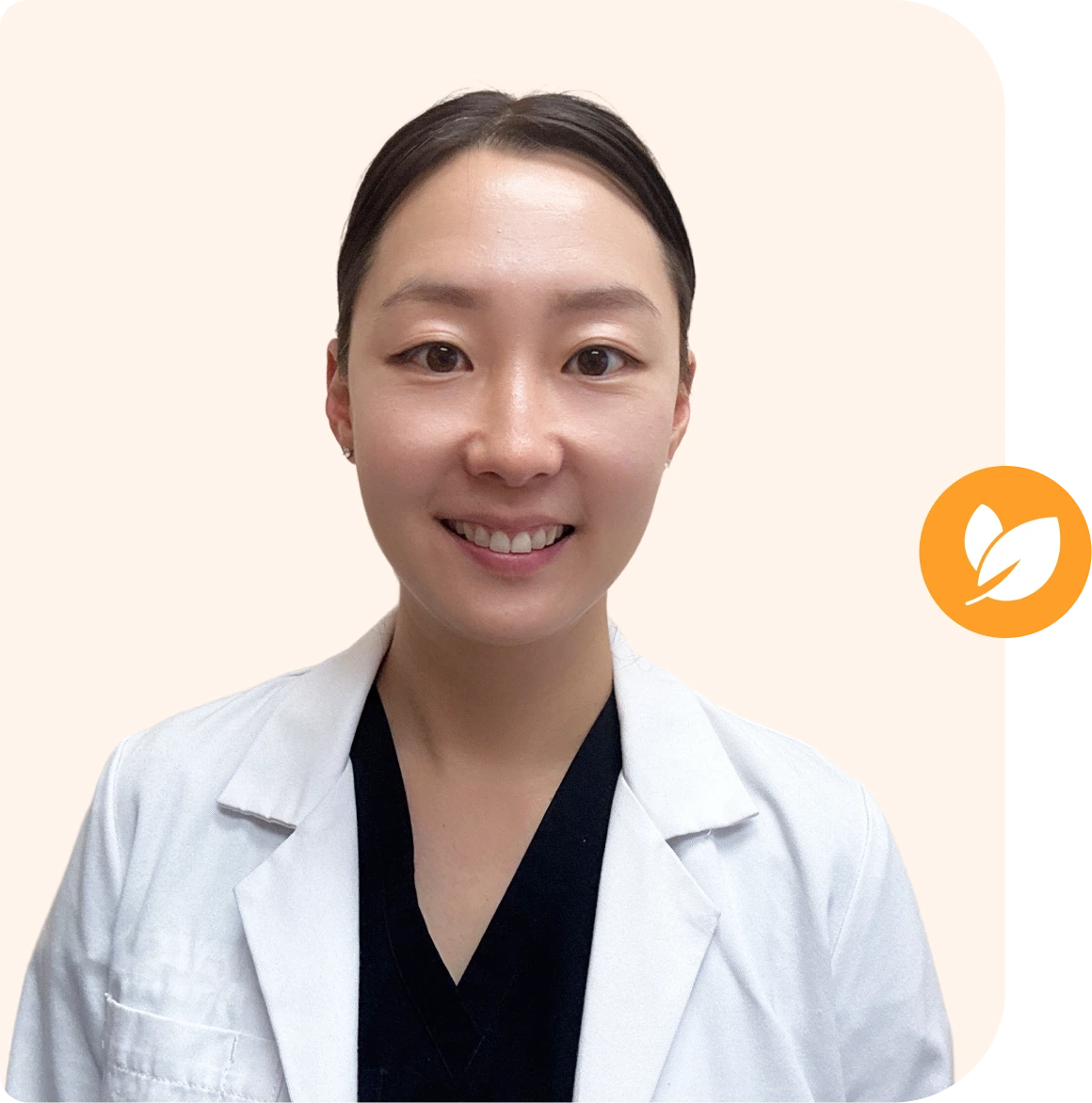

Nurse Practitioner
Nurse Practitioner Sunjo brings extensive clinical experience and deep expertise in patient-centered care, clinical assessment, and wellness-focused treatment. She is dedicated to enhancing patients’ health, vitality, and overall quality of life, consistently applying her knowledge and skills with care. In particular, she is committed to creating healthier and more positive outcomes through personalized approaches in the rapidly evolving field of growth hormone therapy.
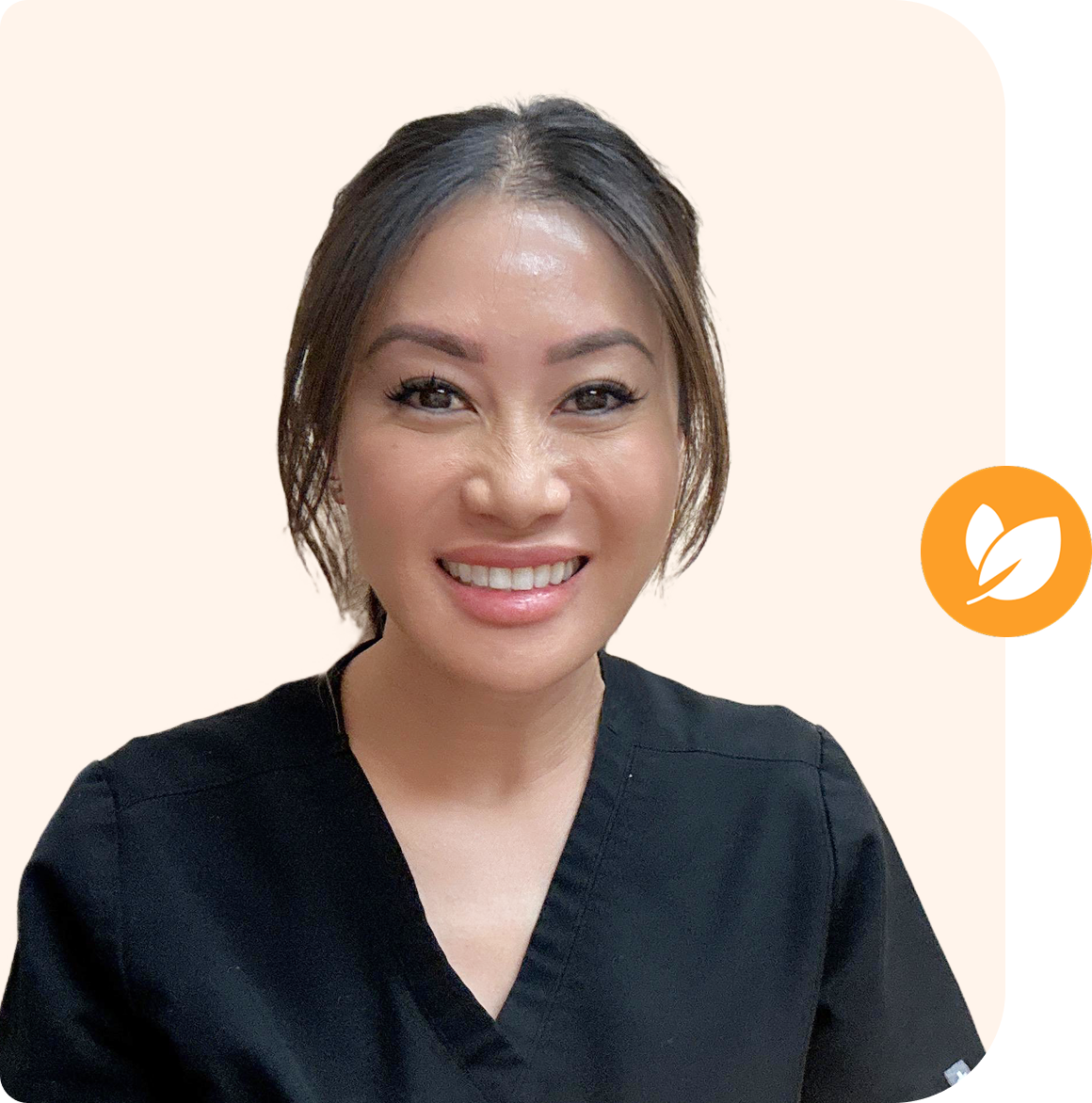

Nurse Practitioner
With a steady and experienced hand, Jenny guides families through the journey of growth hormone care. She excels at making complex information clear for parents, while her reassuring approach puts children at ease, making every visit a positive experience.
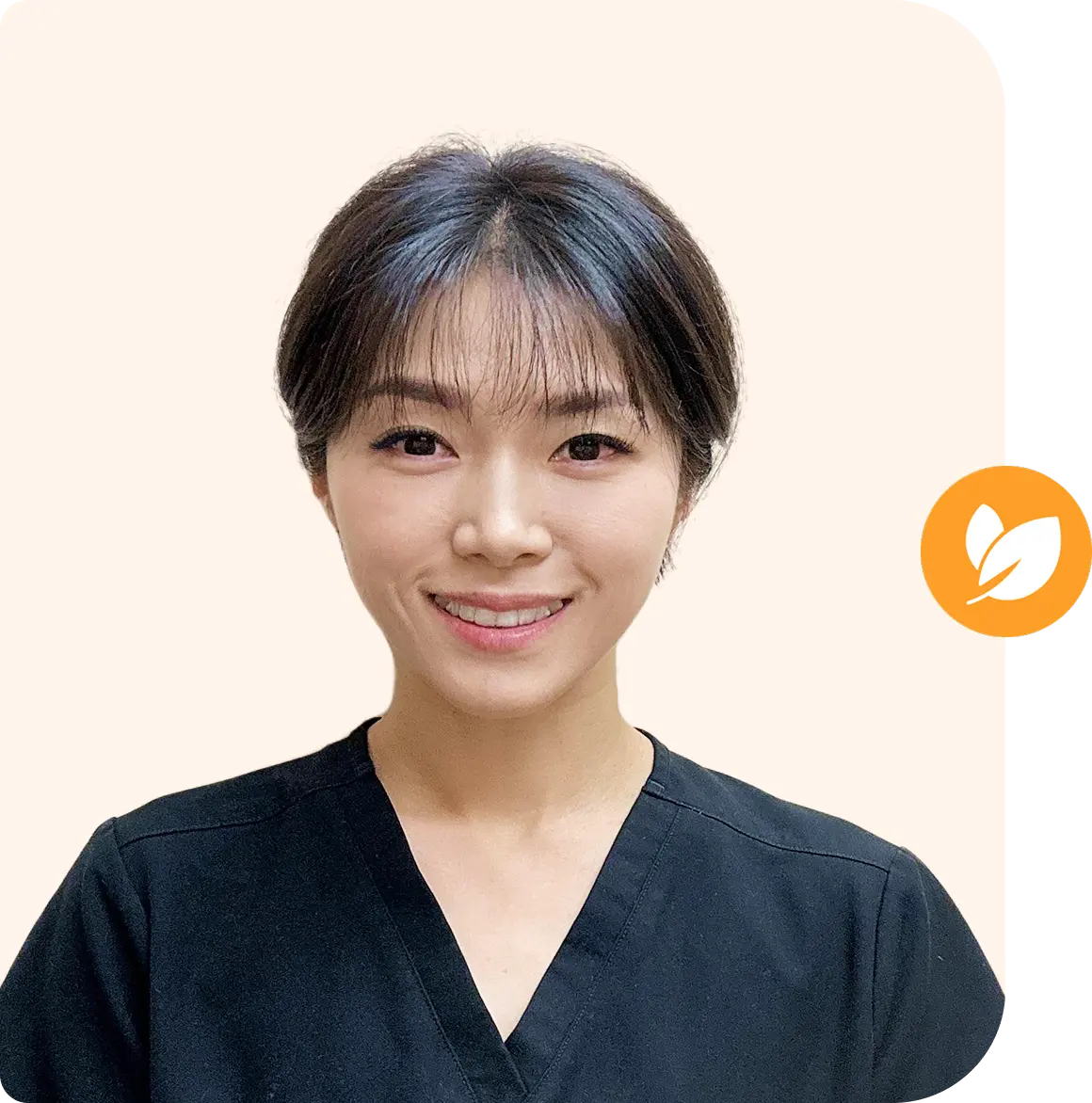
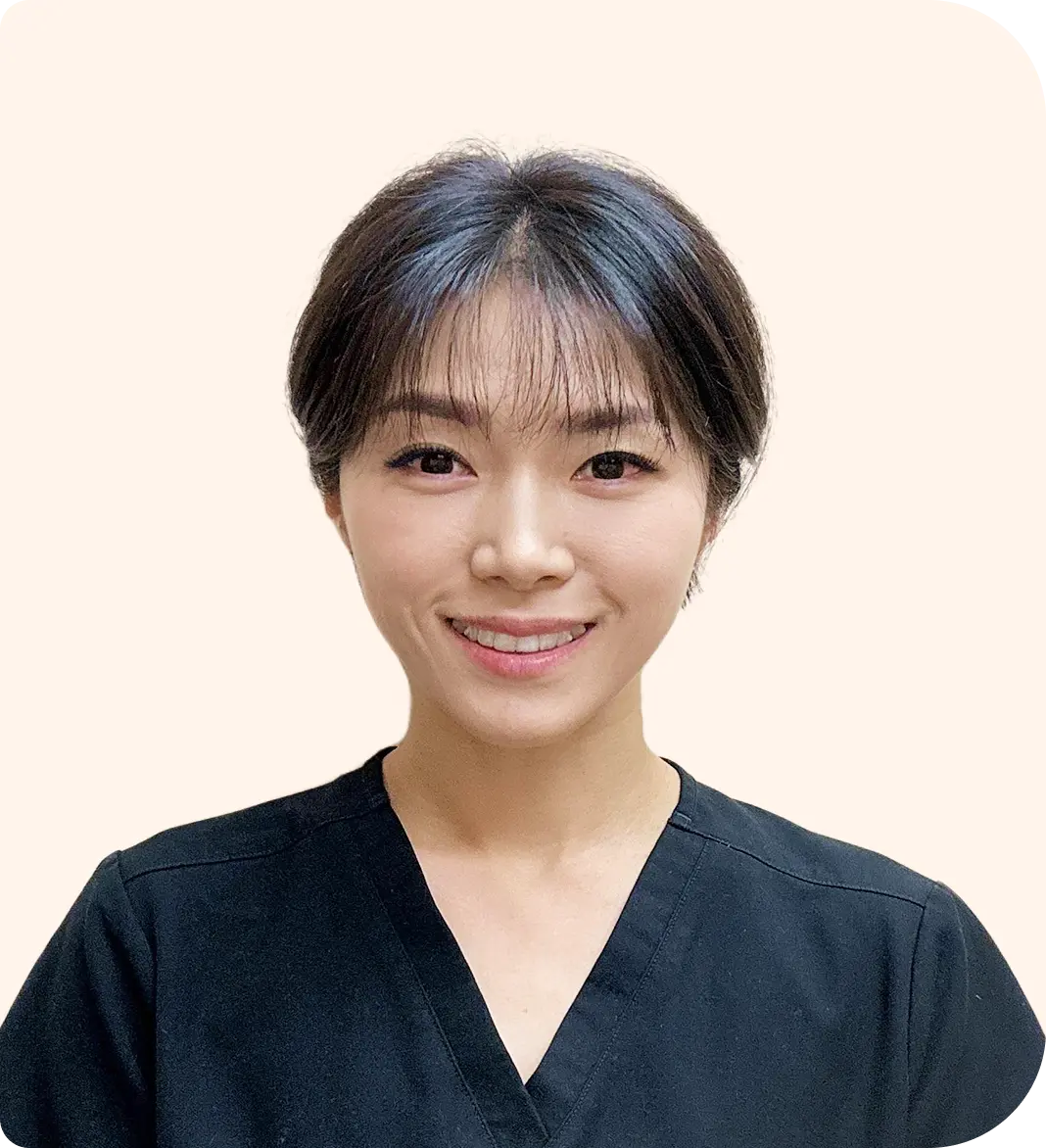
Nurse Practitioner
With over 13 years of experience in pediatric health, Yuri combines sharp clinical judgment with a natural gift for connecting with families. She listens closely, explains things clearly, and helps parents feel truly confident in every decision about their child’s growth journey.

Physician & Founder
Physician
Nurse Practitioner
Ina Poong
Office Manager
Esther Ahn
Office Manager
Minnie Lee, RN BSN
Registered Nurse
Eliana Kim
Front Desk Staff
Kim
Front Desk Staff
Emily Chiang
Front Desk Staff
Karyn How
Front Desk Staff
Yeeun Jun
Front Desk Staff
Ina Poong
Office manager
Esther Ahn
Office manager
Hailey Nguyen
Front Desk Staff
Eliana Kim
Front Desk Staff
Kim
Front Desk Staff
Nadia De La Riva
Front Desk Staff
Emily Chiang
Front Desk Staff
Karyn How
Front Desk Staff
Jane Palahang
Front Desk Staff



At I Grow Clinic, we help every WA child reach their
full growth potential through personalized care
Recombinant human growth hormone (rhGH) has been FDA-approved since 1985 after extensive research confirmed its safety and benefits. For decades, growth hormone therapy has safely helped children reach their full growth potential. Studies and leading endocrine societies confirm no long-term side effects when treatment is properly prescribed and monitored.
Before treatment, each child receives a full medical evaluation to ensure safety and suitability.
Our evaluation includes:
Laboratory testing to review hormone and metabolic health
Growth-plate X-ray assessment to confirm bone maturity and suitability for treatment
Throughout treatment, our physicians provide:
Individualized treatment plans with carefully monitored dosing
Regular growth assessments to track progress
Follow-up care, which includes:
Regular blood tests to track hormone levels and response
X-rays to assess bone growth and maturity
Telehealth or in-person visits to review and adjust treatment
Every step of your child’s care at I Grow Clinic is guided by medical expertise, evidence-based practice, and
compassionate care, helping each child in Washington State grow safely, confidently, and to their fullest potential.

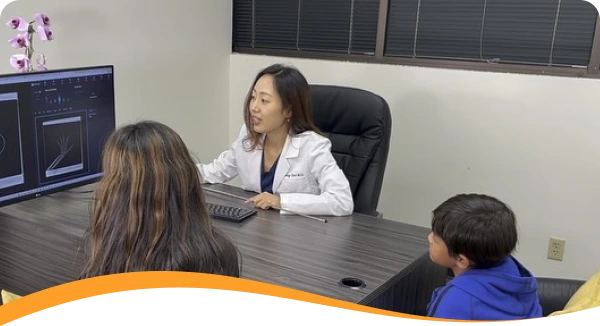
Using advanced AI software, we compare your child’s bone age with their chronological age to estimate their remaining growth potential and predict their final height.

Our Provider will review the results with you, explain any differences between bone age and actual age, and discuss whether additional steps are recommended.

RESULTS THAT SPEAK FOR THEMSELVES
in 9 months
in 12 months
Over 2000 Satisfied Families
Completely satisfied

Highly recommended
Love Dr. Choi! She is so patient and answers all our questions. We have witnessed a height increase by 5.1cm in our child in the past 6 months and are so excited for continued growth. Highly recommend Dr. Choi!
Thrilled with the results
Beyond satisfied
Happy With the Improvement
Stephanie L.
Very pleased with the progress
I highly recommend I Grow Clinic if you are concerned about your child’s height. I have a daughter who was not short at all, but still attended an oriental clinic regularly for multiple reasons. One day, they tested her growth plate and told me her bone growth was not enough for her age. This could result in her being shorter than average later. ... I started searching for what this meant, and I found out that the age of bone was the key for growth and height. However, they didn’t tell me about the age. I googled and came across I Grow Clinic. Luckily, they provided the age of the bone growth and detailed treatments. My daughter received a growth treatment at I Grow Clinic with Dr. Sung. My whole family is satisfied with the result. She is 18 cm taller than her first visit during 21 months. Thank you Dr. Sung and I Grow Clinic staff.
Read more Completely satisfied
Dr Choi is very detail-oriented. She monitors lab values to make sure the treatment is safe. The clinic is pediatric friendly. The staff is very nice. My child is growing and the treatment is effective. We are completely satisfied with I Grow Clinic.
Highly recommended
Thrilled with the results
Beyond satisfied
My son has been having growth hormone treatment for 18 months, and his height has increased by 8.47 inches. His height percentile among children of the same age has improved from 58% to 93.7%. My son and I are very satisfied with the results and plan to continue this treatment for as long as possible. We are so thankful to Igrow Clinic.
Happy With the Improvement
Stephanie L.
Very pleased with the progress
I highly recommend I Grow Clinic if you are concerned about your child’s height. I have a daughter who was not short at all, but still attended an oriental clinic regularly for multiple reasons. One day, they tested her growth plate and told me her bone growth was not enough for her age. This could result in her being shorter than average later. ... I started searching for what this meant, and I found out that the age of bone was the key for growth and height. However, they didn’t tell me about the age. I googled and came across I Grow Clinic. Luckily, they provided the age of the bone growth and detailed treatments. My daughter received a growth treatment at I Grow Clinic with Dr. Sung. My whole family is satisfied with the result. She is 18 cm taller than her first visit during 21 months. Thank you Dr. Sung and I Grow Clinic staff.
Read more 
In-Person Visits at our
Fullerton clinic

Virtual Appointments
Specially for WA residents for convenient, at-home evaluations
and follow-ups
The medication is self‑injected six times a week at nighttime, under the skin with a very thin needle. Families receive detailed education, video training, and in‑home nurse support when treatment begins.
The growth hormone treatment is known to be quite safe. Serious side effects are very rare in children without underlying diseases. Temporary pain and itching at the injection site may occur. During the initial stages of treatment, temporary flu-like symptoms, hypothyroidism, swelling, and headaches can also occur, although these are still rare. The dosage of medication may be adjusted with close monitoring to manage these side effects.
SCFE (Slipped Capital Femoral Epiphysis) is very rare but can occur in boys with severe obesity (BMI ≥ 29), particularly during periods of rapid growth. Additionally, if children already have scoliosis, the curvature may worsen during their rapid growth. Therefore, it is crucial to maintain an appropriate growth rate, avoid excessive weight gain, and closely follow up with the prescribing physician throughout growth hormone treatment.
Human growth hormone treatment is contraindicated in patients with active cancer, diabetes, thyroid disease, or sleep apnea due to morbid obesity.
Sleep, nutrition, and exercise all play important roles. Children benefit from 9–10 hours of sleep, balanced meals rich in protein and calcium, and daily physical activity such as running or jumping.
Costs depend on dosage, which is determined by weight, age, and growth plate status. Younger children often require lower doses. Health insurance typically does not cover hGH treatment when there are no medical diseases significantly affecting a child’s growth. The exact cost is determined after the initial consultation, based on your child’s growth plate exam and individualized treatment plan.
Eligibility is determined after the initial consultation. In insurance-covered cases, a diagnosed medical condition is usually required for approval. However, in self-pay cases, treatment is not limited to children with a medical disease. The key factor is whether the growth plates in the arms and legs remain open, showing sufficient growth potential. Through X-ray evaluation and consultation, our medical specialists determine who is most likely to respond effectively to growth hormone therapy.
Duration varies by child and depends on factors such as growth plate status, age, and stage of puberty. Progress is reviewed every six months to determine whether to continue treatment.
A monthly online check-in is required to review your child’s height and weight. Measurements should be taken accurately at home and reported to the clinic. Blood tests are performed every six months for ongoing monitoring, and hand X-rays to assess bone age are done every 6 to 12 months, depending on growth plate status.
Yes we can treat your child with our telehealth services in WA for adelecent growth treatments. Please contact us for details specific to your location.
Every child responds differently. Some show rapid improvement in growth velocity, while others progress more gradually. Our role is to monitor carefully and provide realistic guidance without promising specific outcomes.
Let’s Support Your
Child’s Growth Together
We’re here to support your child’s growth journey every step of the way.
Washington State, known as the “Evergreen State,” offers a remarkable tapestry of communities that reflect its diverse geography, rich history, and dynamic growth. From the bustling streets of Seattle to the quiet rural towns of the Palouse, Washington’s 281 incorporated municipalities tell the story of a state shaped by natural forces, pioneer spirit, and technological innovation . Understanding this municipal landscape provides insight into one of America’s most economically and culturally significant states.
Washington State is divided into 39 counties and contains 281 incorporated municipalities, classified into cities and towns . Approximately 65.4% of the state’s population lives within these incorporated areas . The state has a unique classification system: municipalities are designated as code cities, first-class cities, second-class cities, or towns, with each classification carrying specific powers and limitations defined by state laws .
The most populous municipality is Seattle with 737,015 residents, while the least populous is Krupp with just 49 residents . Seattle also claims the title of largest municipality by land area at 83.83 square miles, while Beaux Arts Village holds the distinction of being the smallest, covering only 0.08 square miles .
Washington has a distinctive system for classifying its municipalities, unlike many other states .
Created by the state legislature in 1967, code cities represent the most common classification in Washington . These municipalities were designed to grant greater home rule authority, allowing them to address complex urban issues more flexibly. Any area with at least 1,500 residents can incorporate as a code city, and code cities with populations exceeding 10,000 may adopt their own charters .
First-class cities are permitted to adopt and operate under a home rule charter and must have had at least 10,000 residents at the time of their incorporation or reorganization . These include Washington’s major urban centers like Seattle, Spokane, and Tacoma.
These cities have limited authority and can only exercise powers specifically granted by the state legislature. They were required to have at least 1,500 residents at the time of incorporation .
Towns also operate under limited authority and historically had fewer than 1,500 residents at incorporation. In 1994, the state legislature raised the minimum population for incorporation from 300 to 1,500, effectively preventing the creation of new towns .
One municipality—Waitsburg in Walla Walla County—remains unclassified, continuing to operate under its original 1881 territorial charter .
The oldest municipality in Washington is Steilacoom, incorporated in 1854 . The region’s earliest non-Native settlements began with fur traders and missionaries in the 1830s and 1840s. The Whitman massacre of 1847 near present-day Walla Walla marked a tragic turning point in relations between settlers and Native tribes .
Washington Territory was established in 1853, carved out of Oregon Territory and named after President George Washington by an act of Congress . The territory’s growth accelerated with the passage of the Homestead Act in 1862 and the discovery of gold in 1860, which brought waves of settlers seeking opportunity .
Washington became the 42nd state on November 11, 1889 . The arrival of the Northern Pacific Railroad in Spokane (1881) and Tacoma (1887) transformed these communities into commercial hubs and opened the interior to widespread settlement . The railroad era coincided with a period of rapid incorporation; many of Washington’s cities and towns trace their founding to this boom period.
While Western Washington receives much attention, Eastern Washington has its own distinctive history and identity. The region’s “Cascade Curtain”—a term Eastern Washingtonians use to describe the dividing line of the Cascade Mountain Range—has historically separated two vastly different ways of life within the same state .
Eastern Washington’s growth was fueled by gold rushes in the 1860s that made Walla Walla the largest city in Washington Territory, a distinction it held until the 1880s when Spokane overtook it . Subsequent silver discoveries in the Coeur d’Alene region further cemented Spokane’s position as the dominant city of the Inland Empire. Today, Spokane leads the state in National Historic Register districts and properties, preserving the architectural legacy of its boom-town era .
Washington’s geography creates a profound division between its eastern and western regions, reflected in its settlement patterns and municipal character.
The western strip along the I-5 corridor contains the bulk of Washington’s population . This region, dominated by the Puget Sound—a deep inlet of the Pacific Ocean carved by glaciers—is home to Seattle, Tacoma, Everett, and the state capital, Olympia . The area is characterized by deep fjords, numerous islands, and temperate rainforests.
East of the Cascades, the landscape transforms dramatically. This region was shaped by cataclysmic geologic events: between 17 and 15 million years ago, molten basalt covered the interior; then, during the last ice age, Glacial Lake Missoula broke free in catastrophic floods, carving the channeled scablands and coulees of north-central Washington .
Today, Eastern Washington is defined by:
The Palouse: Rolling hills formed by loess dunes in the southeast corner, now a premier wheat-growing region
The Columbia River: The defining waterway of the region, with 29 dams on the Columbia-Snake system producing 70 percent of the region’s power
Major cities: Spokane (the region’s dominant city), Walla Walla (historic pioneer and wine center), and agricultural hubs like Wenatchee and Yakima
The state’s largest city, Seattle was founded in 1852 and grew rapidly as a timber and shipping port . Today, it serves as the economic and cultural heart of the Pacific Northwest, home to global corporations including Amazon and Microsoft .
Regularly first in the state for National Historic Register districts, Spokane preserves the architectural legacy of its turn-of-the-century boom years . After a devastating fire in 1889, city leaders—newly enriched by railroads and mining—rebuilt downtown with renaissance-style banks, hotels, and department stores adorned with Italian terracotta .
Tacoma’s growth was propelled by the arrival of the Northern Pacific Railroad in 1887, making it a major port and industrial center .
Richland, Pasco, and Kennewick—collectively known as the Tri-Cities—grew from agricultural roots into a center for scientific research, anchored by the Hanford nuclear site.
One of Washington’s oldest non-Native settlements, Vancouver (founded as Fort Vancouver by the Hudson’s Bay Company) served as the regional headquarters of the fur trade and remains a significant city in Clark County .
Washington’s municipalities reflect a diverse and dynamic economy :
Aerospace: Everett is home to the Boeing Commercial Airplane production facility, the largest building in the world by volume
Technology: Redmond hosts Microsoft headquarters; Seattle and Bellevue have become major tech hubs
Agriculture: Eastern Washington cities like Wenatchee (the “Apple Capital of the World”), Yakima, and Walla Walla anchor the state’s agricultural economy. Washington leads the nation in apple, hop, pear, and sweet cherry production
Wine: Washington ranks third in wine production nationally, with Walla Walla and the Yakima Valley at the center of the industry
Maritime and Trade: Seattle, Tacoma, and Vancouver serve as major ports for trade with Asia
Forestry: Western Washington communities have historically relied on timber, though this industry has diversified in recent decades
Washington’s municipalities reflect significant cultural diversity shaped by waves of immigration . During early statehood, immigrants arrived from England, Ireland, Canada, Sweden, and Norway, with Dutch, Italian, Finnish, Russian, and German communities also establishing themselves. Chinese immigrants came to work the mines and railroads; Japanese immigrants labored on truck farms. World War II brought many African-Americans to Washington’s growing industrial base .
Today, Washington ranks among the wealthiest and most socially liberal states in the country, consistently placing near the top for life expectancy and employment rates .
For those seeking to explore Washington’s municipal history, extensive resources exist:
Washington State Office of Financial Management (OFM): Maintains the official list of all cities and towns with FIPS and GNIS codes
Washington State Department of Transportation: Publishes GIS data on city boundaries and annexations
Washington Digital Archives: The first digital state archive in the United States, located at Eastern Washington University
University of Washington Libraries: Houses the Pacific Northwest Collection, a premier resource for regional history
Washington State Historical Society: Maintains extensive records in Tacoma
Washington’s 281 incorporated municipalities—197 code cities, 10 first-class cities, 5 second-class cities, 68 towns, and one unclassified city—represent a remarkable diversity of communities shaped by geography, history, and economic transformation . From the maritime cities of Puget Sound to the agricultural towns of the Columbia Basin, from the historic mining communities of the Inland Empire to the technology hubs of the Eastside, each municipality contributes to the rich fabric of the Evergreen State.
The most recent municipality to incorporate was Spokane Valley in 2003, while five municipalities have been disincorporated, the most recent being Westlake in 1966 . As Washington continues to grow—its population reached nearly 8 million by 2024—its municipal landscape will undoubtedly continue to evolve
Washington State, with its renowned medical institutions like Seattle Children’s Hospital and Mary Bridge Children’s, offers families exceptional options for addressing childhood growth disorders. From the peptide therapy clinics of Bellevue to the specialized endocrinology services across the Puget Sound region, the Evergreen State provides access to cutting-edge, non-invasive treatments that work with the body’s natural systems. Understanding these options—the benefits, the reasons to pursue them, what treatment involves, and the associated costs—can empower parents to make informed decisions for their children’s growth journey.
Growth disorders affect children in different ways, but they all share one common feature: they interfere with the body’s natural ability to produce or utilize growth hormone effectively. These conditions are diagnosed and managed by pediatric endocrinologists—specialists who focus on hormones and their effects on growth and development.
In Washington, families have access to specialized care through clinics like IGROW Clinic via telehealth which provides comprehensive adolescent care including growth and development support in a confidential, nonjudgmental setting. Their adolescent medicine specialists are trained to address the specific needs of teens navigating the physical and emotional changes of adolescence.
Sermorelin is a synthetic analog of growth hormone-releasing hormone (GHRH), consisting of the biologically active portion of the naturally occurring 44-amino-acid GHRH molecule . This peptide therapy was initially developed to assess growth hormone levels in children, but researchers soon realized its potential for encouraging the body’s natural hormone production .
Unlike direct growth hormone injections, Sermorelin works by signaling the pituitary gland to produce and release growth hormone through the body’s natural pathways . When introduced into the body, Sermorelin binds to specific receptors in the pituitary gland, effectively “switching on” production of growth hormone and allowing the body to create and regulate its own hormones more naturally . This approach preserves the body’s natural feedback loops, allowing regulatory mechanisms to prevent overproduction when hormone levels reach appropriate thresholds .
For children diagnosed with growth hormone deficiency or related growth concerns, Sermorelin therapy offers multiple potential advantages :
Support for healthy metabolism: May help optimize metabolic processes
Encouragement of lean muscle mass: Growth hormone plays a role in muscle repair and development
Possible improvements in energy and mood: Some patients report increased vitality and more balanced mood
Better sleep patterns: Growth hormone release occurs during sleep, and optimized levels may support more restful nights
Enhanced recovery: May assist in faster recovery from physical activity
These potential benefits typically emerge gradually, making consistency and adherence to the treatment plan essential .
Sermorelin is often described as a more “natural” approach to growth support. By encouraging the body to produce its own growth hormone rather than introducing synthetic hormones from outside, it maintains natural pulsatility and works within the body’s built-in safety mechanisms . This makes it an excellent option for families who prefer a conservative approach to hormone optimization.
At Washington clinics like IGrow Clinic remote telehealth program serving Seattle and Tacoma, and the rest of Washington the treatment process follows a structured approach :
Comprehensive Consultation: A detailed discussion of health history, medical conditions, and wellness goals
Potential Lab Testing: Blood tests to evaluate hormone levels and ensure candidacy
Customized Plan: Personalized dosage and frequency recommendations
Administration: Subcutaneous injections, typically prescribed at 0.2 mg to 0.5 mg daily, administered at home each night
Ongoing Monitoring: Regular follow-up appointments to track progress and adjust dosage as needed
Washington clinics offer Sermorelin through simplified monthly subscription models.
Important Note: Insurance coverage for Sermorelin varies. When used off-label for wellness purposes, coverage may not be available. Families should check with their insurance provider to confirm whether partial or full coverage is available .
For a small subset of children with growth disorders, growth hormone therapy is not effective. Severe primary IGF-1 deficiency (SPIGFD) is a condition where the body cannot produce adequate insulin-like growth factor (IGF-1) despite normal or elevated growth hormone levels. These children do not respond to growth hormone therapy because the problem lies downstream in the growth hormone/IGF-1 axis.
Increlex (mecasermin) is recombinant IGF-1—essentially replacing the missing growth factor directly. It is FDA-approved for children aged 2 and older with severe primary IGF-1 deficiency who meet strict diagnostic criteria :
Height standard deviation score (SDS) of -3.0 or lower
IGF-1 levels below normal range for age and gender
Normal or elevated growth hormone levels
Open growth plates
For children with confirmed SPIGFD, Increlex enables growth that would otherwise be severely limited. The treatment works by providing the IGF-1 that the body cannot produce, directly supporting bone growth and development .
Increlex treatment requires intensive monitoring due to the risk of hypoglycemia (low blood sugar). The treatment protocol includes:
Twice-daily subcutaneous injections, timed with meals
Blood glucose monitoring before and after injections
Detailed logging of glucose levels and any hypoglycemia events
Regular follow-up with pediatric endocrinologists
Increlex is a high-cost specialty medication, retailing at approximately $16,000 per 4mL vial . However, Washington families have multiple pathways to access coverage.
Major insurers in Washington, including Cigna, UnitedHealthcare, and Blue Cross Blue Shield, require prior authorization for Increlex with specific documentation :
| Requirement | Documentation Needed |
|---|---|
| Age ≥2 years | Birth certificate or medical records |
| Height ≤-3.0 SDS | Growth charts and measurements |
| Low IGF-1 levels | Laboratory reports with reference ranges |
| Normal/elevated GH | Growth hormone stimulation test results |
| Specialist oversight | Pediatric endocrinologist consultation |
Washington State provides strong consumer protections for families facing insurance denials :
Internal Appeals: 180 days from denial to file with insurer; decisions within 30 days (72 hours for expedited)
External Review: Independent review through the Washington Office of the Insurance Commissioner; binding decisions within 45 days
No cost to families for external review
Free consumer advocacy through the Insurance Commissioner’s Office at 1-800-562-6900
Ipsen CARES offers $0 copay assistance for eligible commercially insured patients . Contact: 1-855-463-5127.
For children with achondroplasia—the most common form of dwarfism, affecting approximately 1 in 25,000 births—a revolutionary non-invasive treatment is available in Washington. Voxzogo (vosoritide) is a prescription medicine approved by the FDA to increase linear growth in children with achondroplasia who still have open growth plates .
Achondroplasia is caused by a mutation in the fibroblast growth factor receptor 3 (FGFR3) gene, which inhibits bone growth. Voxzogo is a C-type natriuretic peptide (CNP) analog that works by promoting endochondral ossification—the process of bone formation that is suppressed in children with achondroplasia .
Clinical studies have demonstrated:
Increased annualized growth velocity in children receiving Voxzogo
Maintained body proportions: Promotes proportional growth across the skeleton
Sustained effects with continued treatment
Voxzogo treatment requires :
Daily subcutaneous injection administered by a caregiver
Dosing based on body weight (0.24 mg/kg daily)
Injection timing: Should be given at approximately the same time each day
Pre-dose meal: Patients should eat a meal and drink 8-10 ounces of fluid within one hour before each dose to reduce risk of temporary blood pressure decrease
Voxzogo has a list price of approximately $320,000 annually, making insurance coverage essential . Washington families can access coverage through:
Prior Authorization Requirements :
Confirmed FGFR3 pathogenic variant through genetic testing
Open growth plates documented by X-ray or bone age study
Specialist care (pediatric endocrinologist or geneticist)
Baseline growth data and growth velocity measurements
Support Resources:
BioMarin RareConnections: 1-866-906-6100; provides case management, PA support, and co-pay assistance for eligible commercially insured patients
Washington’s external review process: Available if coverage is denied, with binding decisions through Independent Review Organizations (IROs)
Pediatric endocrinologists and geneticists at Seattle Children’s Hospital and the University of Washington are the primary prescribers for achondroplasia treatments in the Pacific Northwest .
Washington offers unique advantages for families pursuing growth treatments:
Washington’s Office of the Insurance Commissioner provides free consumer advocacy and a robust external review process that has helped many families overturn rare disease medication denials . The state’s external review decisions are binding on insurers, and the process includes Independent Review Organizations (IROs) with specialists familiar with complex pediatric conditions .
Washington’s major metropolitan areas offer accessible peptide therapy options. Clinics in Bellevue, Kirkland, Seattle, and Tacoma provide Sermorelin treatment through simplified monthly subscription models, making the therapy accessible to families across the Puget Sound region .
Washington state laws permit teens to access certain aspects of their care confidentially, including outpatient mental health treatment for teens 13 and older, which can support the emotional aspects of growth treatment.
Choosing growth treatment requires careful consideration of medical necessity, timing, and family resources. The window for non-invasive treatment is limited—Sermorelin, growth hormone therapy, and Voxzogo are only effective while growth plates remain open, typically until bone age 14-16 in girls and 16-18 in boys.
Has my child been evaluated by a pediatric endocrinologist?
What is my child’s bone age and remaining growth potential?
Is there a confirmed diagnosis meeting FDA approval criteria?
What is my insurance coverage, and what prior authorization is required?
What manufacturer assistance programs are available? (BioMarin RareConnections for Voxzogo, Ipsen CARES for Increlex)
What training and ongoing support will our family receive?
For parents concerned about their child’s growth, the first step is consulting a specialist. Washington families can reach out to:
Non-invasive growth treatments offer Washington families safe, effective options for addressing childhood growth disorders. From Sermorelin—which works with the body’s natural systems to stimulate growth hormone production—to specialized medications like Increlex for severe primary IGF-1 deficiency and Voxzogo for achondroplasia, these treatments provide pathways to healthy development without invasive procedures.
Washington’s world-class medical clinic IGrow Clinic in Fullerton CA Via Telehealth, accessible peptide therapy clinics, and strong consumer protections through the Office of the Insurance Commissioner makes the state an ideal place to pursue growth treatment. With comprehensive insurance options, manufacturer assistance programs, and a robust external review process that can overturn denials, families have the resources they need to access care.
For parents watching their child grow, peace of mind comes from knowing that safe, effective, non-invasive treatments are available. With early diagnosis, appropriate treatment, and ongoing support, children with growth disorders can achieve their full growth potential—naturally and confidently—under the evergreen canopy of Washington State.