
Unlock Your Child’s
Full Growth Potential
Advanced AI growth
plate evaluation

FDA approved
growth hormone treatment

Personalized
treatment plan

Direct, On-Demand Access
to Your Care Team
Starting Treatment
Starting Treatment
4.5 CM in 6 Months
After Treatment
Starting Treatment
Starting Treatment
8.5 CM in 12 Months
After Treatment
Starting Treatment
Starting Treatment
10 CM in 12 Months
After Treatment
Starting Treatment
Starting Treatment
15 CM in 18 Months
After Treatment
Grew 4.6 inches in 12 months
Grew 6.7 inches in 18 months
Grew 6.54 inches in 18 months
Grew 7.2 inches in 18 months

Physician & Founder
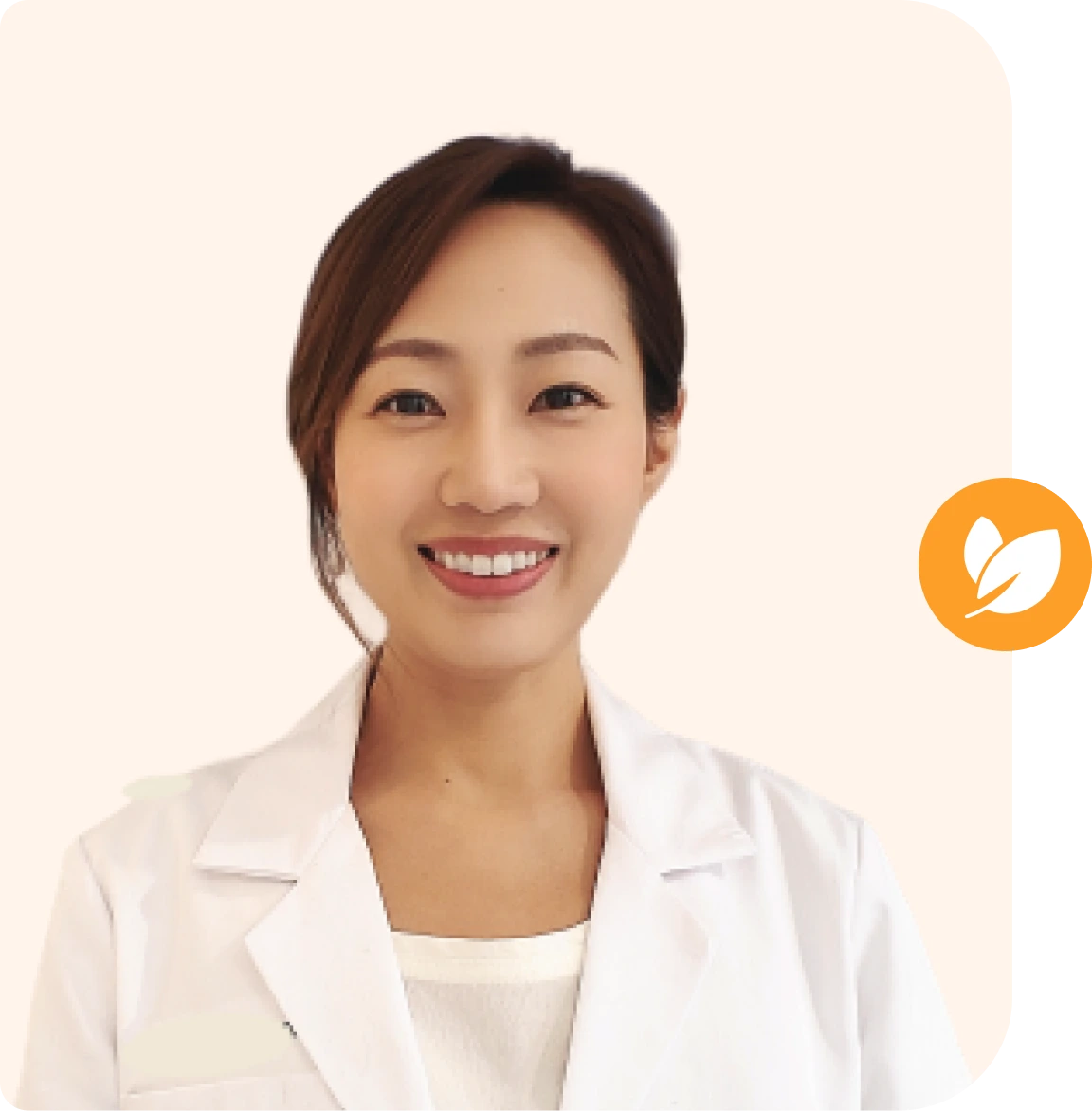
Dr. Choi founded I Grow Clinic in 2021 to provide specialized growth care for children with idiopathic short stature. She’s passionate about helping each child reach their full potential through safe, science-based treatments and compassionate care.
Physician
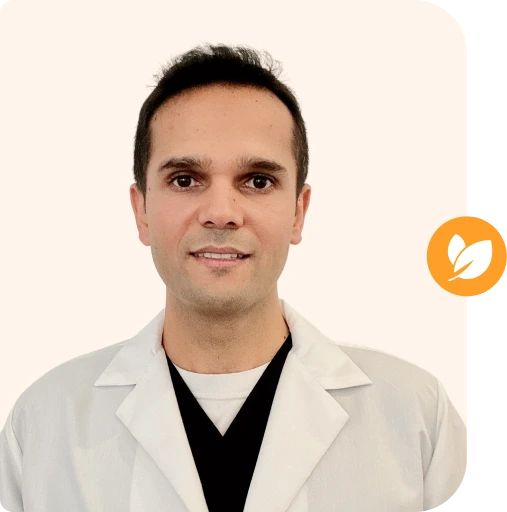
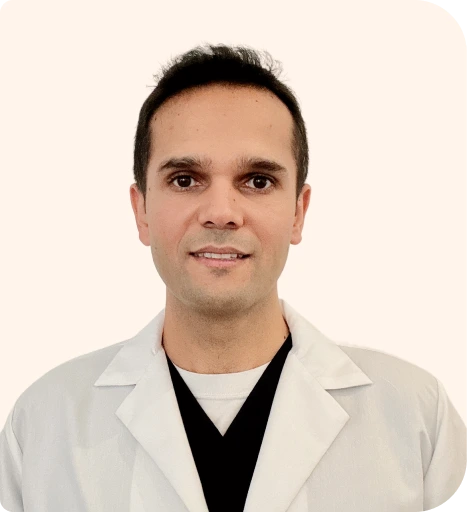
Dr. Khawar is a board-certified rheumatologist and internist with over 20 years of diverse clinical experience. Drawing on his deep understanding of hormonal, musculoskeletal, and metabolic health, Dr. Khawar brings a unique perspective to growth hormone treatment for children. As an Assistant Professor of Medicine at both Loma Linda University and UC Riverside, he is dedicated to evidence-based, compassionate care-helping each child reach their full growth potential in a safe and supportive environment.
Nurse Practitioner
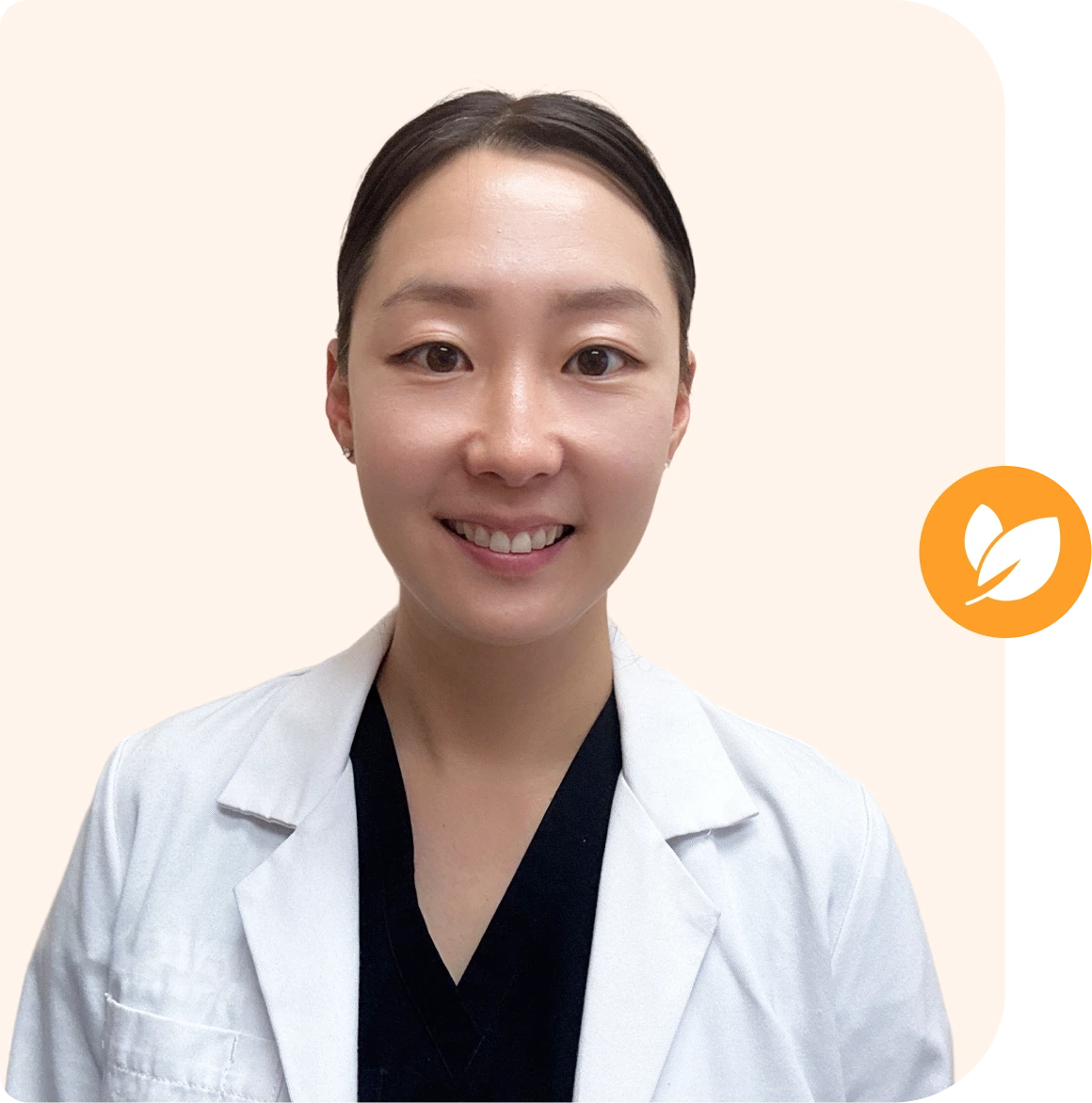
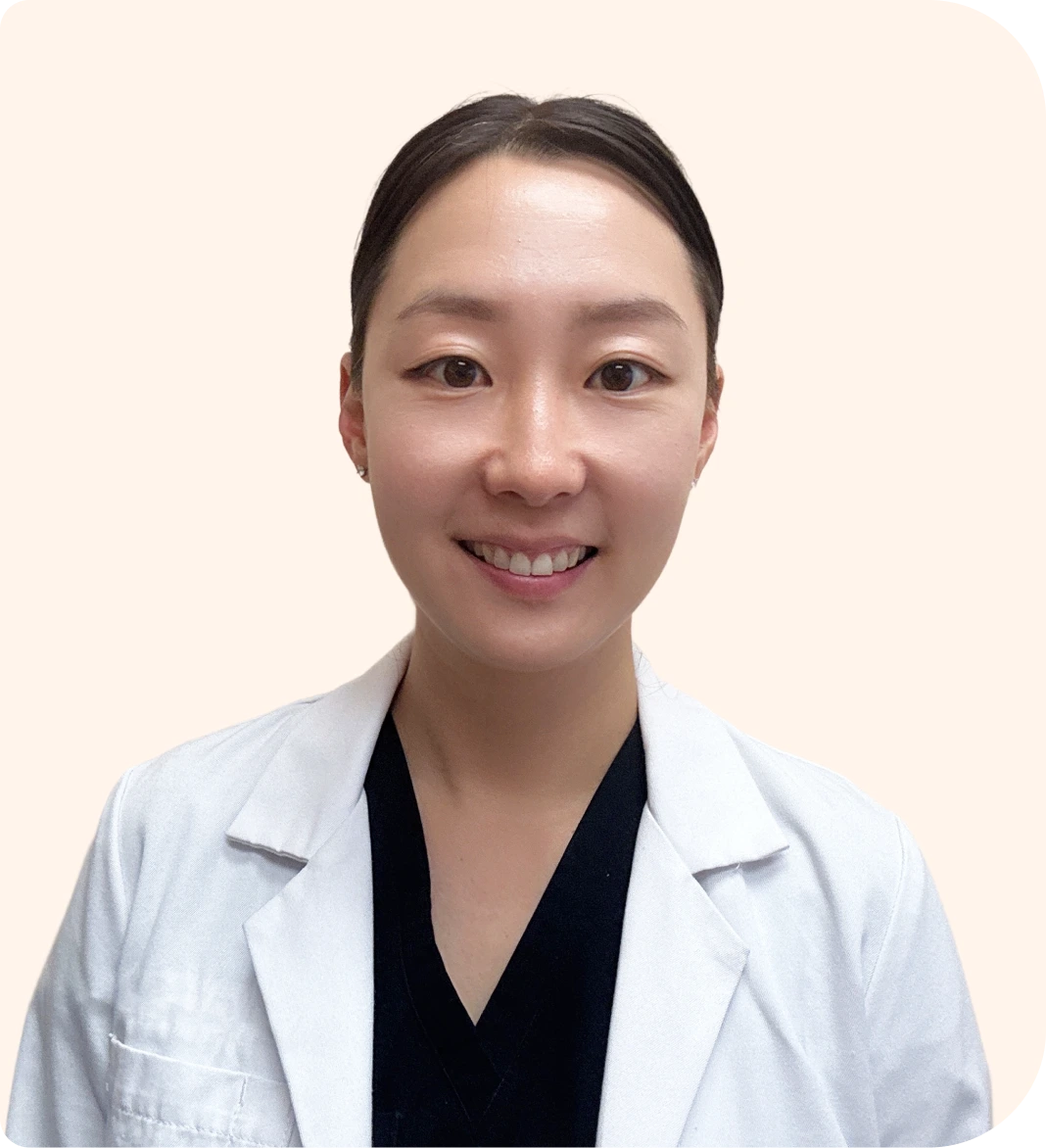
Nurse Practitioner Sunjo brings extensive clinical experience and deep expertise in patient-centered care, clinical assessment, and wellness-focused treatment. She is dedicated to enhancing patients’ health, vitality, and overall quality of life, consistently applying her knowledge and skills with care. In particular, she is committed to creating healthier and more positive outcomes through personalized approaches in the rapidly evolving field of growth hormone therapy.
Nurse Practitioner
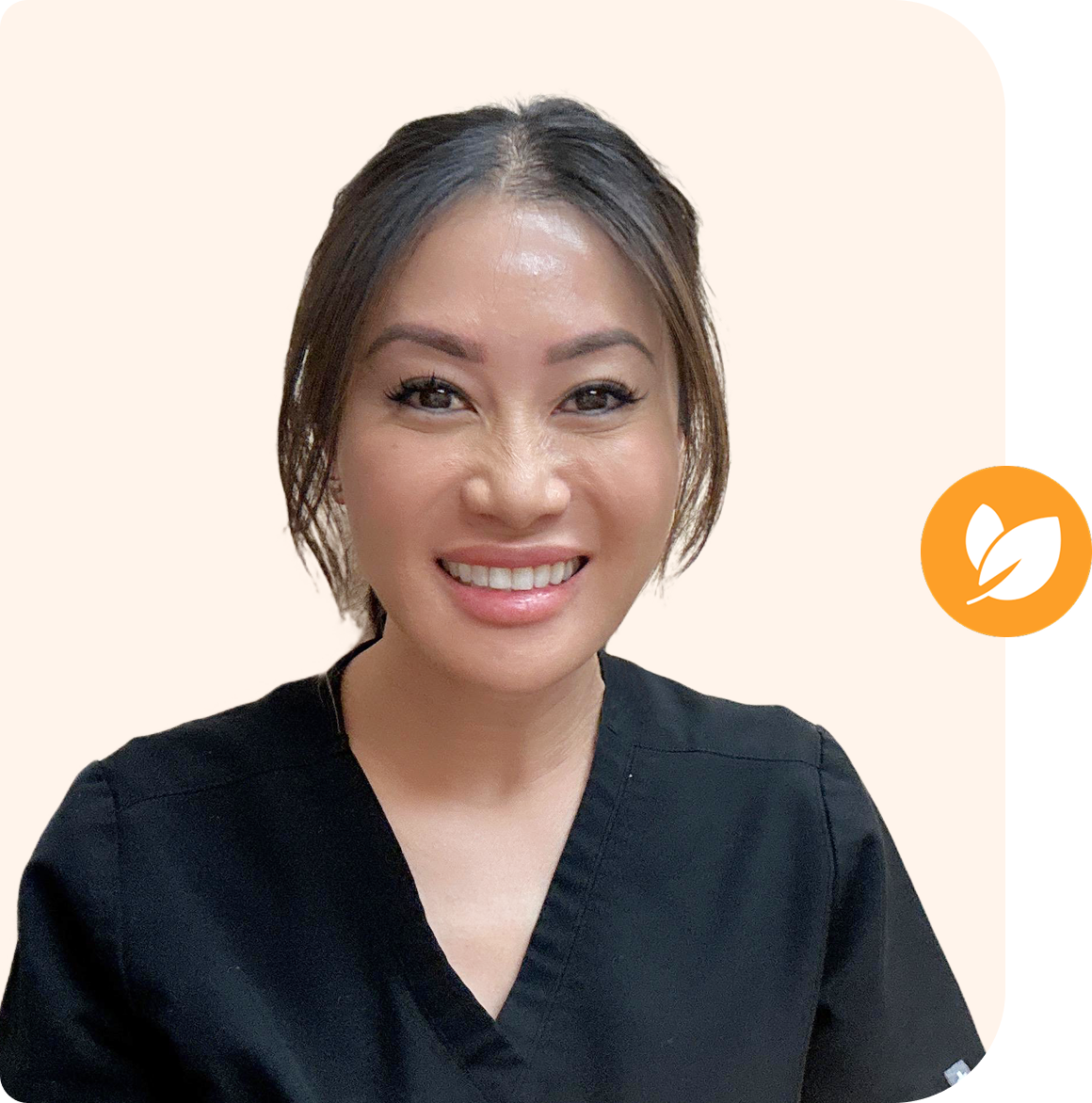
With a steady and experienced hand, Jenny guides families through the journey of growth hormone care. She excels at making complex information clear for parents, while her reassuring approach puts children at ease, making every visit a positive experience.

Physician & Founder
Physician
Nurse Practitioner
Ina Poong
Office Manager
Esther Ahn
Office Manager
Minnie Lee, RN BSN
Registered Nurse
Eliana Kim
Front Desk Staff
Kim
Front Desk Staff
Emily Chiang
Front Desk Staff
Karyn How
Front Desk Staff
Yeeun Jun
Front Desk Staff
Ina Poong
Office manager
Esther Ahn
Office manager
Hailey Nguyen
Front Desk Staff
Eliana Kim
Front Desk Staff
Kim
Front Desk Staff
Nadia De La Riva
Front Desk Staff
Emily Chiang
Front Desk Staff
Karyn How
Front Desk Staff
Jane Palahang
Front Desk Staff



At I Grow Clinic, we help every FL child reach their
full growth potential through personalized care
Recombinant human growth hormone (rhGH) has been FDA-approved since 1985 after extensive research confirmed its safety and benefits. For decades, growth hormone therapy has safely helped children reach their full growth potential. Studies and leading endocrine societies confirm no long-term side effects when treatment is properly prescribed and monitored.
Before treatment, each child receives a full medical evaluation to ensure safety and suitability.
Our evaluation includes:
Laboratory testing to review hormone and metabolic health
Growth-plate X-ray assessment to confirm bone maturity and suitability for treatment
Throughout treatment, our physicians provide:
Individualized treatment plans with carefully monitored dosing
Regular growth assessments to track progress
Follow-up care, which includes:
Regular blood tests to track hormone levels and response
X-rays to assess bone growth and maturity
Telehealth or in-person visits to review and adjust treatment
Every step of your child’s care at I Grow Clinic is guided by medical expertise, evidence-based practice, and
compassionate care, helping each child in Florida grow safely, confidently, and to their fullest potential.

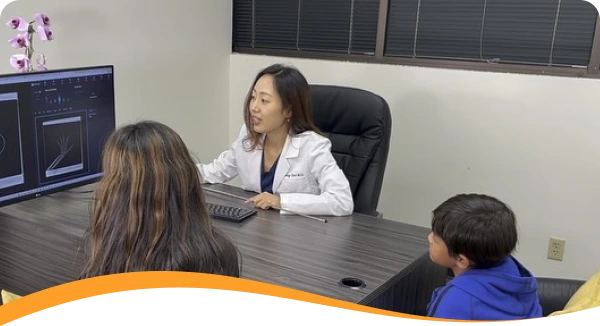
Using advanced AI software, we compare your child’s bone age with their chronological age to estimate their remaining growth potential and predict their final height.

Our Provider will review the results with you, explain any differences between bone age and actual age, and discuss whether additional steps are recommended.

RESULTS THAT SPEAK FOR THEMSELVES
in 9 months
in 12 months
Over 2000 Satisfied Families
Completely satisfied

Highly recommended
Love Dr. Choi! She is so patient and answers all our questions. We have witnessed a height increase by 5.1cm in our child in the past 6 months and are so excited for continued growth. Highly recommend Dr. Choi!
Thrilled with the results
Beyond satisfied
Happy With the Improvement
Stephanie L.
Very pleased with the progress
I highly recommend I Grow Clinic if you are concerned about your child’s height. I have a daughter who was not short at all, but still attended an oriental clinic regularly for multiple reasons. One day, they tested her growth plate and told me her bone growth was not enough for her age. This could result in her being shorter than average later. ... I started searching for what this meant, and I found out that the age of bone was the key for growth and height. However, they didn’t tell me about the age. I googled and came across I Grow Clinic. Luckily, they provided the age of the bone growth and detailed treatments. My daughter received a growth treatment at I Grow Clinic with Dr. Sung. My whole family is satisfied with the result. She is 18 cm taller than her first visit during 21 months. Thank you Dr. Sung and I Grow Clinic staff.
Read more Completely satisfied
Dr Choi is very detail-oriented. She monitors lab values to make sure the treatment is safe. The clinic is pediatric friendly. The staff is very nice. My child is growing and the treatment is effective. We are completely satisfied with I Grow Clinic.
Highly recommended
Thrilled with the results
Beyond satisfied
My son has been having growth hormone treatment for 18 months, and his height has increased by 8.47 inches. His height percentile among children of the same age has improved from 58% to 93.7%. My son and I are very satisfied with the results and plan to continue this treatment for as long as possible. We are so thankful to Igrow Clinic.
Happy With the Improvement
Stephanie L.
Very pleased with the progress
I highly recommend I Grow Clinic if you are concerned about your child’s height. I have a daughter who was not short at all, but still attended an oriental clinic regularly for multiple reasons. One day, they tested her growth plate and told me her bone growth was not enough for her age. This could result in her being shorter than average later. ... I started searching for what this meant, and I found out that the age of bone was the key for growth and height. However, they didn’t tell me about the age. I googled and came across I Grow Clinic. Luckily, they provided the age of the bone growth and detailed treatments. My daughter received a growth treatment at I Grow Clinic with Dr. Sung. My whole family is satisfied with the result. She is 18 cm taller than her first visit during 21 months. Thank you Dr. Sung and I Grow Clinic staff.
Read more 
In-Person Visits at our
Fullerton clinic

Virtual Appointments
Specially for FL residents for convenient, at-home evaluations
and follow-ups
The medication is self‑injected six times a week at nighttime, under the skin with a very thin needle. Families receive detailed education, video training, and in‑home nurse support when treatment begins.
The growth hormone treatment is known to be quite safe. Serious side effects are very rare in children without underlying diseases. Temporary pain and itching at the injection site may occur. During the initial stages of treatment, temporary flu-like symptoms, hypothyroidism, swelling, and headaches can also occur, although these are still rare. The dosage of medication may be adjusted with close monitoring to manage these side effects.
SCFE (Slipped Capital Femoral Epiphysis) is very rare but can occur in boys with severe obesity (BMI ≥ 29), particularly during periods of rapid growth. Additionally, if children already have scoliosis, the curvature may worsen during their rapid growth. Therefore, it is crucial to maintain an appropriate growth rate, avoid excessive weight gain, and closely follow up with the prescribing physician throughout growth hormone treatment.
Human growth hormone treatment is contraindicated in patients with active cancer, diabetes, thyroid disease, or sleep apnea due to morbid obesity.
Sleep, nutrition, and exercise all play important roles. Children benefit from 9–10 hours of sleep, balanced meals rich in protein and calcium, and daily physical activity such as running or jumping.
Costs depend on dosage, which is determined by weight, age, and growth plate status. Younger children often require lower doses. Health insurance typically does not cover hGH treatment when there are no medical diseases significantly affecting a child’s growth. The exact cost is determined after the initial consultation, based on your child’s growth plate exam and individualized treatment plan.
Eligibility is determined after the initial consultation. In insurance-covered cases, a diagnosed medical condition is usually required for approval. However, in self-pay cases, treatment is not limited to children with a medical disease. The key factor is whether the growth plates in the arms and legs remain open, showing sufficient growth potential. Through X-ray evaluation and consultation, our medical specialists determine who is most likely to respond effectively to growth hormone therapy.
Duration varies by child and depends on factors such as growth plate status, age, and stage of puberty. Progress is reviewed every six months to determine whether to continue treatment.
A monthly online check-in is required to review your child’s height and weight. Measurements should be taken accurately at home and reported to the clinic. Blood tests are performed every six months for ongoing monitoring, and hand X-rays to assess bone age are done every 6 to 12 months, depending on growth plate status.
Yes we can treat your child with our telehealth services in FL for adelecent growth treatments. Please contact us for details specific to your location.
Every child responds differently. Some show rapid improvement in growth velocity, while others progress more gradually. Our role is to monitor carefully and provide realistic guidance without promising specific outcomes.
Let’s Support Your
Child’s Growth Together
We’re here to support your child’s growth journey every step of the way.
Florida, the “Sunshine State,” is home to a diverse array of municipalities that range from bustling metropolitan centers to charming small towns. With its unique geography as a peninsula surrounded by the Gulf of Mexico and the Atlantic Ocean, Florida’s cities and towns reflect the state’s rich history, cultural diversity, and rapid growth. Understanding Florida’s municipal landscape provides insight into one of America’s most dynamic states.
Florida has a total of 410 incorporated municipalities distributed across its 67 counties . These are classified into 282 cities, 109 towns, and 19 villages . Notably, there is no legal distinction between cities, towns, and villages in Florida—the different labels are primarily a matter of historical preference or local tradition .
The majority of Floridians live in incorporated areas, with over 10 million residents—approximately 55% of the state’s total population—calling these municipalities home . However, an even larger percentage lives in metropolitan regions; 94% of Florida’s population resides in metropolitan areas, with the remainder spread across smaller cities, towns, and truly rural areas .
The history of Florida’s cities dates back to the state’s earliest European settlement. In 1822, St. Augustine and Pensacola became the first municipalities to incorporate . St. Augustine holds particular significance as the oldest continuously occupied European settlement in the continental United States, founded by Spanish explorers in 1565 .
Ponce de León first landed on Florida’s shores in April 1513 during the Easter season, which the Spanish called Pascua Florida (Festival of Flowers), giving the state its name . Florida became the 27th state to join the Union on March 3, 1845 , and its cities have grown tremendously since.
The most recent incorporations occurred more recently, with Westlake becoming Florida’s newest municipality in 2016 .
All Florida municipalities operate under a municipal charter approved by a majority of registered voters within the geographic area, which must be confirmed by the state legislature through special legislation . This process is governed by Chapter 165 of the Florida Statutes.
Florida’s larger cities—those with populations exceeding 200,000—typically utilize the strong mayor–council form of government . In this system, the mayor serves as a powerful executive figure who often appoints a chief administrative officer. For approximately 70% of Florida’s municipalities, mayors serve in primarily symbolic and ceremonial roles, with a city manager handling day-to-day administration .
Jacksonville stands as Florida’s largest municipality by both population and land area . With over 840,000 residents and spanning approximately 875 square miles, Jacksonville holds a unique distinction: it has the only consolidated city–county government in the state . This means Duval County has no separate county government—the city and county functions are merged.
Notably, Jacksonville’s consolidation does not eliminate all smaller municipalities within its boundaries. Communities such as Baldwin and the Jacksonville Beaches maintain their own municipal governments while existing within the larger consolidated city .
At the opposite end of the spectrum, Florida is home to some remarkably small incorporated communities:
Lake Buena Vista holds the distinction of being Florida’s least populous municipality, with a population of just 10 people
Lazy Lake is Florida’s smallest municipality by land area, covering only 0.022 square miles
Belleair Shore, another small coastal community, has a land area of just 0.06 square miles and a population of approximately 73 residents
These tiny municipalities demonstrate that in Florida, incorporation is possible for communities of all sizes.
Florida’s municipalities are distributed unevenly across the state’s 67 counties. Some counties have numerous incorporated cities and towns, while others have just one or two . Ten counties in Florida have only one incorporated municipality, and another ten counties have just two .
Every Florida county seat is incorporated except one: Crawfordville, the county seat of rural Wakulla County, remains unincorporated .
Florida’s largest metropolitan areas reflect the state’s geographic and economic diversity:
As Florida’s most populous city, Jacksonville serves as a major port, commercial center, and military hub in Northeast Florida.
While not the largest by city limits, the Miami metropolitan area is Florida’s largest urban region, with over 6 million residents. Cities within this area include Miami, Fort Lauderdale, West Palm Beach, and numerous other incorporated communities .
The Tampa Bay region, including Tampa, St. Petersburg, and Clearwater, forms another major population center on Florida’s Gulf coast.
Central Florida’s largest city, Orlando, anchors a region known for world-famous attractions including Walt Disney World, Universal Studios, and SeaWorld .
Located in Southwest Florida, Cape Coral is one of the state’s fastest-growing cities and ranks among the largest by population .
Florida’s state capital has been the seat of government since territorial days and remains a center for state government and higher education .
Unlike some states where “city,” “town,” and “village” imply different forms of government or population thresholds, Florida makes no legal distinction between these terms . A community may call itself a city, town, or village based purely on local preference.
Several municipalities in South Florida exist within or adjacent to the Everglades National Park, the largest tropical wilderness in the United States . These communities balance development with environmental conservation.
Given Florida’s 1,350 miles of coastline—the longest in the contiguous United States—hundreds of Florida’s municipalities are coastal communities . From the Florida Keys to the Panhandle, these cities and towns depend heavily on tourism, fishing, and maritime activities.
The Florida Keys, a chain of islands stretching from the southern tip of the peninsula, contain several incorporated municipalities including Key West, the southernmost city in the continental United States .
Florida has experienced remarkable population growth since the mid-20th century. Advances in air conditioning, economic development, and migration from northern states transformed Florida from one of the least populous Southern states into the third-most populous state in the nation .
This growth continues today. Florida’s population exceeded 23 million residents in 2024 , and the state consistently ranks among the fastest-growing in the country. Nine of the ten fastest-growing communities in the United States are located in Florida .
This rapid growth has led to the incorporation of new municipalities over time, as communities seek local control over planning, services, and development. The most recent incorporations include Westlake in 2016, and prior to that, Loxahatchee Groves and Grant-Valkaria in 2006 .
Florida’s municipalities reflect the state’s diverse economy:
Tourism: Orlando (theme parks), Miami Beach (resorts), and coastal communities statewide
Aerospace: Cape Canaveral and the Space Coast, home to Kennedy Space Center
Agriculture: Smaller cities and towns in Central and South Florida support citrus, sugar, and vegetable production
Trade and Logistics: Port cities like Jacksonville, Miami, and Tampa serve as major shipping hubs
Finance and Real Estate: Miami, West Palm Beach, and other South Florida cities host significant financial and real estate industries
Florida’s 410 incorporated municipalities—282 cities, 109 towns, and 19 villages—tell the story of a state defined by growth, diversity, and unique geography. From the historic streets of St. Augustine, founded in 1565, to the modern planned communities of the 21st century, Florida’s cities and towns reflect centuries of settlement and transformation.
Whether the bustling metropolitan areas of Miami, Tampa, and Orlando or the tiny villages like Lazy Lake and Lake Buena Vista, each Florida municipality contributes to the rich fabric of the Sunshine State. With continued growth projected for the coming decades, Florida’s municipal landscape will undoubtedly continue to evolve, adding new cities and towns to its already impressive roster.
For parents watching their child grow, few things are more concerning than noticing that development seems to be lagging behind peers. In Florida, advances in pediatric endocrinology offer families safe, non-invasive options to address growth disorders—without surgery or invasive procedures. From specialized medications that target the underlying causes of conditions like achondroplasia to therapies that work with the body’s natural hormone production, Florida families have access to world-class care and strong insurance protections. Understanding these options—the benefits, the reasons to pursue them, what treatment involves, and the costs—can empower parents to make informed decisions for their children.
Growth disorders affect children in different ways, but they all share one common feature: they interfere with the body’s natural ability to grow. These conditions are diagnosed and managed by pediatric endocrinologists—specialists who focus on hormones and their effects on growth and development.
In Florida, families have access to highly qualified specialists across the state. Dr. Sung S. Choi, MD at the IGrow Clinic provides comprehensive care for growth disorders, utilizing advanced testing such as growth hormone stimulation tests to accurately diagnose conditions . Similarly, Talha Khawar, MD, RhMSUS at the same center has extensive experience with growth disorders and developed a multidisciplinary metabolic bone disease clinic, demonstrating Florida’s commitment to comprehensive, team-based care .
For children diagnosed with growth hormone deficiency (GHD) or other FDA-approved conditions such as Turner syndrome, idiopathic short stature (ISS) , or being small for gestational age (SGA) without catch-up growth, growth hormone therapy is the standard of care. This treatment involves the administration of recombinant human growth hormone (rhGH) —synthetic somatropin—delivered through simple subcutaneous injections.
Unlike treatments that introduce foreign substances, growth hormone therapy supplements what the body is failing to produce naturally. For children whose pituitary glands do not generate adequate growth hormone, this therapy provides the missing component needed for normal development.
The treatment is delivered using sophisticated auto-injector pens that make self-administration simple and virtually painless. These devices, combined with smartphone apps that track adherence and guide dosing, empower families to manage treatment confidently at home.
The benefits of growth hormone therapy extend far beyond increased height :
Improved bone mineral density: Essential for long-term skeletal health and preventing future osteoporosis
Enhanced cardiovascular function: Growth hormone affects cardiac muscle development
Better metabolic health: Improved lipid profiles and healthier body composition
Increased energy and muscle strength: Children often report feeling more active and capable
Psychosocial development: Achieving height within normal ranges reduces bullying and social isolation
Improved quality of life: Both children and families report greater confidence and well-being
The decision to initiate growth hormone therapy is based on established clinical criteria. Pediatric endocrinologists evaluate:
Bone age X-rays: To determine remaining growth potential and confirm open growth plates
Growth hormone stimulation tests: To confirm deficiency
Growth velocity tracking: Documenting suboptimal growth over 6-12 months (typically less than 4-5 cm/year)
IGF-1 and IGFBP-3 levels: To assess growth hormone axis function
Genetic testing: For suspected syndromes like Turner syndrome
Early intervention is critical. Treatment is only effective while growth plates remain open—typically until bone age 14-16 in girls and 16-18 in boys. Children who begin treatment before significant bone age delay achieve superior adult height outcomes.
For children with achondroplasia—the most common form of dwarfism, affecting approximately 1 in 10,000 to 30,000 live births—a revolutionary non-invasive treatment is now available . Voxzogo (vosoritide) represents a paradigm shift in growth treatment, offering the first pharmaceutical option for this genetic condition.
Achondroplasia is caused by a mutation in the fibroblast growth factor receptor 3 (FGFR3) gene, which inhibits bone growth . Voxzogo is a C-type natriuretic peptide (CNP) analog that works by stimulating endochondral ossification—the process of bone formation that is suppressed in children with achondroplasia.
In simple terms, Voxzogo acts like a “key” that unlocks the body’s natural bone-growing potential, counteracting the genetic mutation that would otherwise limit growth.
The effectiveness of Voxzogo has been demonstrated in rigorous clinical studies:
Increased growth velocity: In clinical trials, children receiving Voxzogo saw their annualized growth velocity increase from 4.26 cm/year at baseline to 5.52 cm/year after 104 weeks of treatment
Maintained body proportions: Unlike some treatments that might disproportionately lengthen limbs, Voxzogo promotes proportional growth across the skeleton
Sustained effects: Two-year study results show persistent growth-promoting effects with continued treatment
Non-invasive: Administered as a daily subcutaneous injection at home
Safe profile: No FDA-labeled contraindications, with side effects generally mild
Beyond height concerns, untreated achondroplasia carries significant health risks. The condition is associated with potentially serious medical complications including foramen magnum stenosis (narrowing at the base of the skull) and spinal stenosis, both of which can increase morbidity . Early treatment with Voxzogo may help mitigate these complications while optimizing growth outcomes.
Florida families have exceptional access to Voxzogo treatment. The IGrow Clinic in Fullerton CA offers Telehealth therapy as part of their comprehensive care for individuals with skeletal dysplasia . Offering both in-person and telehealth appointments to discuss Voxzogo and other treatment options.
For some children with growth concerns, Sermorelin offers an alternative approach. Sermorelin is a synthetic peptide that stimulates the pituitary gland to produce more of the body’s natural growth hormone .
Unlike direct growth hormone injections, which introduce synthetic hormones into the body, Sermorelin works by enhancing the body’s own production capacity. This makes it a more “natural” approach—essentially encouraging the body to do what it should be doing on its own.
Children undergoing Sermorelin therapy may experience :
Increased height as growth plates are stimulated
Improved muscle development and strength
Better fat metabolism leading to healthier body composition
Enhanced energy levels, focus, and overall well-being
Pediatric endocrinologists may consider Sermorelin therapy when children show :
A slow growth rate: Less than 2 inches of growth per year after age 3
Height significantly below average for age and gender
Delayed puberty
Excess body fat, particularly around the waist and face
Fatigue, weak muscle tone, or low energy levels
The journey begins with a consultation with a pediatric endocrinologist. Florida families can access specialists at:
During evaluation, specialists may perform:
Growth hormone stimulation testing to confirm deficiency
Bone age X-rays to assess skeletal maturation
Genetic testing for conditions like achondroplasia
Comprehensive blood work to evaluate hormone levels
Once a diagnosis is confirmed, families receive comprehensive training from specialty pharmacies on injection technique. For Voxzogo, treatment requires:
Confirmed diagnosis of achondroplasia through genetic testing or radiographic findings
Open epiphyses (growth plates)
Prescription from a specialist (endocrinologist or other appropriate specialist)
Prior authorization from insurance (see below)
Treatment success depends on consistent follow-up:
Regular pediatric endocrinologist visits: Every 3-4 months to monitor growth velocity
Bone age assessments: Periodic X-rays to track skeletal maturation
Adherence tracking: Smartphone apps and pharmacy records
Adjustments: Dosing may be adjusted based on weight changes and growth response
Growth treatments represent significant investments, but Florida families have multiple avenues to access affordable care.
Voxzogo is available through Florida insurance plans including Blue Partner, Commercial, GenPlus, Health Insurance Marketplace, and SourceRx formularies, though prior authorization is required . The typical approval criteria include:
Confirmed diagnosis of achondroplasia
Open growth plates
Prescription from a specialist
No use in combination with other growth hormone agents
Initial approvals are typically granted for 12 months, with renewal requiring documentation of continued benefit .
For growth hormone therapy, coverage varies by plan but is generally available with prior authorization when medical necessity is established.
Florida families have several pathways to coverage:
Employer-sponsored insurance: Many Florida employers offer plans covering growth treatments
Health Insurance Marketplace: Plans available through the Affordable Care Act (ACA) marketplace
Medicaid and CHIP: Available for eligible families; Florida’s Children’s Health Insurance Program (CHIP) provides coverage for children who qualify
Private insurers: Blue Cross Blue Shield, Aetna, Cigna, and others offer plans in Florida with varying coverage for growth treatments
To understand your coverage:
Review your Summary of Benefits and Coverage (SBC): This document lists covered services
Check your plan’s drug formulary: Growth treatments must be listed as covered medications
Confirm network providers: Ensure your pediatric endocrinologist is in-network
Contact your insurer directly: Ask specifically about prior authorization requirements for growth hormone therapy or Voxzogo
Several programs help Florida families manage costs:
BioMarin RareConnections: Manufacturer assistance for Voxzogo, offering co-pay support and coverage navigation
Novo Nordisk Patient Assistance Program: Support for Norditropin
Pfizer Bridge Program: Assistance for Genotropin
Patient Advocate Foundation: Co-pay relief and case management
NeedyMeds: Drug discount information
Florida offers unique advantages for families pursuing growth treatments:
IGrow Clinic offers Florida families specialists VIA telehealth appointments, making it easier for families across the state to access expert care without extensive travel .
Florida centers emphasize comprehensive, team-based approaches.
Choosing growth treatment requires careful consideration of medical necessity, timing, and family resources. The window for treatment is limited—growth hormone therapy and Voxzogo are only effective while growth plates remain open.
Has my child been evaluated by a pediatric endocrinologist?
What is my child’s bone age and remaining growth potential?
Is there a confirmed diagnosis meeting FDA approval criteria?
What is my insurance coverage, and what prior authorization is required?
What manufacturer assistance programs are available?
For parents concerned about their child’s growth, the first step is consulting a pediatric endocrinologist. Florida families can start by contacting:
Non-invasive growth treatments offer Florida families safe, effective options for addressing childhood growth disorders. From growth hormone therapy for deficiency and related conditions to Voxzogo for achondroplasia to Sermorelin for stimulating natural production, these treatments work with the body’s own systems to promote healthy development.
Florida’s network of world-class pediatric endocrinologists, comprehensive insurance options, and strong support resources make these treatments accessible to families across the state. With early diagnosis, appropriate treatment, and ongoing support, children with growth disorders can achieve their full growth potential—naturally and non-invasively.
For parents watching their child grow, that peace of mind is invaluable.
