
“Doctor, will growth hormone make my child’s head bigger?”
Almost every week, I hear this question from a concerned parent. It usually begins with something they have read online, perhaps a photo of an adult with enlarged facial features due to acromegaly, a rare hormonal disorder caused by excess growth hormone. I understand why that image is alarming. Parents want their children to grow taller and healthier, but never in a way that changes their face or body shape unnaturally. So let’s answer this clearly and calmly, with evidence, not rumors:
No, properly prescribed growth hormone treatment for children does not make a child’s head or face “bigger.”
What it does is help the body grow in proportion. Height, bones, muscles, and facial features developing in balance, as nature originally intended.
I’m a board-certified Physical Medicine and Rehabilitation physician with over 20 years of clinical experience in medicine. Since founding my clinic in 2021, I’ve focused on helping children achieve healthy, confident growth through comprehensive, evidence-based care. To date, I have personally evaluated and treated more than 3,000 pediatric patients, each with their own growth story. My goal is to give parents clarity and peace of mind by turning anxiety into understanding.
“Big Heads” and the Myth of Acromegaly
Acromegaly occurs only in adults with closed growth plates and unregulated hormone secretion, completely different from supervised pediatric GH therapy.
Before we can understand the fear, we need to understand what acromegaly actually is.
Acromegaly is a rare medical condition that occurs in adults, long after their growth plates have closed. It usually happens when a pituitary tumor produces large, uncontrolled amounts of growth hormone. Because those adults can no longer grow taller, the excess hormone causes bone thickening, especially in the hands, jaw, and skull, over many years.
That’s what creates the characteristic facial changes sometimes seen in acromegaly.
However, that’s not what happens in children receiving prescribed, medically supervised GH therapy.
Here’s why:
- Children still have open growth plates. Their bones can lengthen normally instead of thickening abnormally.
- Therapeutic GH doses are physiologic, not excessive. Doctors calculate doses precisely to match natural levels.
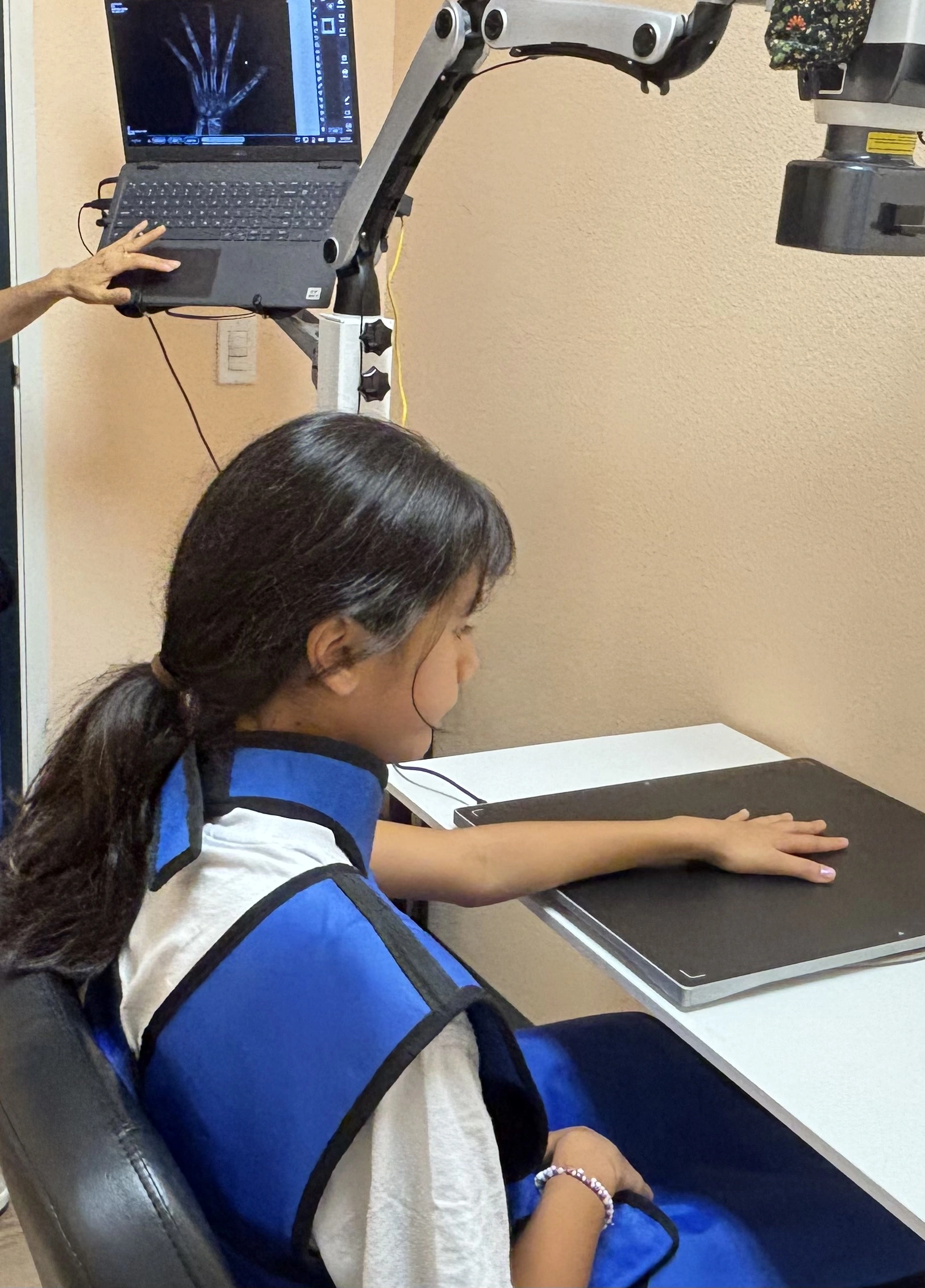
- Treatment is regularly monitored through lab tests, bone-age X-rays, and clinical evaluations to ensure balance and safety.
In other words, acromegaly equals unregulated hormone excess, while GH therapy equals medically guided, balanced growth.
What research actually shows about growth hormone and facial growth
Studies show that growth hormone supports balanced facial bone development, restoring proportion, not enlarging features.
When scientists studied children with growth hormone deficiency (GHD) or idiopathic short stature (ISS), they discovered something important:
These children often don’t just grow slowly in height. Their facial bones and jaw may also develop more slowly than peers.
Their faces sometimes appear smaller and underdeveloped for their age, not because of any abnormality, but because growth hormone deficiency affects every bone, including the facial skeleton.
When those children begin GH therapy under supervision, their growth becomes proportionate. Their facial bones start to catch up naturally, leading to a more balanced and age-appropriate appearance. That’s not exaggeration, it’s restoration.
Over several decades of global research, studies have consistently shown that growth hormone does not cause abnormal facial enlargement in children receiving proper treatment. Instead, it normalizes bone and soft-tissue development, bringing proportional symmetry between the body, limbs, and face.
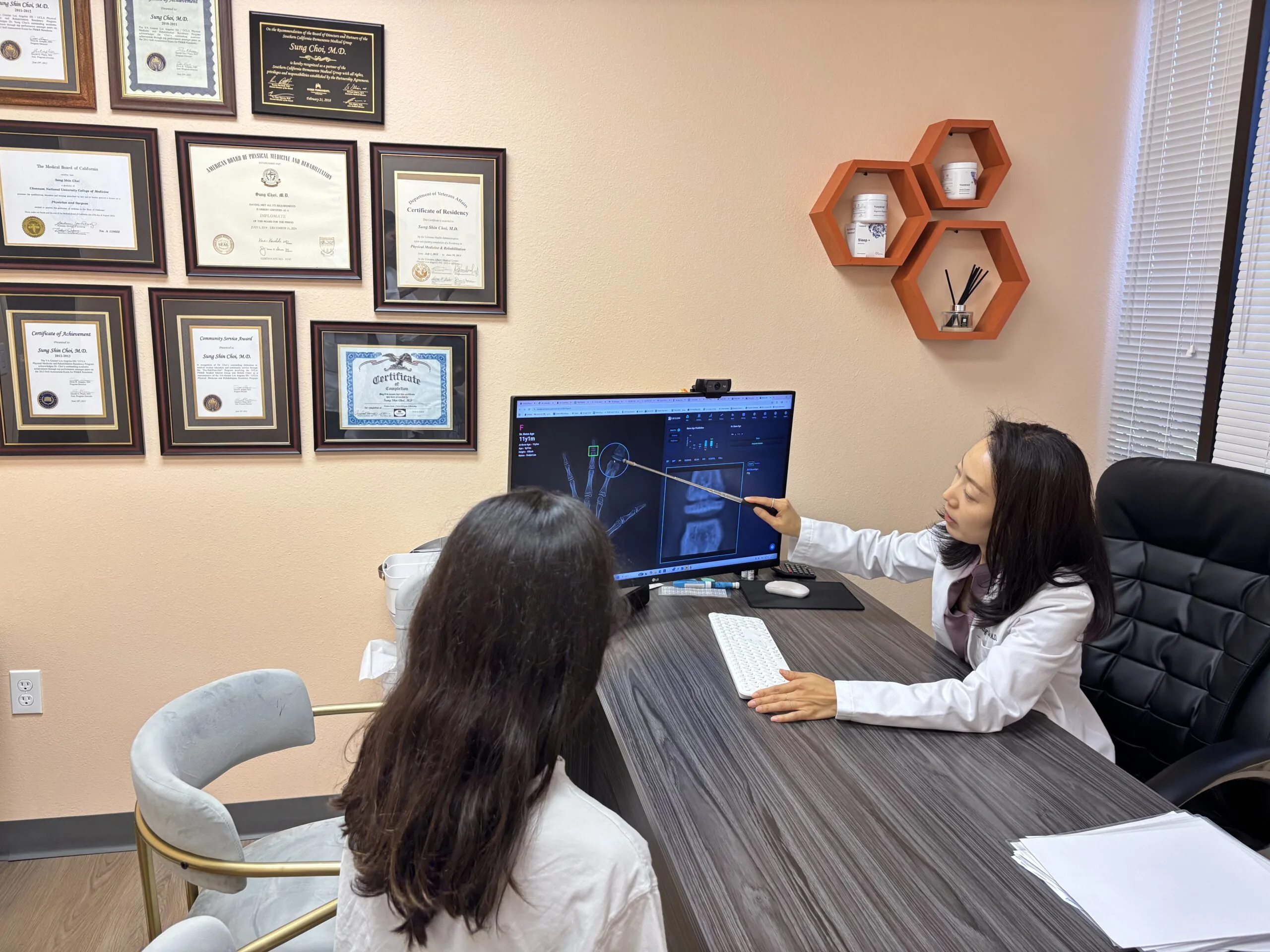
to guide safe, proportional growth during GH therapy.
Why this distinction matters to parents
Parents often come to me after reading alarming posts online or hearing secondhand claims that growth hormone therapy can make a child’s face grow larger. These statements spread easily but are rarely based on medical fact. Without clear explanation, it’s understandable that such misinformation can cause unnecessary worry, especially for parents who simply want safe, natural growth for their children.
But the truth is simple:
- GH therapy in children uses controlled, physiologic doses.
- The goal is restoration of normal growth patterns, not excess.
- Regular follow-ups ensure safety, symmetry, and proportionality.
It is true that growth hormone is a powerful natural substance, but in the right hands, it’s also a precise, predictable medical tool. That is exactly how we approach growth hormone treatment at our clinic.
What your child’s doctor monitors during growth hormone therapy
Every child receiving growth hormone therapy is closely and individually monitored throughout treatment. We carefully track several key factors to ensure safe, balanced progress:
- Growth rate: measuring how many centimeters a child grows per year, ensuring progress is steady and not excessive.
- Blood tests: monitoring IGF-1 levels to confirm hormone balance.
- Growth plate evaluation, using hand X-rays to determine remaining growth potential.
- Joints and spine: checking alignment to ensure bones lengthen correctly and posture remains healthy.

All of this ensures that growth remains proportional, with height, limbs, and face developing in harmony and no unwanted changes.
The key is supervision. Growth hormone therapy should never be “set and forget.” Ongoing monitoring keeps it safe, balanced, and effective.
Every question you have about safety deserves a direct answer from a physician, not a forum post.
What We See in Real Life, Not Just Research
Over the years, I’ve had the privilege of caring for many children, each with their own growth story and unique journey.
From all those experiences, I can say with confidence: not a single patient has developed an enlarged head or face from growth hormone therapy.
What we see instead is balanced, natural growth, with children becoming taller, stronger, and more confident, without any disproportionate changes. That’s exactly what careful dosing and close medical supervision are designed to achieve.

in both height and self-esteem.
Final Thoughts: Confidence Through Clarity
After years of following children through their growth journeys, I’ve learned that most parent worries come from uncertainty.
When treatment is grounded in evidence, supervised with precision, and delivered with care, growth hormone therapy supports natural, proportional development, never distortion. Your child’s growth story should be one of reassurance, not fear. Science, when practiced responsibly, always protects what matters most: your child’s health, confidence, and future.
FAQ: Growth Hormone and Facial Changes
- Can GH therapy change my child’s face shape?
Only in a healthy way. GH supports normal bone and tissue growth, helping the face mature proportionately with the body. It does not abnormally enlarge facial bones or cause distortion. - Why do some people online say GH causes a “big head” ?
Those cases usually refer to acromegaly in adults, caused by uncontrolled hormone-secreting tumors. This is completely different from safe, pediatric GH therapy. - How do doctors ensure growth stays proportional?
Through regular height checks, growth plate evaluation, IGF-1 monitoring, and physical exams, ensuring growth follows a natural, balanced pattern. - What should parents look out for during GH therapy?
Fatigue, joint discomfort, or headache can occur. These effects are rare and reversible when monitored properly. Will my child’s facial features look “different” after therapy?
Only in the way natural growth makes all children change, maturing, not transforming. GH helps restore balance, not exaggerate features.