
“My child eats well, sleeps well… so why is she still small?”
It’s a reasonable question, and one that deserves a clear, evidence-based answer.
For many years, growth hormone therapy was reserved almost exclusively for children with confirmed hormone deficiency. But our understanding has expanded. Today, research and clinical experience show that, under proper medical guidance, some children who are simply shorter than expected, even without deficiency, can benefit from treatment.
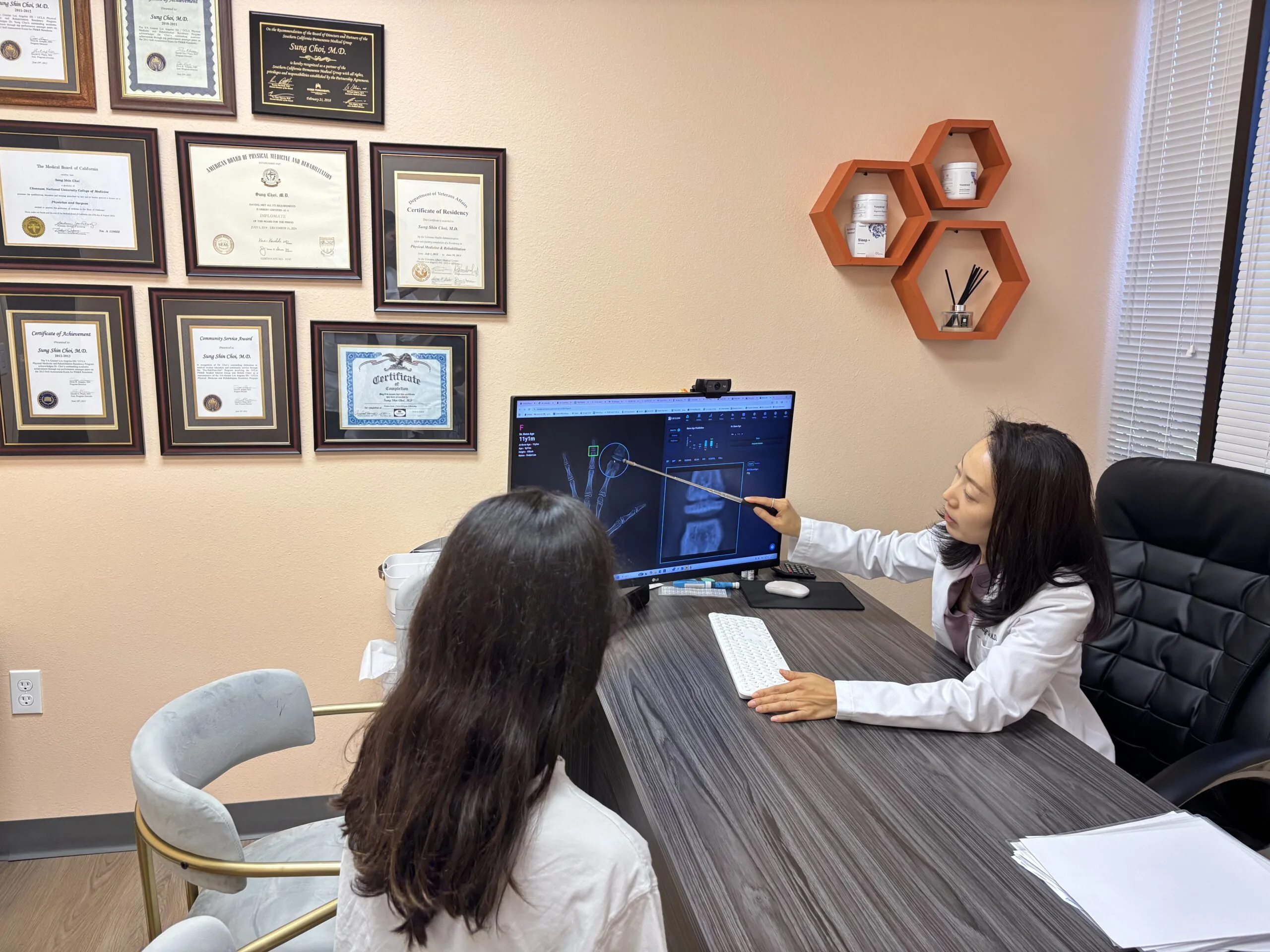
I’m a board-certified Physical Medicine and Rehabilitation physician with over 20 years of clinical experience in medicine. Since founding my clinic in 2021, I’ve focused on helping children achieve healthy growth and physical development through comprehensive, evidence-based care. My goal is to give parents the clarity and confidence they need to make informed, thoughtful choices about their child’s growth.
“It is because of genetics” shouldn’t be the end of the conversation

Many parents I meet have been told some version of, “Your child is just short because of genetics — there’s nothing you can do.”
While genetics absolutely play a major role in determining height, that explanation can feel dismissive and incomplete. In reality, growth is shaped by a complex mix of heredity, nutrition, hormones, sleep, physical activity, and overall health.
When we look more closely, with the right assessments and individualized approach, we often find areas where a child’s growth potential can still be supported. Growth hormone therapy for healthy children is one of those options. Under careful medical supervision, it can help some children move closer to their natural potential rather than being limited by an oversimplified “it’s just genes” answer.
Growth hormone deficiency and what it doesn’t explain
Traditionally, growth hormone therapy (GH therapy) was designed for one group of children:
those whose brains don’t produce enough growth hormone, a condition known as growth hormone deficiency (GHD).
When GHD is diagnosed, treatment is straightforward. Supplementing with GH restores the missing hormone, allowing the child to grow normally, often with remarkable results.
But many children who are much shorter than average do not have GHD.
They eat well, sleep well, and are otherwise healthy, yet their growth curve remains flat. When no underlying disease or nutrient deficiency is found, doctors call this idiopathic short stature (ISS), meaning “short stature without an identifiable cause.”
These are not unhealthy children; they simply grow more slowly than expected. For parents, that can be confusing and discouraging, especially when the only explanation offered is “wait and see.”
Why growth hormone
therapy may still help
a. GH amplifies the body’s own growth signals
Growth hormone doesn’t just “fill a deficiency.” It acts as a signal amplifier, stimulating bone growth plates, protein synthesis, and lean body mass.
Even if a child produces a normal amount of GH, supplementing it can gently enhance those biological processes, helping the body make better use of its existing growth potential.
b. Parents understand the emotional side — and so do children
c. Subtle biological differences may explain why GH helps
Normal test results don’t always mean optimal function. Some children have:
- Reduced GH sensitivity their, tissues respond less efficiently to normal hormone levels.
- Borderline secretion technically normal, but not strong enough for ideal growth.
- Variations in GH activity, producing adequate hormone, but with lower biological effectiveness.
In these situations, carefully monitored GH therapy can help overcome mild inefficiencies, supporting steady, natural growth rather than forcing artificial acceleration.
What parents can
realistically expect
When GH therapy is used for idiopathic short stature, the goal isn’t to create “tall” children, it’s to help each child approach their own potential.
Over time, some children reach a taller adult height than predicted. The degree of improvement depends on age at start, bone age, genetics, puberty timing, and consistency.
Every child’s journey looks different. Some respond quickly; others need time before progress becomes clear. The best results come when parents and physicians work as partners, combining realistic goals with consistent, supportive care.
Risks and limitations —
what every parent should know
a. Mild, transient side effects
- Minor injection-site discomfort
- Temporary muscle or joint aches
- Slight puffiness from fluid retention
b. Rare side effects under expert monitoring
- Visual changes from increased intracranial pressure
- Temporary blood sugar changes
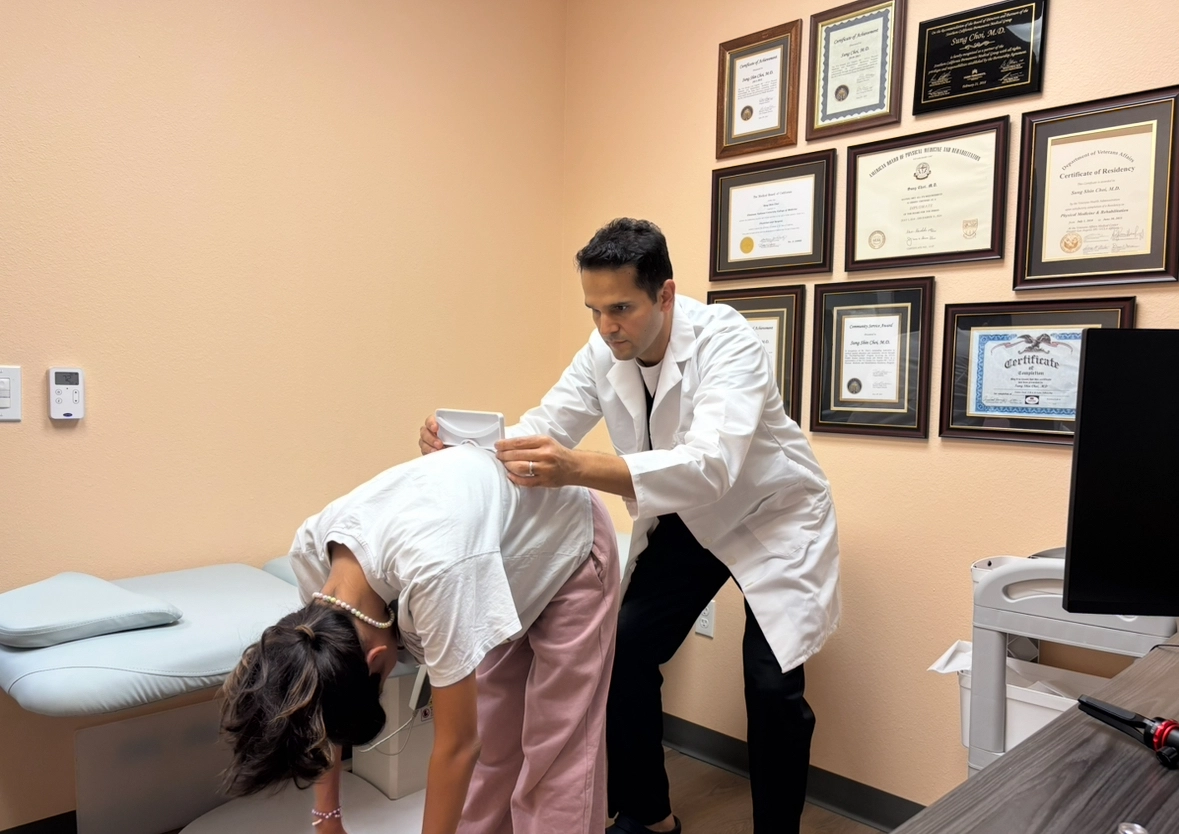
- Progression of scoliosis during rapid growth
- Slipped capital femoral epiphysis (SCFE), a hip condition linked to fast growth
Regular follow-up and early detection keep these risks extremely low.
Current evidence strongly supports that growth hormone therapy does not increase the risk of cancer or major long-term health problems when prescribed responsibly and monitored regularly.
Cost and treatment commitment
- Daily or near-daily injections for several years
- Regular lab tests and clinic visits for safety checks
Understanding the limits
GH therapy does not guarantee a “normal,” “average,” or “tall” height. The goal is to help children grow as fully as their biology allows, not to redefine who they are.
Even modest gains can be meaningful when they help a child feel more confident and comfortable in their own body.
What a responsible
evaluation should include
Before starting GH therapy, your doctor should perform a thorough evaluation to determine whether it’s appropriate and safe. This typically includes:
- IGF-1 measurement, a marker of GH activity.
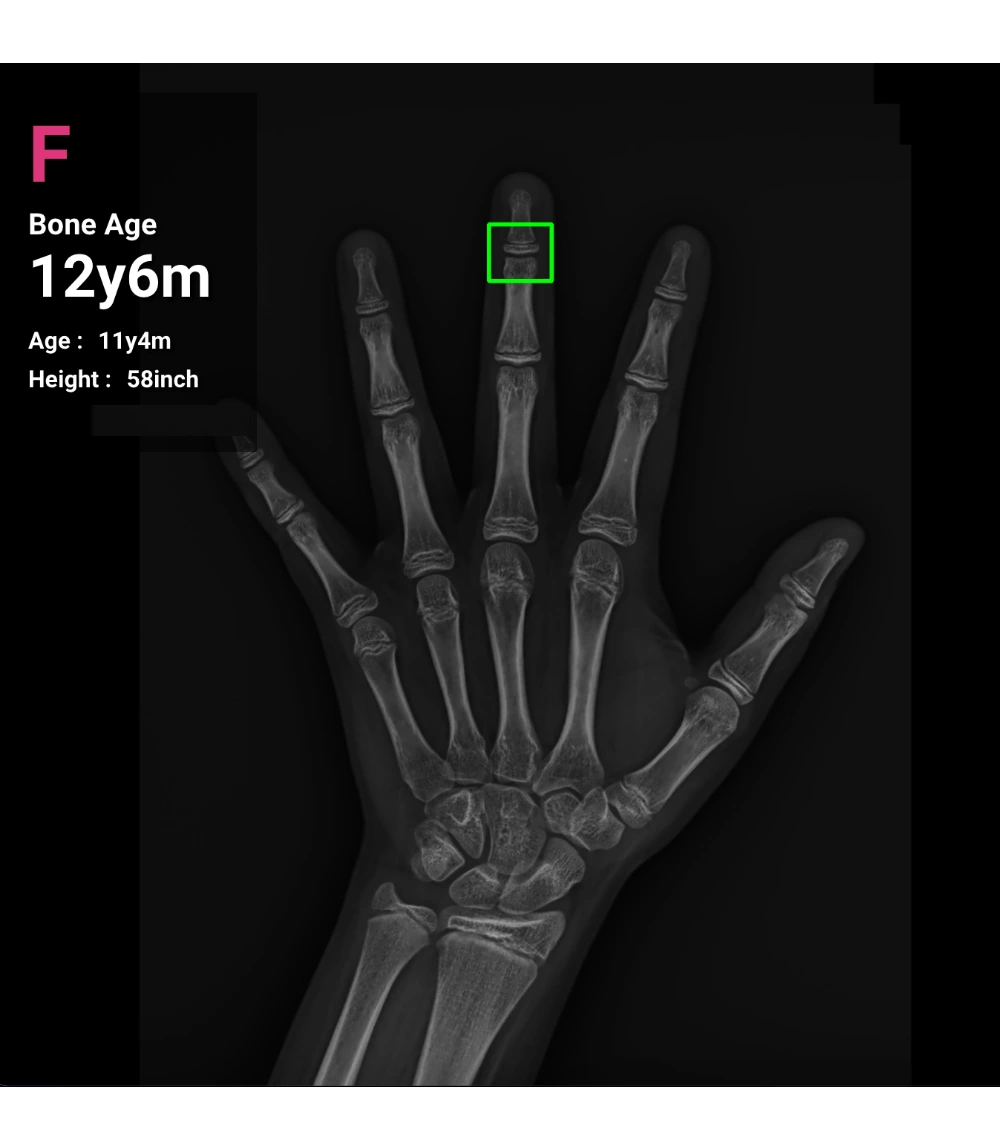
- Bone-age X-ray, to estimate remaining growth potential.
- Thyroid, nutritional, and blood sugar screening, to rule out other causes of slow growth.
- Family height pattern review, to understand genetic expectations.
- Thorough discussion of risks, benefits, and realistic goals.
A good physician will never rush this process. Each step ensures that therapy, if chosen, is both justified and individualized.
A real story from the clinic
One of my patients, a 9-year-old boy, came in well below the first percentile for height. He was healthy and bright, but his size made him hesitant to join team sports or even stand beside classmates in photos.
After a complete evaluation, we found no hormone deficiency — only idiopathic short stature. Together, his family and I decided to try GH therapy.
Within a year, his growth rate improved noticeably. But what stood out most wasn’t the number on the chart, it was his posture, his confidence, and the way he started engaging more openly with friends.
At his next visit, his parents said, “He’s not just taller, he’s happier.”
Hearing that, I felt an immense sense of professional fulfillment. As a physician, moments like these remind me why I do what I do, that growth is not just about centimeters, but about confidence, relief, and renewed joy in a child’s life. It’s deeply rewarding to witness a family’s hope being restored.
Key takeaways for parents
- “Genetics” is not the whole story. Even without deficiency, growth can sometimes be supported.
- Every case is unique. Careful testing and honest dialogue are essential.
- Safety first. Regular monitoring keeps treatment safe and effective.
- Expect variation. Results differ from child to child.
- Growth means more than height. Confidence, function, and happiness are just as important.

Final Thoughts - Growing with Hope
If your child is smaller than peers but tests show normal hormone levels, don’t lose hope.
Under the right medical guidance, growth hormone therapy for healthy children can sometimes open new possibilities for physical and emotional development.
But even beyond medicine, the most powerful growth factors remain the same: love, patience, and encouragement.
Your child’s story doesn’t have to match anyone else’s. Our shared goal is simply to help them reach their best potential, one day, one inch, and one smile at a time.
FAQs
- How long does growth hormone therapy take to show results?
Most children show measurable changes in height velocity within 6–12 months. Visible differences may take longer, depending on bone age and growth potential. - Is GH therapy painful or difficult for children?
The injections are done with a very fine needle and are usually well tolerated. Most children adjust quickly, especially when parents create a calm, positive routine. - How often are follow-up visits needed?
Typically every 3–4 months. During these visits, growth progress, IGF-1 levels, and potential side effects are checked to keep treatment safe and effective. - Can GH therapy be stopped anytime?
It can be discontinued safely under a physician’s guidance, especially when bone growth is complete or goals are achieved. Stopping abruptly without medical input is not recommended. - What if my child doesn’t respond as expected?
Response varies. Some children need dose adjustments, while others may plateau as bone age advances. Continued monitoring helps decide whether therapy should continue or pause.

Founder and Lead Physician
Meet Dr. Sung S. Choi
Join Our mailing list!
Stay informed of new blog posts and upcoming appearances!