
A Question Parents Ask — And With Good Reason
A parent once sat across from me during a consultation, hesitated for a moment, and then asked:
“Doctor… I have to ask. Does growth hormone cause cancer?”
If you’re considering growth hormone therapy for a healthy but shorter-than-average child, this concern may already be on your mind — even if you haven’t voiced it yet.
As a parent, you want to help your child reach their full height potential.
But of course, you would never want to take a risk with something as serious as cancer.
That reaction isn’t anxiety.
It’s instinct.
And it’s good parenting.
So let’s talk clearly and honestly about what long-term research actually shows — where this concern comes from, what’s true, and what’s not.
I’m Dr. Choi, a board-certified physician with over 20 years of clinical experience in medicine.
Since founding my growth clinic in 2021, my team and I have guided more than 2,500 children across the United States through their growth journeys.
From the very beginning, our guiding principle has been simple:
In medicine — not just growth care — there is one non-negotiable principle:
Do no harm. Safety must always come first.
Where the Cancer Concern Comes From
Many parents encounter alarming headlines online that say things like:
- “Growth hormone causes cancer”
- “GH increases cancer risk”
- “Hormones make tumors grow”
It’s understandable why this would stop you in your tracks. Here’s the key concept that often gets lost in online discussions: Growth hormone does NOT create cancer cells.
For a normal cell to become cancerous, its DNA must first be damaged or mutated.
Growth hormone:
- Does not damage DNA
- Does not cause mutations
- Does not turn normal cells into cancer cells
What growth hormone does is support growth in cells that already exist.
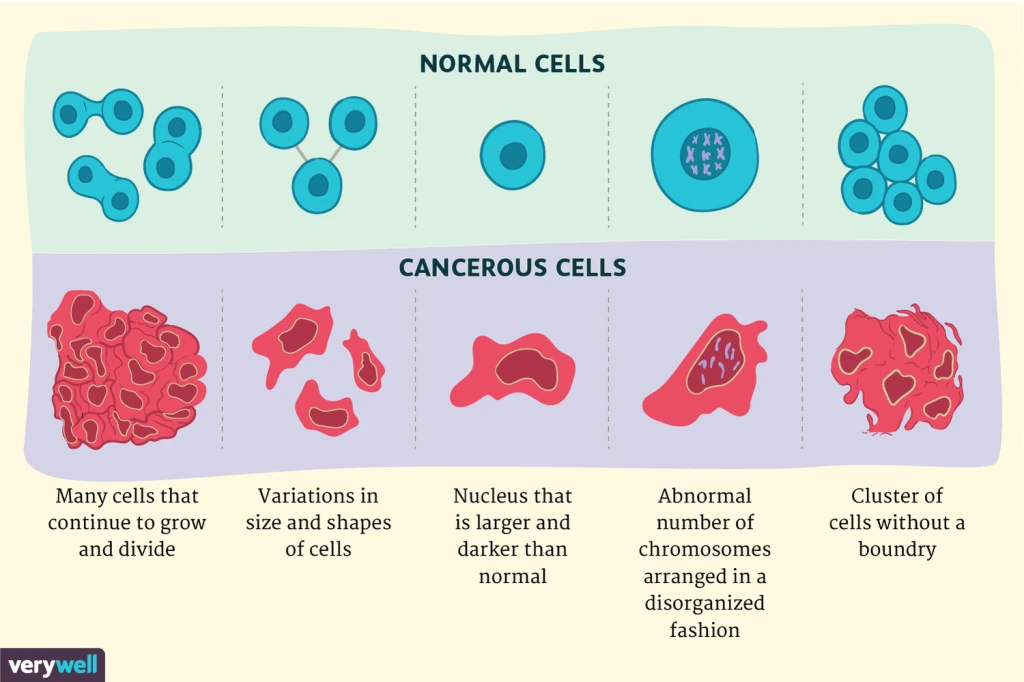
In simple terms:
- Growth hormone supports normal growth
- It does not initiate cancer
Children Already Have Growth Hormone in Their Bodies
This is an important point that often gets overlooked.
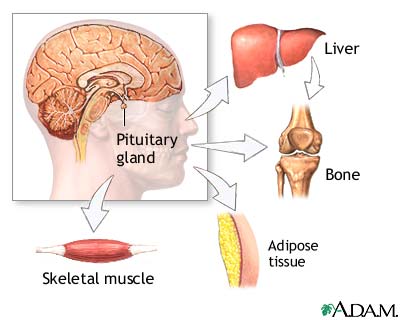
Every child naturally produces growth hormone.
This hormone plays a critical role in normal development, including:
- Height development
- Bone strength
- Muscle growth
- Tissue repair and healing
What many parents don’t realize is that growth hormone injections are not artificial or foreign substances.
The growth hormone used in treatment today is bioidentical — meaning it is an exact replica of the growth hormone the human body naturally makes.
Your child’s body recognizes it as the same hormone it already produces.
Rather than forcing abnormal growth, growth hormone therapy simply supports and gently boosts the body’s own natural growth process, helping it work more effectively when growth potential needs extra support.
In that way, growth hormone therapy acts like a carefully controlled “growth booster” — enhancing what the body already knows how to do —not creating abnormal or uncontrolled growth.
The Critical Distinction Parents Need to Understand
There is one important distinction that parents need to clearly understand before discussing cancer risk.
Growth hormone can help any cell grow.
That includes:
- Healthy cells
- And potentially cancer cells if they already exist
This is why growth hormone must never be used in:
- Anyone with active cancer
- Anyone with a history of cancer
Growth hormone does not create cancer.
But if cancer cells already exist, GH can make them grow faster.
That is why growth hormone therapy follows strict medical rules — and why proper screening is never optional.
Why Proper Screening Is Non-Negotiable
Before starting growth hormone therapy, every child should undergo:
- Detailed medical history review
- Screening blood tests
- Ongoing monitoring throughout treatment
These steps are designed to ensure there is no hidden condition that could be affected by growth hormone.
For healthy children who are properly screened, growth hormone therapy supports normal growth safely.
This is exactly why growth hormone therapy should never be casual, rushed, or handled without close physician oversight.
What Does Long-Term Research Actually Say?
This is often the most reassuring part for parents. Large, long-term studies have followed thousands of children treated with growth hormone into adulthood.
And the results are consistent:
For healthy children who are carefully screened, growth hormone therapy does not increase cancer risk. Children who received growth hormone had the same cancer rates as children who never used it.

What Keeps Growth Hormone Therapy Safe
When growth hormone therapy is done responsibly, safety is built into every step:
- Screening before treatment
- No GH use with active or past cancer
- Carefully calculated, weight-based dosing
- Regular follow-up and monitoring
This is why physician-guided care matters.
Addressing the Emotional Side of This Decision
Many parents carry an underlying fear:
“Am I doing too much?”
“Should I just let nature decide?”
“What if I regret this later?”
These feelings are normal.
Choosing growth hormone therapy for a healthy child is not about vanity or pressure.
For many families, it’s about:
- Supporting confidence
- Reducing long-term social stress
- Helping a child feel more comfortable in their own body
When done ethically and safely, growth hormone therapy is supportive — not harmful.
Frequently Asked Questions (FAQ)
1. Does growth hormone therapy cause cancer later in life?
No. Long-term studies show no increased cancer risk in healthy, properly screened children.
2. Can growth hormone make cancer grow faster?
Yes, which is why GH is never used in anyone with active or past cancer.
3. Is growth hormone safe for short but healthy children?
When prescribed by a physician, carefully dosed, and closely monitored, research supports its safety.
4. Why is screening so important before treatment?
Screening ensures there are no hidden medical conditions that could be affected by growth hormone therapy. Baseline testing also allows doctors to dose safely and monitor changes over time. This is why proper screening is the foundation of safe, responsible growth hormone care.
Final Thoughts: Safety, Clarity, and Confidence
So — does growth hormone therapy cause cancer?
For healthy children, the answer is no.
What keeps it safe is not guesswork, but:
- Science
- Screening
- Responsible medical care
When growth hormone therapy is used thoughtfully and under expert supervision, it supports healthy and balanced growth.
And when parents truly understand growth, children grow with confidence.

Founder and Lead Physician
Meet Dr. Sung S. Choi
Join Our mailing list!
Stay informed of new blog posts and upcoming appearances!
Frequently Asked Questions (FAQ)
1. At what age should I start posture exercises for my child?
Children as young as 6 or 7 years old can begin gentle posture exercises, as long as they can follow simple instructions. The key is supervision and keeping movements fun and brief — consistency matters far more than intensity.
2. Can slouching affect my child’s height or growth?
3. How long does it take to see improvement?
4. Is it safe for children to use resistance bands?
5. What if my child’s slouching seems severe or one-sided?
6. How can I help my child maintain good posture at school?