
Stop These 3 Foods That Can Interfere with Your Child’s Healthy Growth
As both a doctor and a mom, there are three foods I simply don’t buy for my kids. Not because I’m strict, but because over years of caring for children, I’ve seen how certain everyday foods — the ones most families consider harmless — can influence a child’s natural growth rhythm in ways we often overlook.
I’m a board-certified Physical Medicine and Rehabilitation physician with over 20 years of clinical experience in medicine. Since founding my clinic in 2021, I’ve focused on helping children achieve healthy, confident growth through comprehensive, evidence-based care. To date, I have personally evaluated and treated more than 3,000 pediatric patients, each with their own growth story.
Through that experience, I’ve learned that healthy growth isn’t just about genetics — it’s about rhythm and balance. The foods children eat every day can either support or subtly disrupt that process.
In this article, I’ll share the three foods I avoid, why they can interfere with a child’s healthy growth pattern, and what I recommend instead to help kids thrive — naturally, steadily, and without unnecessary restrictions.
Food #1: Sugary Breakfast Cereal
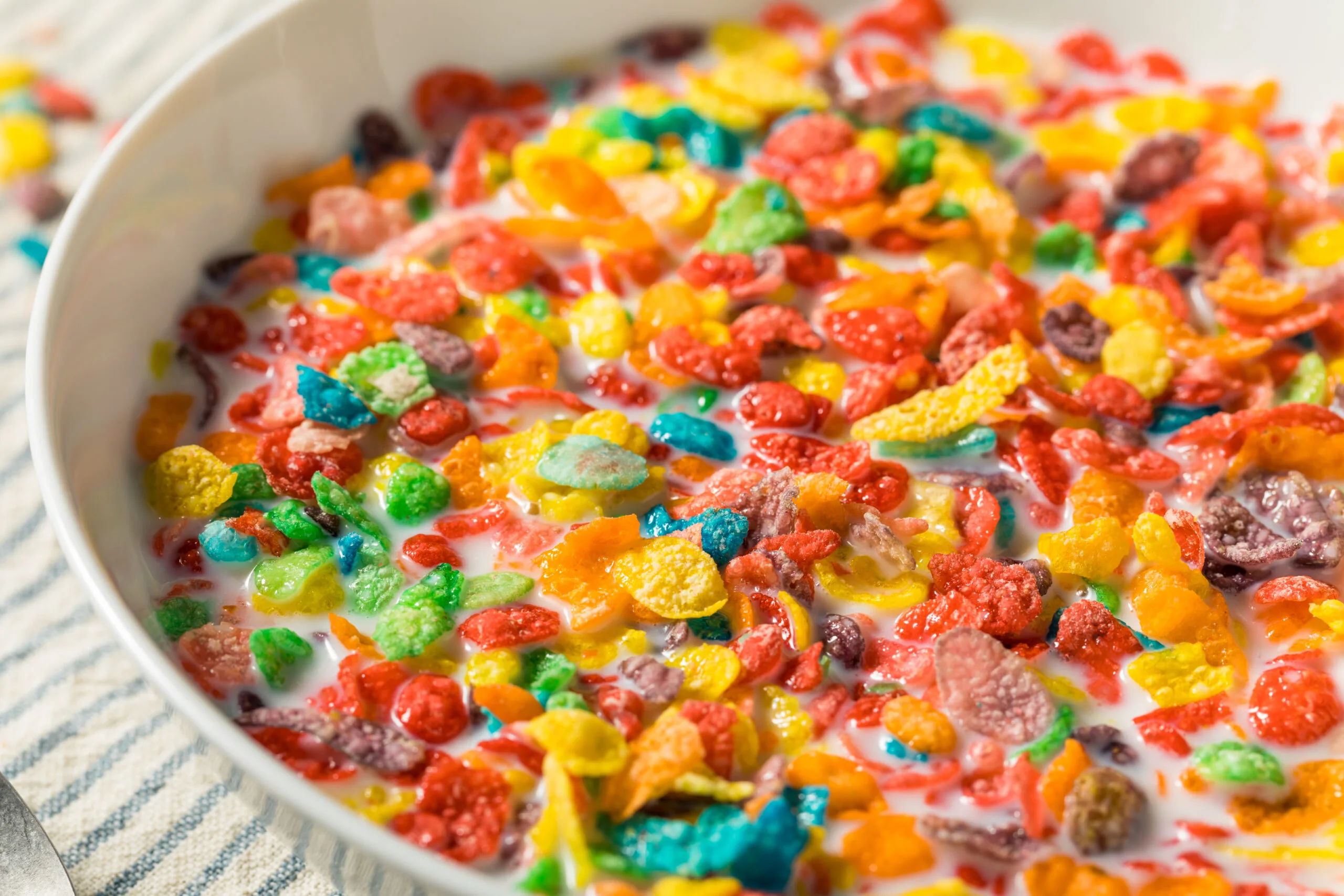
It looks harmless—sometimes even healthy. The box promises “whole grain,” “fortified with iron,” or “high in protein.”
But when you flip it over, the ingredient list often tells another story. You’ll find high fructose corn syrup, malt syrup, and sugar in several different forms. Many cereals also contain artificial dyes and flavorings that make them look brighter and more appetizing to children.
When children start their morning this way, their blood sugar rises sharply, and the body releases insulin to bring it back down. That insulin surge can temporarily suppress growth hormone (GH) activity, just when the body is primed to use GH for tissue repair and bone development after sleep. Over time, the pattern of high morning sugar followed by mid-morning fatigue can create a rhythm that works against healthy growth.
Mini-Science: How Sugar Affects Growth Hormone
Growth hormone is secreted in pulses, especially overnight and in the early morning. Frequent insulin spikes from sugary foods reduce the body’s sensitivity to these pulses. The result: fewer “grow now” signals reaching bones and muscles throughout the day.
A Better Start for Healthy Growth
Children don’t need fancy superfoods in the morning—they need steady energy and natural protein. Try:
- Scrambled eggs with whole-grain toast
- Greek yogurt with berries and a sprinkle of nuts or oats
- Peanut or almond butter on whole-grain bread with a glass of milk
- Overnight oats made with milk, chia seeds, and fresh fruit
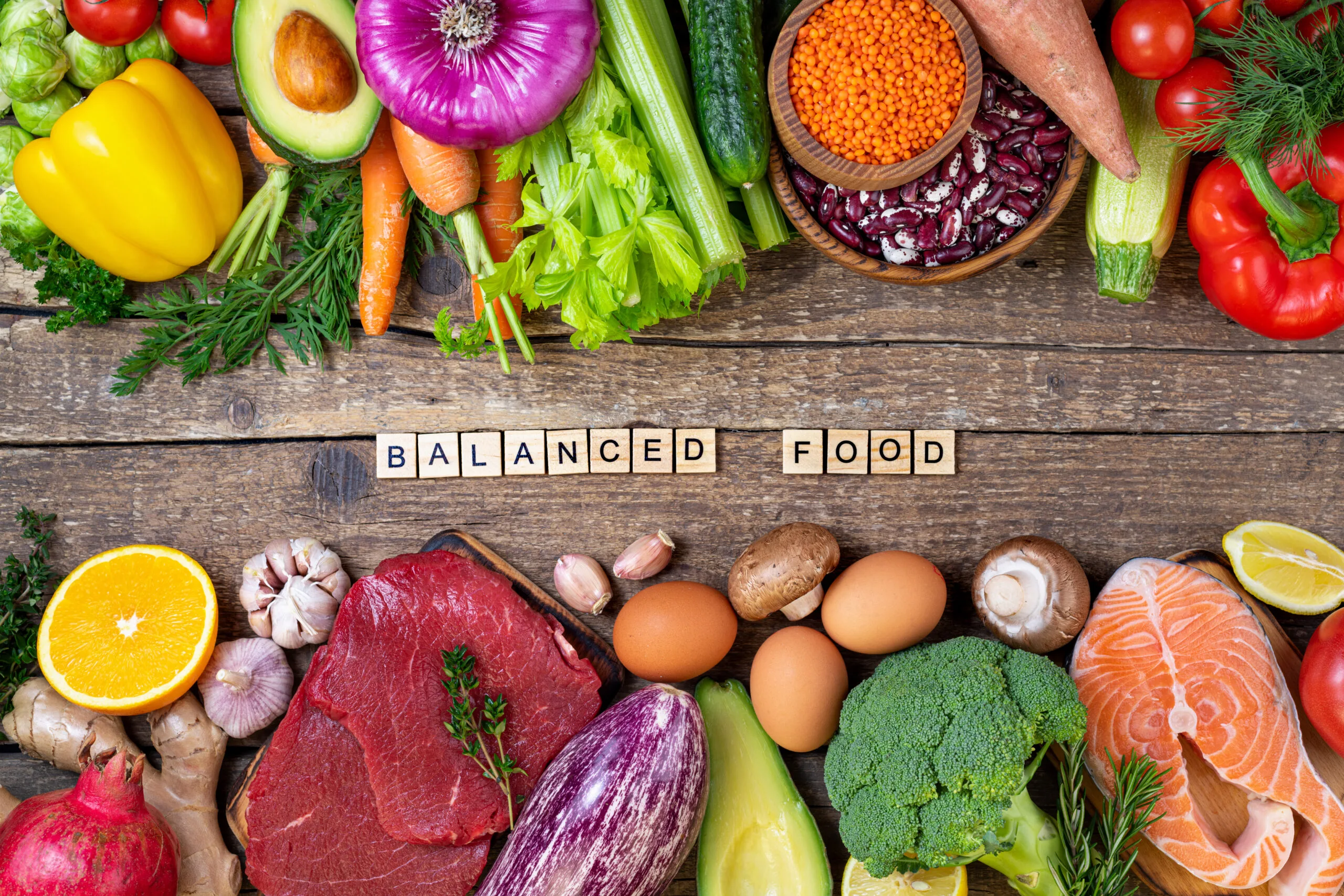
These breakfasts balance protein, complex carbohydrates, and healthy fats, supporting focus at school and setting up the body’s natural hormone rhythm for the day.
If cereal is a non-negotiable comfort, mix it half-and-half with low-sugar granola or plain oats. Gradually reduce the portion of the sweet cereal over a few weeks—children often adjust without complaint when the change is slow and consistent.
healthy growth rhythm.
Food #2: Fruit Juice and Sports Drinks
Fruit juice often feels like a healthy choice — the label says “100% juice,” and the picture shows bright, fresh fruit. But what’s inside the bottle tells another story. Once the fiber is removed, what remains is essentially sugar water.
Whole fruit contains natural fiber that slows sugar absorption, keeping blood sugar levels steady and helping children feel satisfied. Fruit juice, without that fiber, floods the bloodstream with sugar all at once. The body releases insulin to bring levels down, leading to a quick burst of energy followed by fatigue and loss of appetite for the next real meal.
Too much fructose from fruit juice can also cause fat to build up in the liver.
When a lot of fructose enters the body at once — like when kids drink fruit juice — the small intestine can’t absorb all of it. The extra fructose goes to the liver, where it turns into fat. Over time, this fat can build up and lead to fatty liver.
Sports drinks aren’t much better. A single 20-ounce bottle can contain 36 grams of sugar — about 9 teaspoons. Unless a child is training for long, intense activity, that much sugar simply isn’t necessary.
Mini-Science: Why Liquid Sugar Works Differently
Drinks without fiber, like juice or sports beverages, are absorbed almost instantly. The rapid rise in blood sugar and insulin can dampen the body’s growth rhythm by dulling appetite and altering hormone balance.
Smarter Hydration Choices
Children don’t need to give up flavor — they just need better options:
- Water first. Keep a reusable bottle nearby throughout the day.
- Milk (or a fortified alternative) adds protein, calcium, and vitamin D for bone development.
- Electrolyte drops or a pinch of salt with citrus slices in water work well for sports days.
- Whole fruit instead of juice. It satisfies the craving while delivering fiber and vitamins that support healthy growth.

Food #3: Packaged Snack Foods
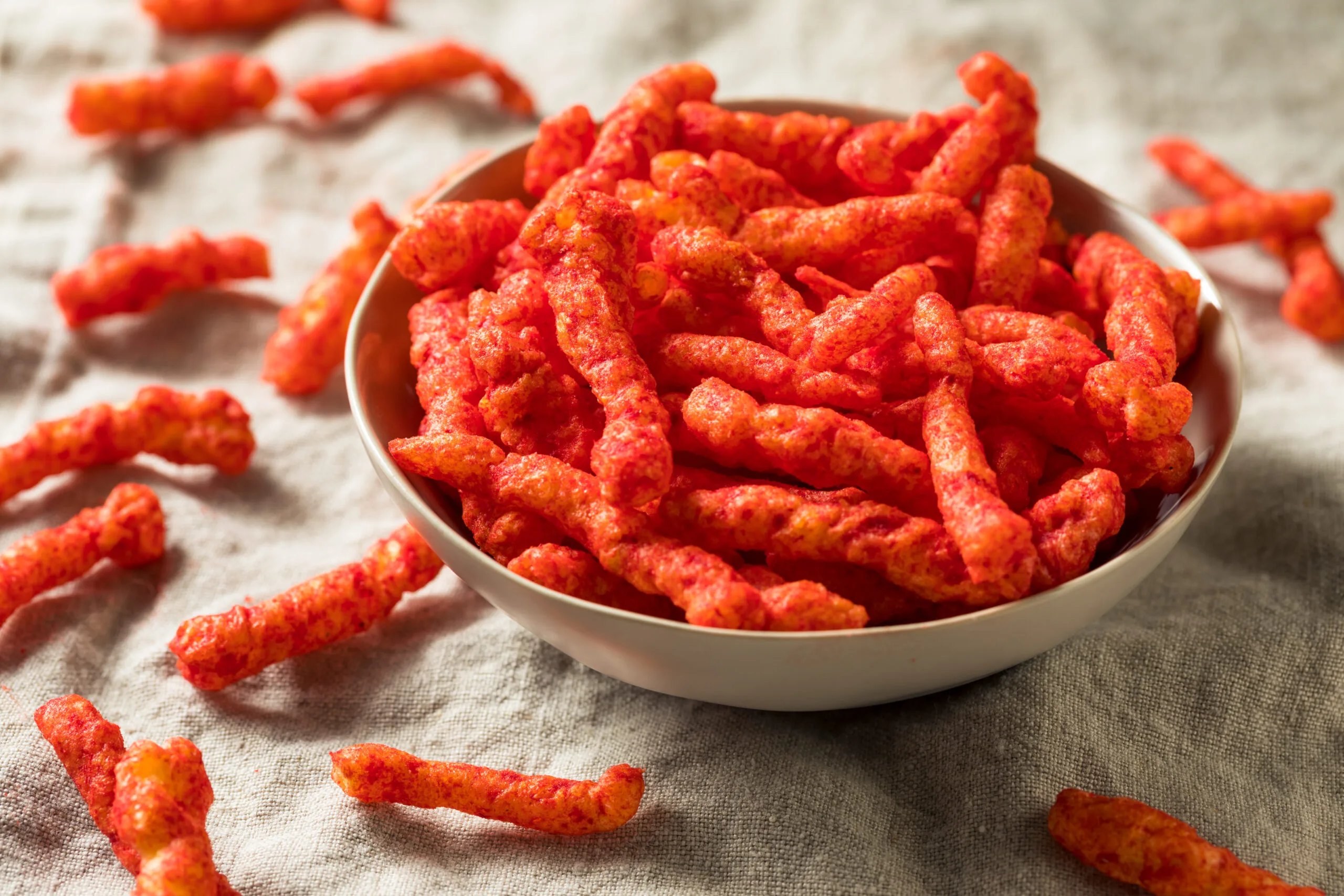
Chips, crackers, gummies—they’re everywhere, and they’re easy. But most packaged snacks share the same pattern: refined starch, salt, and additives that give quick satisfaction without providing what a growing body truly needs.
Many of these snacks are low in protein and calcium, yet high in sodium, which can increase calcium loss through urine. Some also contain artificial colors, preservatives, or flavor enhancers that may promote low-grade inflammation in the body. Over time, that can subtly interfere with bone development and appetite regulation.
Mini-Science: How Salt and Additives Affect Growth
Excess sodium causes the body to excrete more calcium—one of the key minerals needed for strong bones. Meanwhile, certain artificial additives can increase oxidative stress, making the body less efficient at using nutrients for growth.
Smarter Snack Choices
Children naturally love to snack—and that’s okay. The goal isn’t to eliminate snacks but to make them work for growth rather than against it.
Try offering these options instead:
- Cheese sticks or yogurt cups — rich in protein and calcium for growing bones.
- Boiled eggs with whole-grain crackers — balanced energy and essential amino acids.
- Fruit with nut butter — adds fiber, healthy fats, and natural sweetness.
- Hummus with carrots or cucumbers — a crunchy, satisfying way to add minerals and protein.
- Mini sandwiches with turkey, cheese, or peanut butter — portable and filling.
When your child comes home hungry after school, offer one of these “growth snacks†right away. It helps them refuel without spoiling dinner and keeps blood sugar steady for the rest of the evening.
Small Changes, Real Growth
A few months ago, I met a 9-year-old boy whose parents were worried because he hadn’t grown much in the past year. His medical tests were normal, but his growth chart had flattened.
When we reviewed his daily routine, a pattern appeared: sugary cereal at breakfast, juice and chips after school, and a small dinner because he wasn’t very hungry. It was the same cycle I see so often—too much quick sugar early in the day, then not enough real nutrition when it counts.
We started with simple, realistic changes:
- Replacing sweet cereal with eggs and toast in the morning.
- Switching juice to milk or water.
- Offering protein-rich snacks instead of chips after school.
Within a few weeks, his appetite returned. He had more steady energy and started finishing his dinners again. At his next visit, his growth velocity had improved—not dramatically, but clearly. His parents said they finally felt relieved, realizing that simple, consistent habits could truly make a difference.
“Small food changes. Big growth.â€
Growth isn’t about perfection. It’s about providing the body with the right fuel, day after day, and trusting the process to do its work.
Closing Message: Helping Your
Child Grow with Confidence
Growth is never just about genetics. It’s about rhythm—steady meals, balanced sleep, and the small choices that shape the body every single day.
The truth is, children don’t need perfection. They need parents who notice, understand, and can make thoughtful, step-by-step changes. Each real breakfast, each better snack, each skipped sugary drink—it all builds the foundation for stronger bones, better energy, and confident growth.
If this article helped you see your child’s nutrition in a new way, share it with another parent who might need reassurance too.
By spreading better information, we can help every child grow into their best, healthiest self.

Frequently Asked Questions
1. My child is short but healthy. Can nutrition alone help?
In many cases, yes. When children eat protein-rich meals, avoid excess sugar, and get enough sleep, growth hormone rhythms stabilize naturally. Over several months, their growth velocity often improves. It’s not overnight change—but it’s real, sustainable progress.
2. What if my child is a picky eater?
Start small. Pair familiar foods with new ones, and add protein to something they already like. Keep mealtimes calm and positive. Appetite and variety grow best when pressure goes down.
3. How much sugar is too much for children?
For most school-age children, the American Heart Association recommends no more than 25 grams (6 teaspoons) of added sugar per day. Many cereals, juices, and snacks exceed that in a single serving. The American Heart Association also limits sugar-sweetened beverages to 8 ounces (about 1 cup) or less per week — ideally none.
4. Are sports drinks ever necessary?
Usually, no. For typical school or recreational play, water is enough. For longer, high-intensity practices lasting over an hour, you can add electrolyte drops or a pinch of salt with lemon to water. It replaces minerals without the sugar surge.
5. How can I encourage better snacking habits after school?
Children are often genuinely hungry when they come home. Offer a “growth snack†right away—like cheese and fruit, a boiled egg with crackers, or yogurt with nuts. These balance blood sugar and keep children satisfied until their next meal.