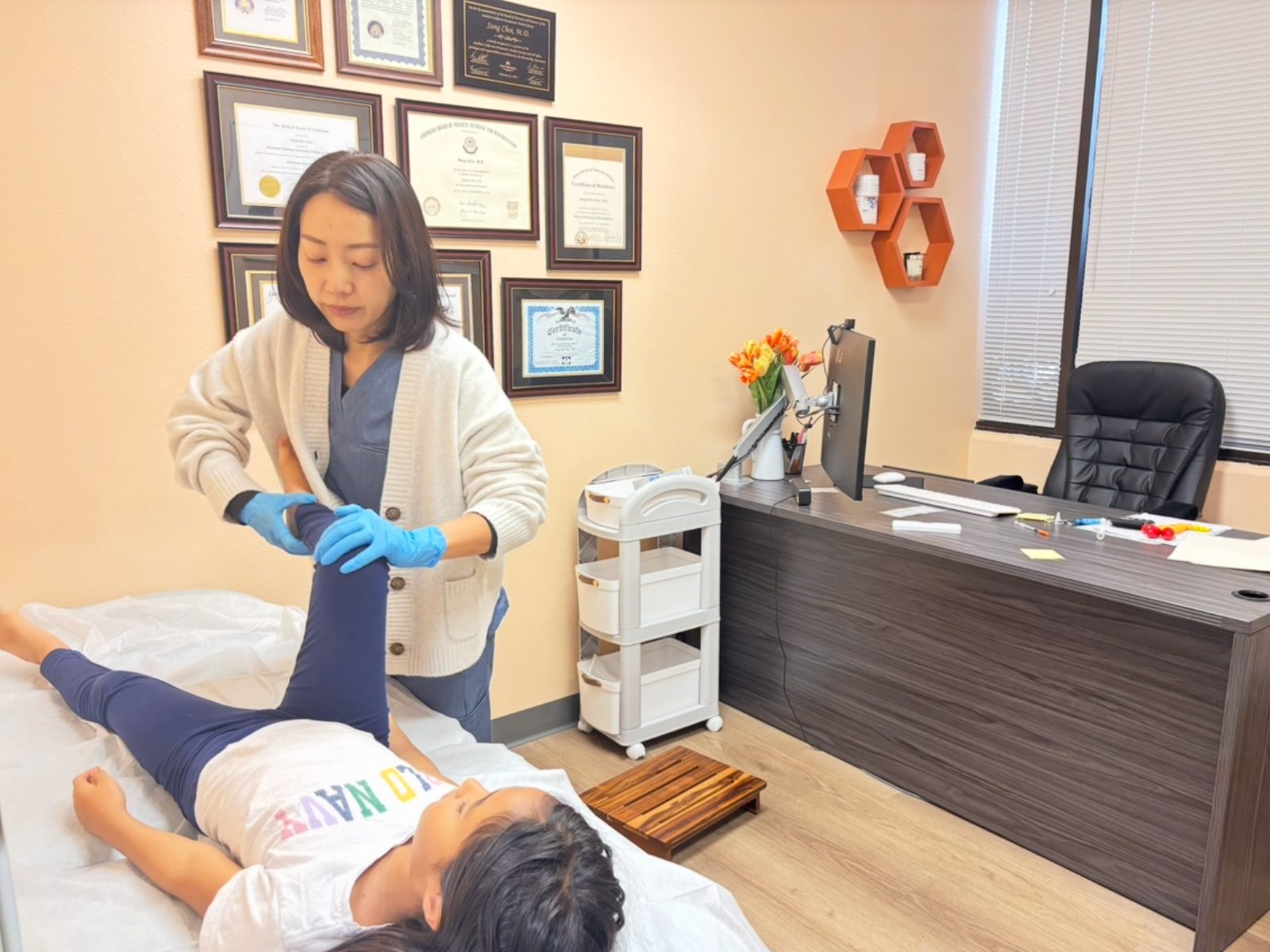
“He says his legs hurt almost every night, but by morning he’s running around like nothing happened. Should I worry?”
“My 12 year old says the spot just below his kneecap hurts every time he jumps or kneels, and now there’s a small bump there. Is that still growing pains?”
“Every time his legs hurt, my husband says he’s about to shoot up. But he’s still the shortest in his class. Do these pains actually mean he’s growing?”
It’s natural to feel unsure. The pain comes and goes, your child seems fine most of the day, and you don’t want to overreact or miss something real. I’m Sunjo Chung, a Nurse Practitioner at I Grow Clinic, and leg pain is one of the most common worries parents bring to me. I want to help you tell whether your child’s pain is ordinary growing pains or something that deserves a closer look.
Why Families Trust I Grow Clinic
| Credential | Detail |
|---|---|
| Children guided | 4,000 with precision growth strategies |
| Treatment retention | 95% rate, reflecting exceptional outcomes and family trust |
| Approach | Meticulous 1:1 personalized management using AI driven bone age analysis |
| Medical Director | Board Certified by the American Board of Physical Medicine and Rehabilitation (ABPMR) |
| Experience | 20+ years specializing in Pediatric Growth and Developmental PM&R |
| Reputation | 5 Star Google Rating with numerous testimonials |
| Telehealth | Available in CA, NY, WA, FL, and TX |
Are Growing Pains Real, and What Causes Them?

Growing pains in legs are one of the most common complaints parents bring up at checkups, and yes, they are real. A child is not imagining the ache, even though nothing on an X-ray or blood test will ever show it.
The classic pattern looks like this. The pain is a dull, achy, sometimes cramping feeling, usually in the thighs, the calves, or the knees. The pain shows up in both legs, not just one. It tends to come in the late afternoon, evening, or at night, and it can even wake a child from sleep. By morning, the child is back to normal, running and playing with no limp and no lingering stiffness.
Doctors do not know exactly what causes growing pains. The name itself is a little misleading, since the pain is not actually caused by bones lengthening. The most likely explanation is ordinary muscle fatigue from a day of running, jumping, and climbing, the same kind of ache an adult feels after an unusually active day at the gym.
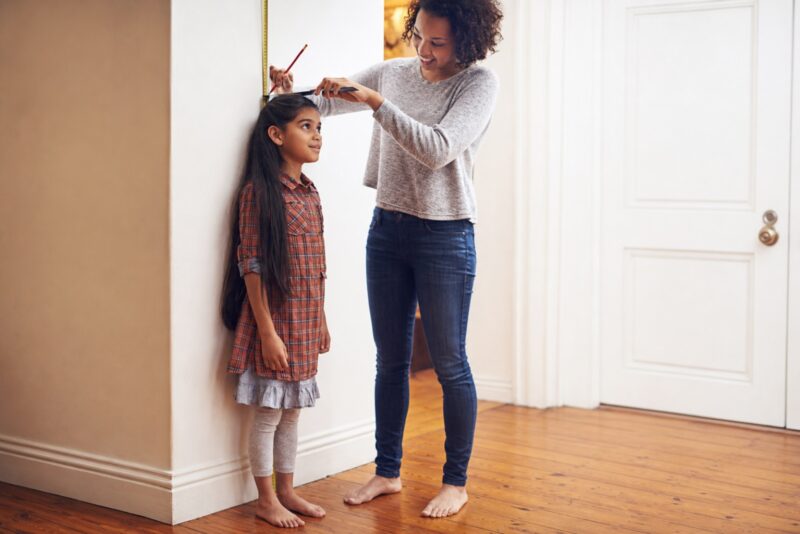
This also answers one of the questions parents ask most: do growing pains mean a child is getting taller? They do not. Cleveland Clinic is direct about this. The pain is not related to how fast a child’s bones are growing, and a child with frequent growing pains is not necessarily on track to be any taller than a child who never has them at all. If you want a real signal of how your child’s growth is progressing, that comes from tracking their height over time, not from how sore their legs feel at night.
🔍 If you are trying to understand what actually drives your child’s height, this is a useful next read. Bone Age vs. Chronological Age: Is Your Child’s Biological Clock Ticking Too Fast?
Is It Growing Pains or a Sports Injury? How to Tell the Difference
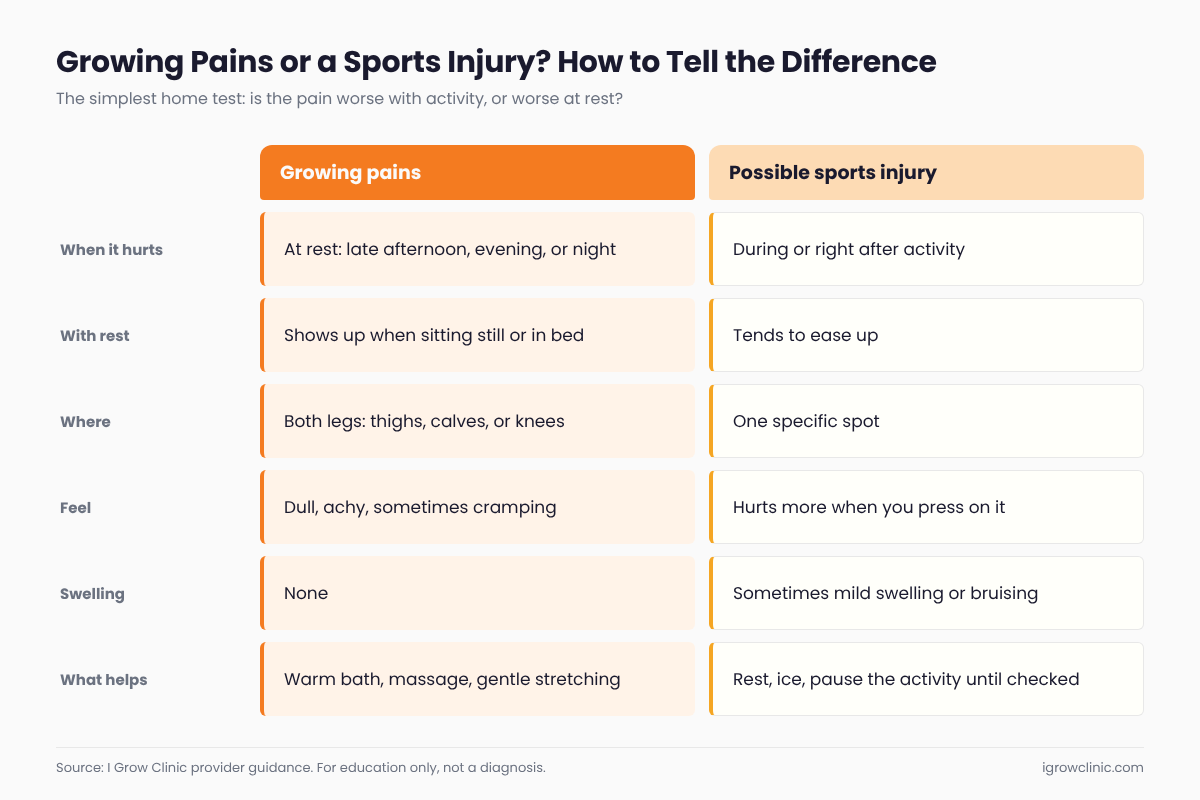
Here is the simplest test you can use at home. Ask whether the pain gets worse with activity or worse at rest.
Growing pains show up at rest. Your child can play all day, finish practice, and seem completely fine, then start complaining once they are sitting still or lying in bed. The pain is dull, not sharp, there is no swelling, and pressing on the area does not make it worse.
A sports injury works the other way. The pain gets worse during or right after activity and tends to ease up with rest. There is often one specific spot that hurts when you press on it, and sometimes mild swelling or bruising. Pain that started during practice, right after a fall, or right after a new activity points toward an injury, not growing pains.
The care looks different too. For growing pains, simple comforts like a warm bath, massage, and stretching usually help (more on that in the next section). For a suspected injury, the standard approach is rest, ice, and holding off on the activity that caused it until it has been looked at.
One more pattern worth knowing. Growing pains almost never show up only during the school day or only during a specific sport. If your child’s leg pain is tied to one activity, one position, or one specific movement, that is a sign pointing toward a sports injury or a localized strain rather than growing pains.
🔍 Since growing pains classically show up at night, this is worth a look too. Does Sleep Affect Your Child’s Height? What Every Late Bedtime Costs
How to Relieve Growing Pains in Legs, Especially at Night
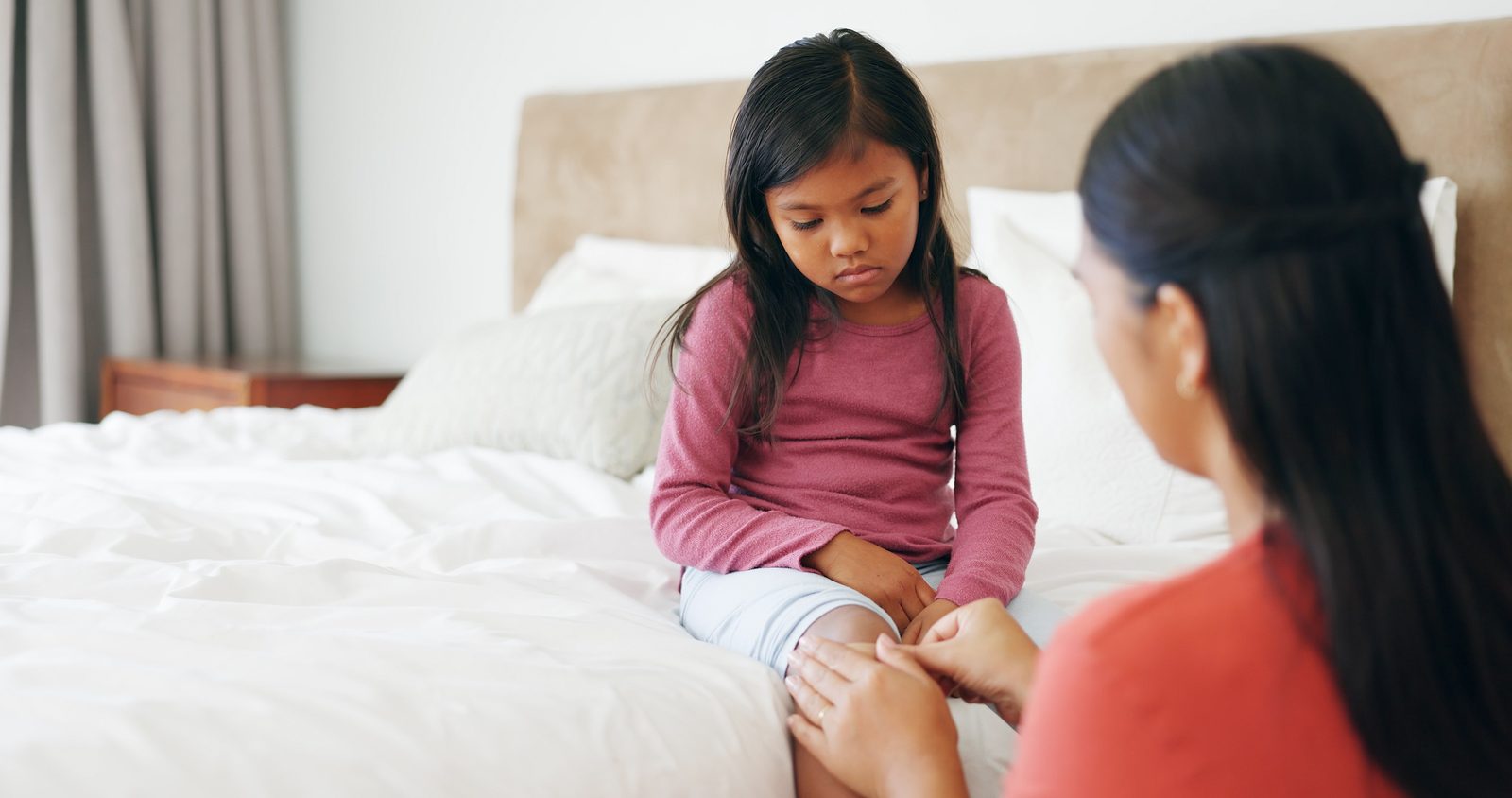
When your child wakes up crying with achy legs, the goal is simple: ease the muscles and help them settle back to sleep. Growing pains don’t need treatment to go away, but a few simple steps usually make the night easier.
A warm bath or a heating pad on low (never directly on the skin) before bed can relax tired leg muscles. A gentle massage of the thighs and calves often helps too, and many children find the attention comforting on its own. Light stretching of the thigh and calf muscles before bed is a low risk habit that is worth building, whether the pain turns out to be growing pains or not.
On a particularly bad night, a standard children’s dose of a pain reliever can help. These steps are meant for the dull, at rest pain typical of growing pains. If the pain started during activity, stays in one spot, or comes with swelling, treat it as a possible injury instead and see the signs below.
What If the Pain Is Only in One Leg, or Doesn’t Go Away?
This is the question that worries parents the most, and for good reason. Growing pains in one leg can still happen. A child can have pain on the right side one night and the left side the next, and that alternating pattern is still considered normal.
What is not typical is pain that stays on one side, night after night, with no switching back and forth. That pattern deserves a closer look rather than automatic reassurance. The same goes for pain that keeps returning to the exact same spot, like one knee, every time.
Location matters too. Growing pains almost always show up in the thighs, calves, or the knees. If your child is complaining of foot pain specifically, growing pains are a less likely explanation, since the feet are not a typical growing pains location.
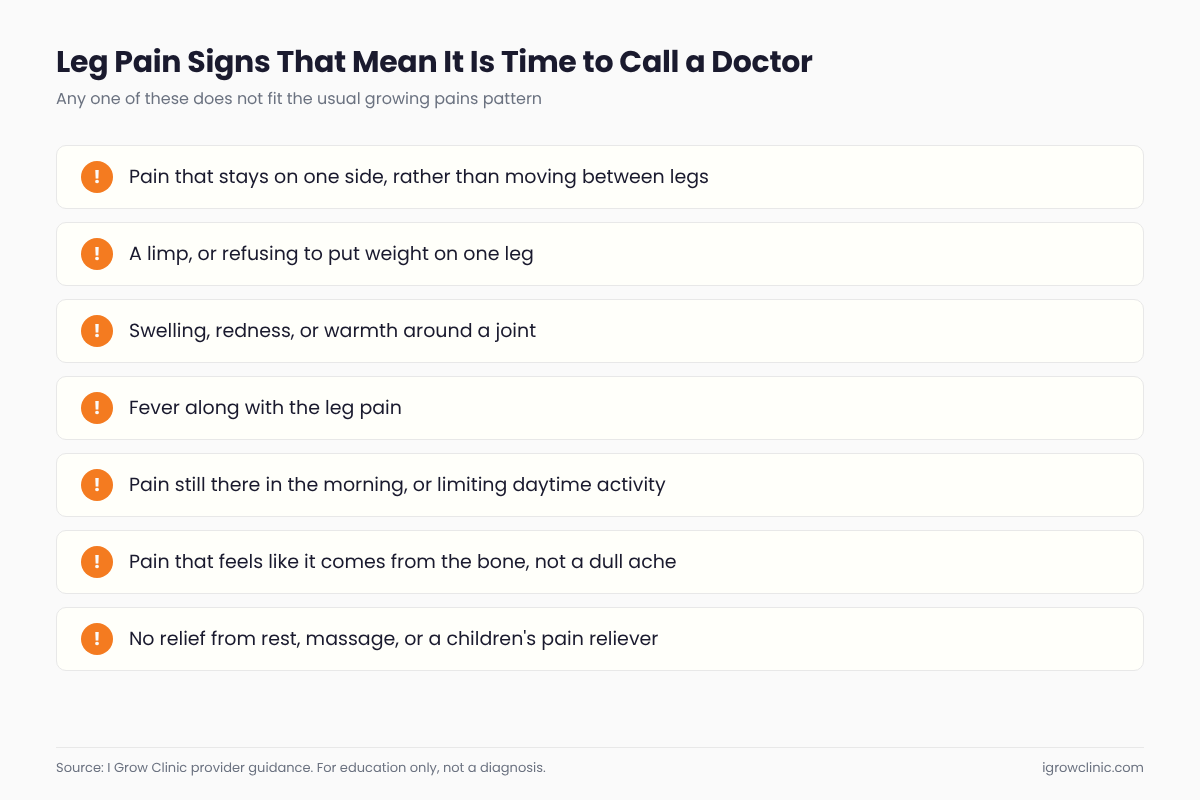
Here are the signs that mean it is time to call a doctor rather than wait it out.
- Pain that stays on one side consistently, rather than moving between legs
- A limp, or your child refusing to put weight on one leg
- Swelling, redness, or warmth around a joint
- Fever along with the leg pain
- Pain that is still there in the morning, or that limits normal activity during the day
- Pain that feels like it is coming from the bone itself, rather than a dull muscle ache
- Pain that does not respond at all to rest, massage, or a dose of a normal children’s pain reliever
Most of the time, one of these signs points to something straightforward, like a muscle strain, a mild injury, or ordinary joint inflammation. In rare cases, persistent bone pain with other symptoms can be an early sign of something more serious, like a blood disorder. That is why pain that does not fit the usual pattern should be checked by a doctor.
🔍 If a growth concern turns out to be more than growing pains, this is a good place to start. Your Child’s Height Percentile Dropped This Year: Should You Worry?
When It Makes Sense to Ask About a Growth Check
Growing pains and an actual growth concern are two different conversations, and it helps to know when to raise the second one. Consider asking about a growth evaluation if you notice any of these, separate from the leg pain itself.
- Your child is growing less than about 2 inches a year
- Their height has been dropping across percentile lines at checkups
- They are noticeably shorter than most of their friends and shorter than your family pattern would predict
- Puberty signs are showing up very early or very late compared to peers
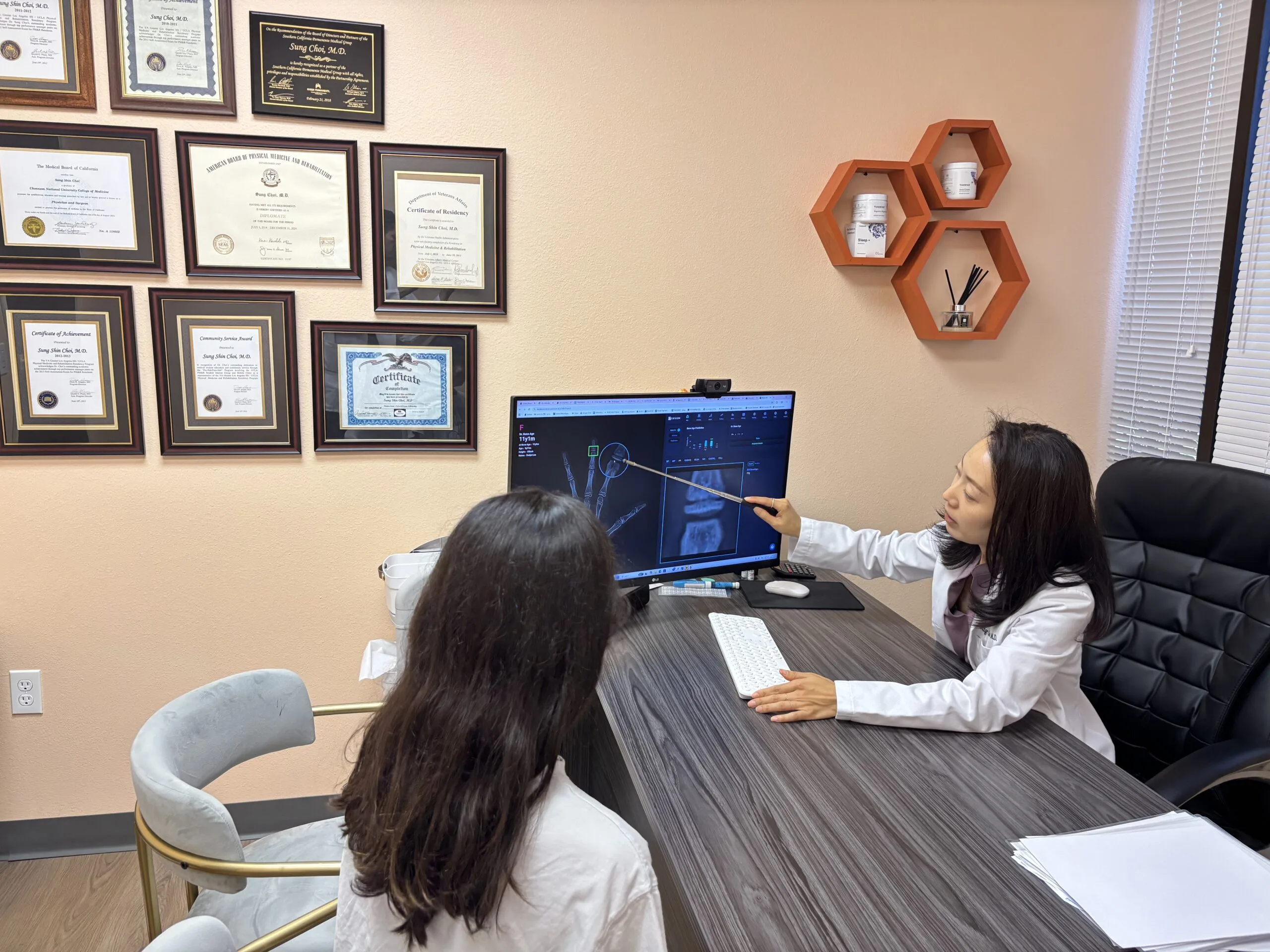
If any of these sound familiar, a growth plate evaluation is the right next step. It shows how much growing time your child has left.
🔍 For other simple habits that support healthy growth, this is worth a read. 3 Exercises to Fix Slouching and Rounded Shoulders in Children
Most nights, a sore leg really is just a sore leg. But you do not have to guess which kind you are looking at. If something about your child’s pattern does not fit what is described here, or if a growth concern is also on your mind, a real evaluation can tell you which one you are dealing with, rather than leaving you to decide alone.
🔍 To understand why we built a clinic around giving parents real answers instead of guesses, read this. Why I Started a Growth Hormone Clinic
FAQ: What Parents Ask About Growing Pains in Legs
1. What are growing pains?
Growing pains are a real but benign pattern of leg aching in children, usually felt in the thighs, calves, or the knees. They are not caused by bones actually growing, and they typically show up in the evening or at night, then disappear by morning with no lasting effect on the child’s activity.
2. How to relieve growing pains in legs at night?
A warm bath, a gentle massage of the sore muscles, and light stretching before bed are the most commonly recommended measures. A standard children’s dose of a pain reliever can help on a particularly bad night. These steps are meant for the dull, at rest pain typical of growing pains, not for pain that started during activity.
3. When do growing pains stop?
Growing pains most commonly affect children between ages 3 and 12, with many kids outgrowing them by their early teens. Some children have occasional episodes for a few years, while others barely notice them. There is no fixed age when they end for every child.
4. Is leg pain in only one leg still growing pains?
It can be, especially if the pain alternates between legs over different nights. What is less typical is pain that stays on the same single leg every time, night after night. That consistent one sided pattern is worth mentioning to your child’s doctor rather than assuming it will pass.
5. Do growing pains mean my child is getting taller?
No. Growing pains are not connected to how quickly a child’s bones are lengthening, and having them does not predict a growth spurt. A child’s actual height trajectory is tracked through regular measurements over time, not through how often their legs ache at night.