“I searched ‘height clinic near us’ and the first result was a limb lengthening surgery center.”
“Our pediatrician told us she’s healthy, just short. I don’t know if that means we skip a specialist entirely or if there’s something else we should be checking.”
“Every result I clicked on was either a med spa selling peptides to adults or a weight loss clinic. I couldn’t find a single place that actually specializes in children’s growth.”
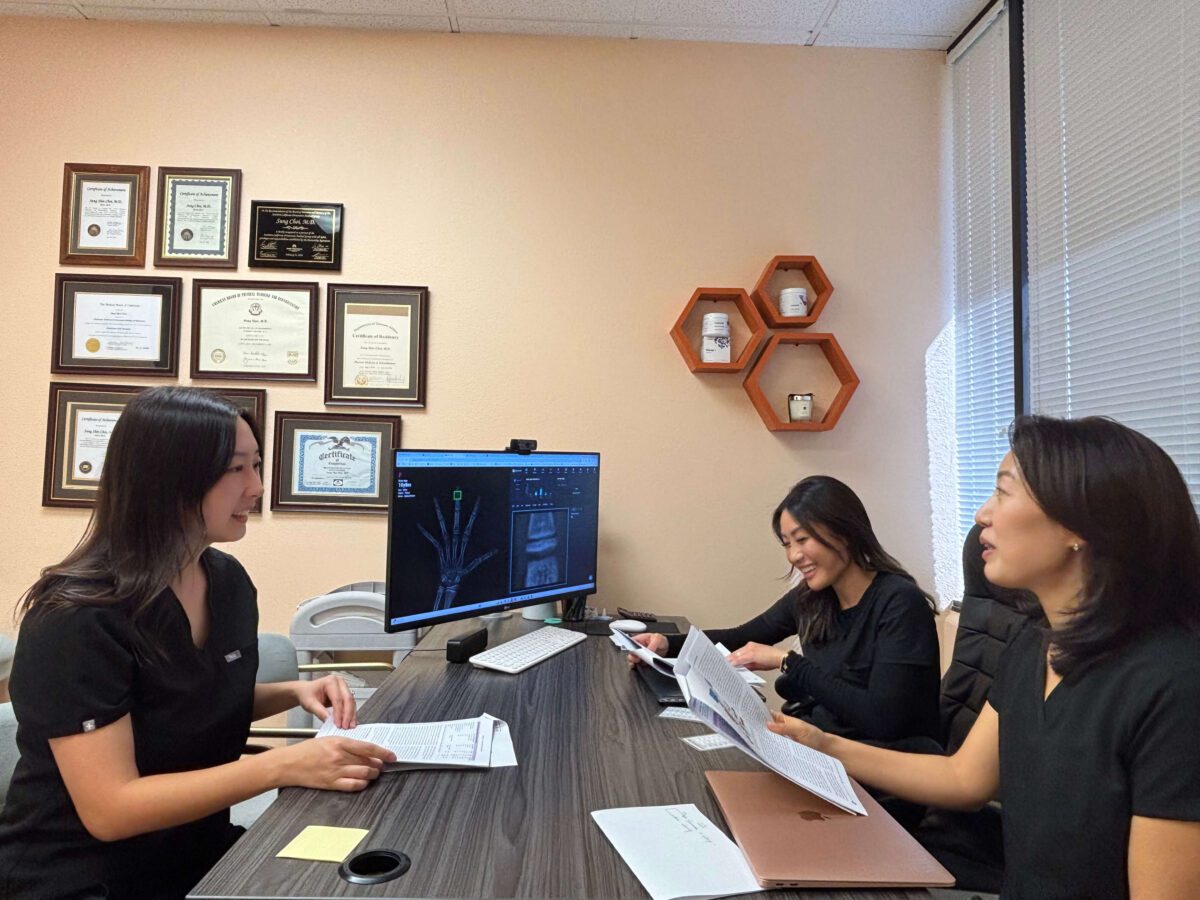
Almost nothing online actually explains what a legitimate pediatric growth clinic does or how a virtual one works. I’m Sunjo Chung, a Nurse Practitioner at I Grow Clinic, and this post gives you a clear, honest picture of what a real height clinic is and exactly how our telehealth process works from the first message you send to the day you get results.
Why Families Trust I Grow Clinic
| Credential | Detail |
|---|---|
| Children treated | Nearly 4,000 with precision growth strategies |
| Treatment retention | 95% rate, reflecting exceptional outcomes and family trust |
| Approach | Meticulous 1:1 personalized management using AI-driven bone age analysis |
| Medical Director | Board Certified by the American Board of Physical Medicine and Rehabilitation (ABPMR) |
| Experience | 20+ years of clinical experience |
| Reputation | 5-Star Google Rating with numerous testimonials |
| Telehealth | Available in CA, NY, WA, FL, and TX |
By the end of this article, you will know exactly what a real pediatric growth clinic looks like, how to tell it apart from a wellness brand or adult med spa, and what our telehealth process involves from first contact to results.
Can a Height Clinic for Kids Operate Virtually, and How Do You Know It’s Legitimate?

A legitimate pediatric height clinic, virtual or in person, is built around a physician-supervised evaluation of your child’s actual growth data: height history, bone age, hormone labs, and pubertal stage. It is not a supplement brand, a peptide seller, an adult med spa, or an oriental medicine clinic, even if some of those businesses use similar language on their websites.
Among the businesses that do claim to offer growth hormone treatment, not all of them are offering what the name suggests. Many practices offering growth-related treatments use sermorelin or similar peptides, which are growth hormone releasing hormones. Rather than supplying growth hormone directly, they signal the body to produce more of its own. These are typically compounded at specialty pharmacies rather than manufactured by pharmaceutical companies, and they are not FDA-approved. Real growth hormone is a 191-amino acid protein complex that requires highly specialized biotechnology to produce, which is why it can only come from a pharmaceutical manufacturer. The two are not the same treatment, and knowing the difference helps you ask the right questions when evaluating any clinic.
🔍 To understand exactly how pharmaceutical growth hormone differs from peptides and compounded products, read: Growth Hormone vs. Peptides for Children
A real height doctor, whether you see them on a screen or in an exam room, will ask for your child’s growth chart history before anything else, order an actual bone age X-ray rather than relying on an online questionnaire alone, and be able to explain clearly why your child does or does not appear to be a candidate for further evaluation. If a website skips straight to selling a product, whether that’s a peptide, a supplement, or a program, without ever mentioning x-ray or lab work, that is the clearest sign you are looking at a wellness brand rather than a medical practice. Virtual delivery does not change any of that. A telehealth growth consultation still requires the same history, the same imaging, and the same physician oversight as an in-person visit.
🔍 To understand what a bone age X-ray actually reveals about your child’s remaining growth potential, read: Bone Age vs. Chronological Age: Is Your Child’s Biological Clock Ticking Too Fast?
What Can a Virtual Growth Consultation Actually Diagnose for Your Child?
This is usually the real question underneath “is telehealth legitimate.” Parents want to know whether a screen can tell a physician enough to actually evaluate their child.
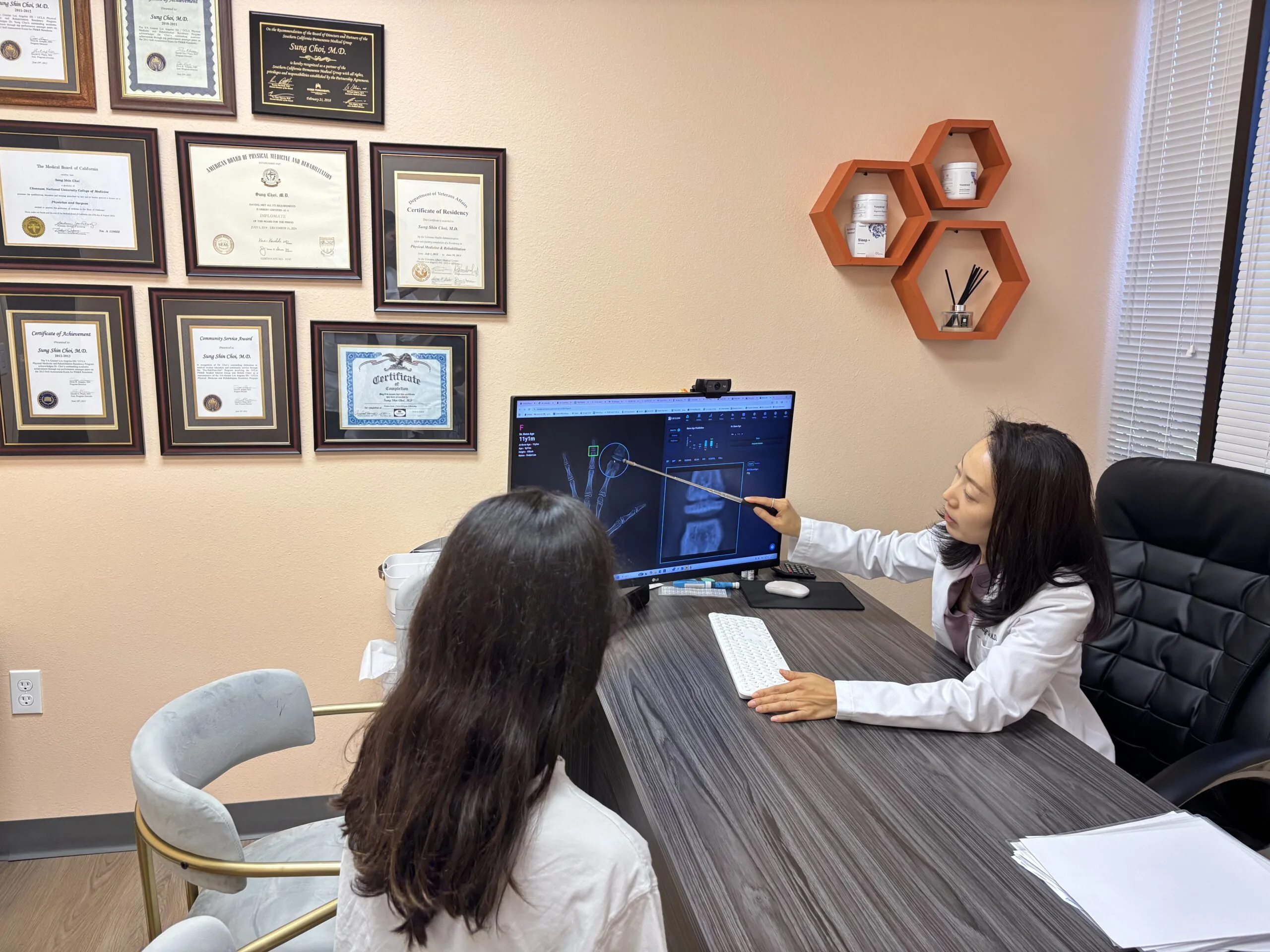
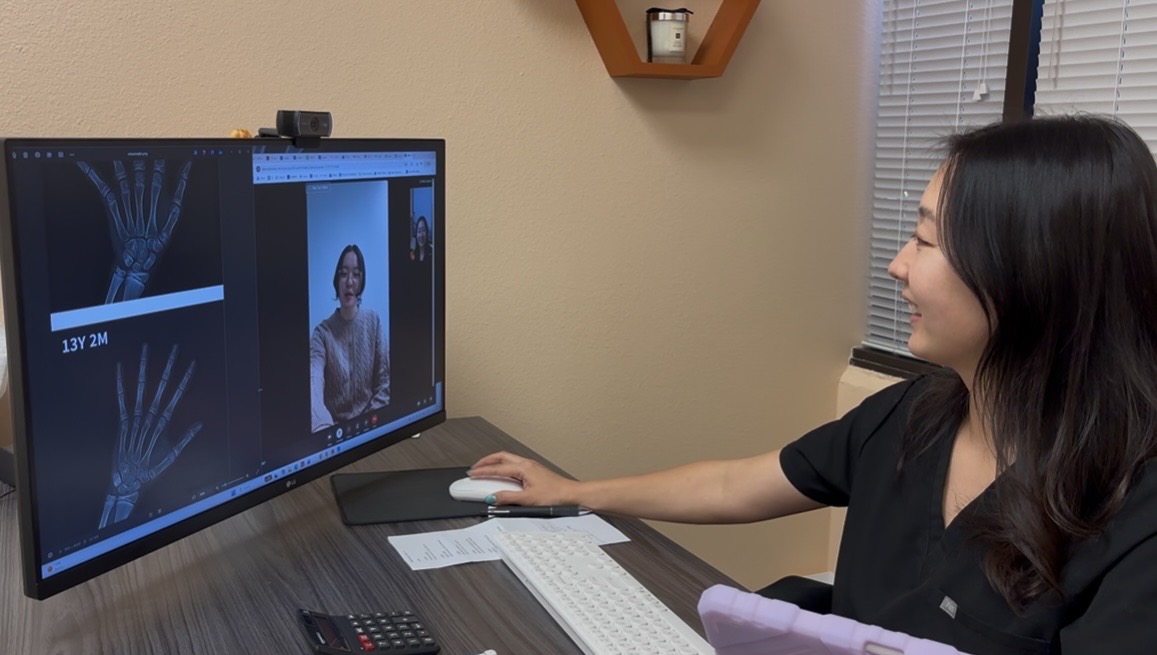
A virtual consultation begins with the bone age X-ray your child had taken at a local imaging center near you. Our medical provider walks you through the results on a shared screen, explaining what your child’s skeletal maturity means for their remaining growth potential. From there, the provider builds a clear plan based on your child’s pubertal stage, growth velocity, and any growth records you have available. Many parents tell us that they were surprised by how thorough and structured the consultation felt, even through a screen.
🔍 For a full walkthrough of how this works from the provider’s side, read: How Pediatric Growth Hormone Telehealth Works
What Does the Telehealth Process Look Like, From First Contact to Results?
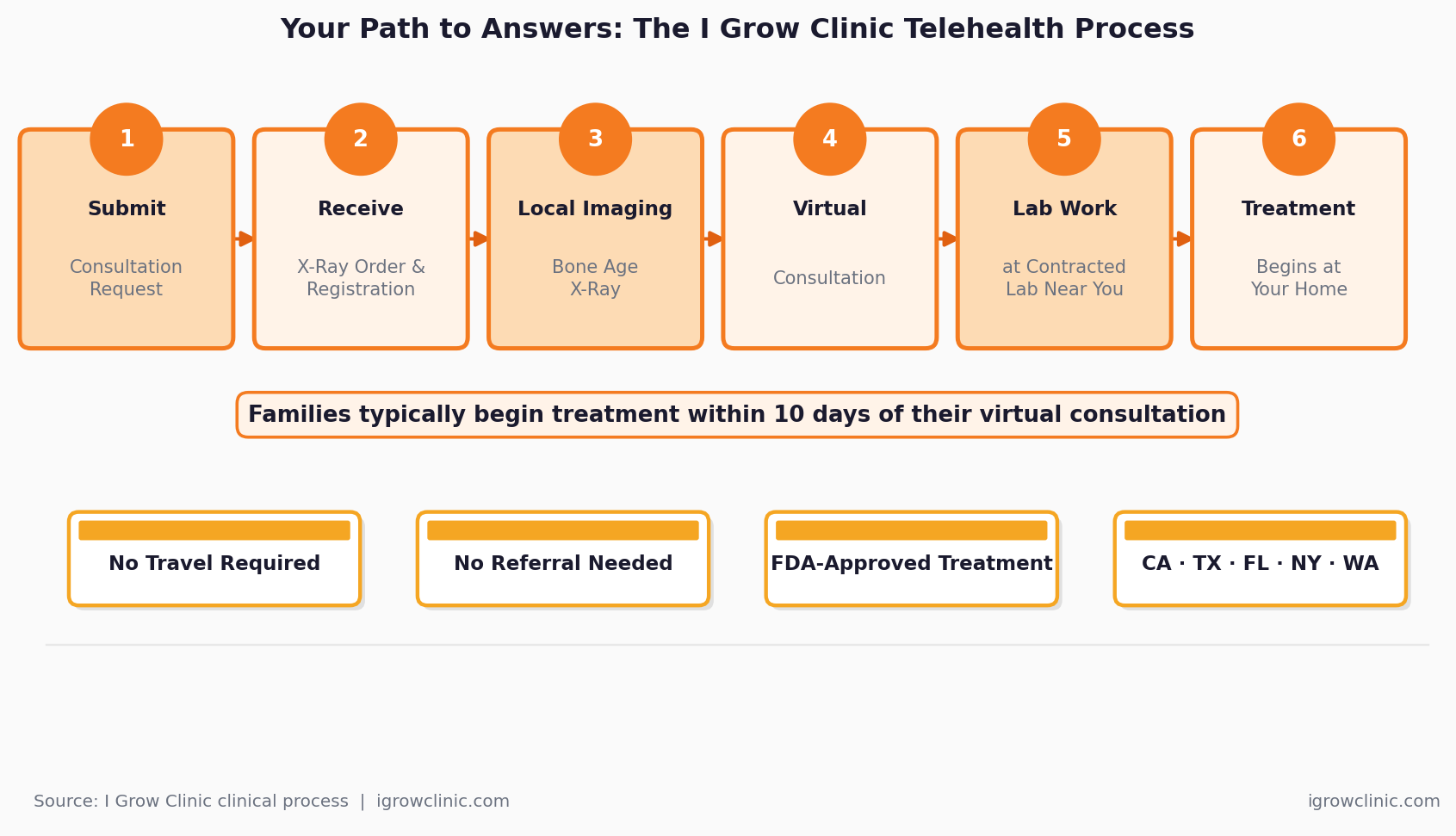
You start by submitting a consultation request through our patient portal. Our team then sends you an X-ray order and a new patient registration form, both handled securely online. From there, you take that order to a local imaging center for a bone age X-ray, a simple, low-dose picture of your child’s left hand and wrist. In most of our covered states, no separate appointment is needed. You can learn more about how our telehealth program works for families across our covered states.
If treatment is appropriate, we arrange lab work at a contracted lab near your home. Once those results are in, we send a prescription to a contracted specialty pharmacy that dispenses FDA-approved growth hormone directly from the pharmaceutical company. Medication is shipped to your home, and families are typically able to begin treatment as fast as ten days after that consultation. From there, ongoing care continues with regular height tracking, periodic televisits, and repeat imaging and labs on a schedule your provider sets based on your child’s specific situation.
🔍 For families weighing whether virtual care can really substitute for driving to a specialist, this next piece breaks down exactly who is qualified to see your child this way and how those consultations are staffed: Pediatric Growth Specialists Available via Telehealth
A Note From One Parent to Another
If you have spent time scrolling through search results trying to figure out which “height clinic” is actually real, that is exactly what a careful parent does. Wanting clarity about your child’s growth is not paranoia. It is the same instinct that made you notice the pants that have been the same length for six months, or the growth chart line that looks a little flat compared to last year.
You don’t need a referral, a diagnosis already in hand, or a specific reason beyond “I want to understand this” to reach out. That’s what a real evaluation is for.
Why This Process Works the Way It Does
Every case that comes through I Grow Clinic, whether the family walks into our Fullerton office or logs in from home, is reviewed by our physician-supervised clinical team using the same AI-driven bone age analysis and the same evaluation standards. Because this is 1:1 concierge care rather than a high-volume practice, new consultation slots are limited each week, which is simply what it takes to give every family’s imaging and labs the attention they need rather than a rushed read.
Families can work with us in person at our Fullerton clinic or through telehealth in California, New York, Washington, Florida, and Texas. Our clinical team is the same either way.
🔍 To understand why we built this clinic around exactly this kind of clarity, read: Why I Started a Growth Hormone Clinic
FAQ: What Parents Ask About Choosing a Height Clinic for Their Child
1. How is a pediatric growth hormone clinic different from what a medical spa offers?
A pediatric height clinic evaluates growth broadly, including bone age, growth velocity, and hormone labs, to determine whether a child qualifies for any treatment at all. Growth hormone therapy is one possible outcome of that evaluation, not the starting point. Medical spas, by contrast, typically offer growth hormone releasing peptides such as sermorelin rather than actual growth hormone. These are compounded at pharmacies without FDA approval or manufacturing oversight, not dispensed as pharmaceutical-grade products. A legitimate pediatric growth clinic uses FDA-approved somatropin from a pharmaceutical company and will explain that distinction clearly before any treatment discussion begins.
2. How do I know if a “height clinic” website is a real medical practice or a wellness brand?
Look for whether they ask for your child’s growth history, order an actual bone age X-ray, and involve a qualified medical provider in reviewing results. If a site moves straight from a contact form to selling a supplement or peptide without ever mentioning imaging or labs, it is not operating as a medical clinic.
3. Can a telehealth growth specialist really diagnose something without seeing my child in person?
Yes, for the specific evaluation involved in short stature. The imaging and labs are done locally near your home, and the provider reviews that same data, growth chart, bone age X-ray, and bloodwork, whether the consultation happens on a screen or across an exam table.
4. What if my child’s growth hormone test came back normal? Does that rule out a height clinic visit?
No. A normal stimulation test simply means your child does not have growth hormone deficiency, and that is not the only pathway to treatment. Children without a deficiency can still qualify for growth hormone therapy under the FDA-approved Idiopathic Short Stature indication, and multiple medical studies have shown that growth hormone treatment improves final adult height in children who do not have a deficiency. A growth evaluation looks at the full picture, including bone age, growth velocity, and pubertal stage, to determine whether your child is likely to benefit.
5. Do I need a referral from my pediatrician to see a height clinic or growth specialist?
No referral is required. I Grow Clinic operates as a self-pay concierge practice, which means you can reach out directly without waiting months for an insurance-based specialist appointment. After your initial consultation and lab work, families are typically able to begin treatment as fast as ten days.