
“We just started injections and I’m terrified I’m going to do it wrong.”
“My daughter cries every night before the shot. I don’t know if that will ever get easier.”
“Is it bad that I’ve been giving it in the buttocks only because it’s the only one I feel confident with?”
Handing a needle to your own child, night after night, is not a small thing. Even parents who work in healthcare tell us the first week feels heavier than they expected. That feeling is normal. It usually does not last.
I’m Jenny Diep, FNP, at I Grow Clinic. Part of my role is guiding families through a confident start and helping catch any issues early. At I Grow clinic, our team has guided close to 3,000 children through growth hormone treatment, and nearly every one of those families started exactly where you are now.
| Credential | Detail |
|---|---|
| Children guided | Nearly 3,000 with precision growth strategies |
| Treatment retention | 95 percent rate, reflecting exceptional outcomes and family trust |
| Approach | Meticulous 1:1 personalized management using AI driven bone age analysis |
| Medical Director | Board Certified by the American Board of Physical Medicine and Rehabilitation (ABPMR) |
| Experience | 20+ years specializing in Pediatric Growth and Developmental PM&R |
| Reputation | 5 Star Google Rating with numerous testimonials |
| Telehealth | Available in CA, NY, WA, FL, and TX |
By the end of this guide, you will know where on your child’s body to give the injection, how to rotate sites correctly, and the small adjustments that make this part of the routine feel far less overwhelming within a few weeks.
Where Exactly Do I Give My Child’s Growth Hormone Injection?
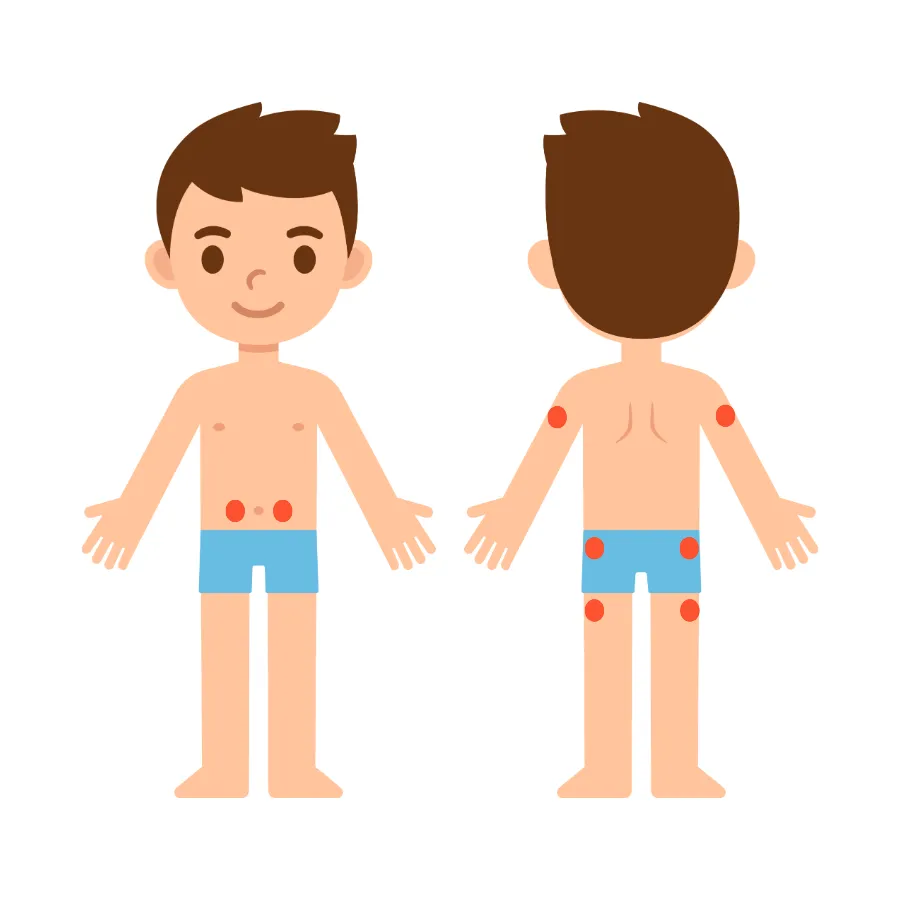
There are four general zones used for daily growth hormone injections, and each one has more than one usable spot within it, which is what makes true rotation possible.
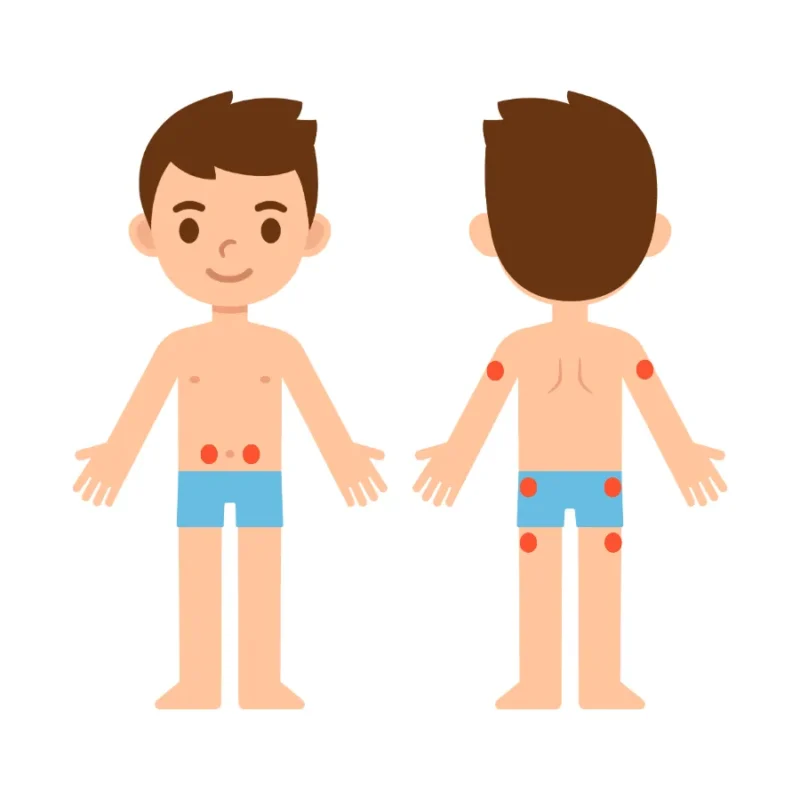
Back of the upper arms. The soft tissue on the back or outer part of the upper arm, avoiding the very center where it is thinner over the muscle. This site works best for older or larger children who have enough fatty tissue there. Younger children often do not have enough fat in this area, so the buttocks and thighs are usually better choices for them.
Front, back or outer thighs. The upper, outer portion of the thigh has more fatty tissue and is easy for a parent to access while the child sits or lies down, making it a good option for younger children.
Sides of the abdomen. At least two finger widths away from the belly button, using the softer tissue on either side rather than the center.
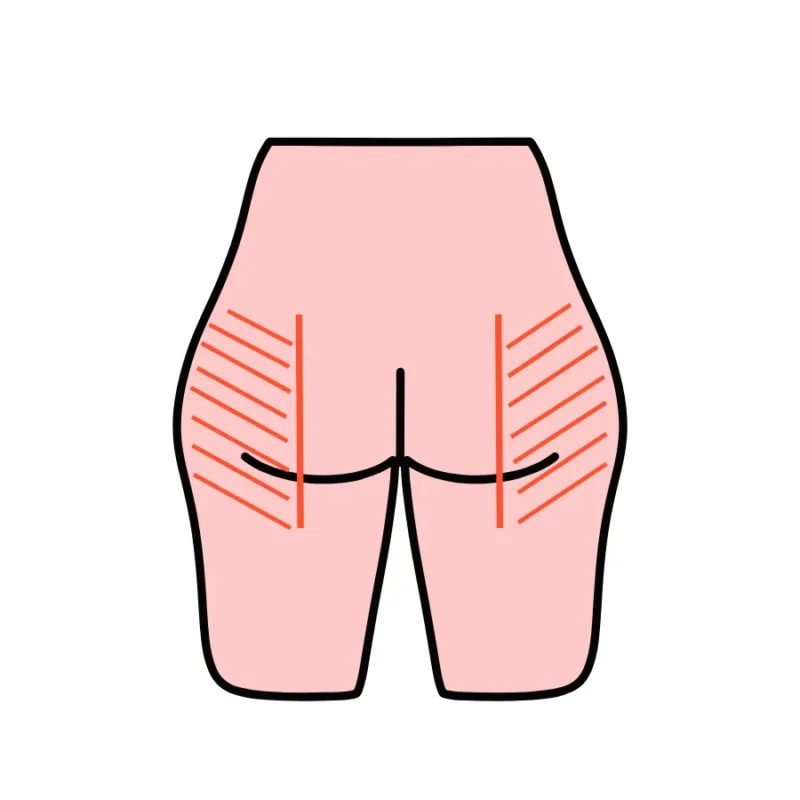
Outer portion of the buttocks. A common injection site for both younger and older children, since it typically has the most fatty tissue to work with. Stay on the outer portion and avoid the inner aspect, which tends to be more sensitive.
Within each of these four zones, you are not injecting the exact same point every night. You are moving around within that zone, left side one night, a slightly different spot the next, then rotating entirely to a different zone over the course of the week. Many families find it helpful to keep a simple paper calendar or a note on the fridge marking which zone was used the night before.
Why Does Rotating Sites Actually Matter?
This is the part most instruction sheets mention in a single sentence, “rotate to avoid scarring,” without explaining what is actually at stake.
When the same small spot is injected repeatedly, the fatty tissue underneath can thicken over time, a change called lipohypertrophy. It is not painful in most cases and it is not dangerous on its own. But it changes how the medication is absorbed. Instead of a steady, predictable release into the bloodstream, the medication can sit in that thickened tissue and absorb more slowly and less consistently.
Here is the good news. You do not need to rotate between all four zones every night. Staying within one general area, using the buttocks consistently, for example, is perfectly fine. What actually matters is not repeating the exact same point. As long as each injection is placed roughly an inch away from the spot used the night before, the tissue has room to recover and rotation is being done correctly, even within a single site.
🔍 For signs to watch for and when to call your care team, read: Growth Hormone Side Effects in Children
How Do I Make This Easier, for My Child and for Me?

Timing. Growth hormone is naturally released most strongly during deep sleep, so injections are typically given in the evening, ideally within about an hour of the same time each night. Building it into an existing routine, right after brushing teeth or right before a bedtime story, tends to work better than treating it as a separate event. After the first week or so, most children settle in and no longer mind the shot.

Numbing cream. A thin layer of over the counter numbing cream, applied about 20 to 30 minutes before the injection, can meaningfully reduce discomfort, especially in the first week when the process is still new and anxiety tends to be highest.

Ice pack. Holding an ice pack on the injection site for 15 to 20 seconds beforehand works as a simpler alternative, numbing the area just enough to take the edge off.
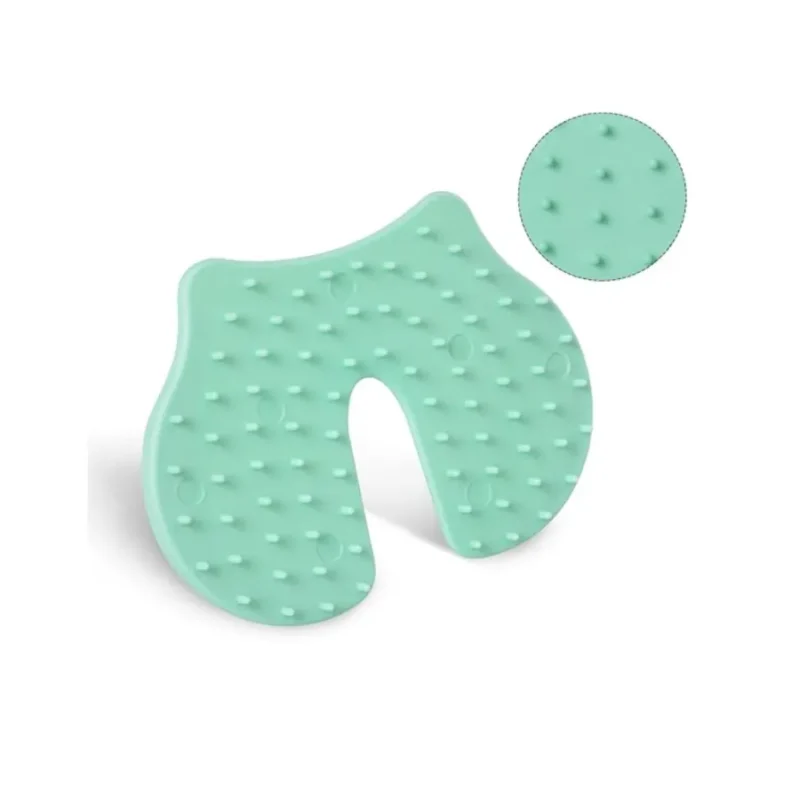
Shot blocker. Searching “shot blocker” online will bring up several types, some with a vibration feature, others with small textured bumps that press against the skin. Both work on the same idea, giving the nerves something else to focus on so the needle is less noticeable.
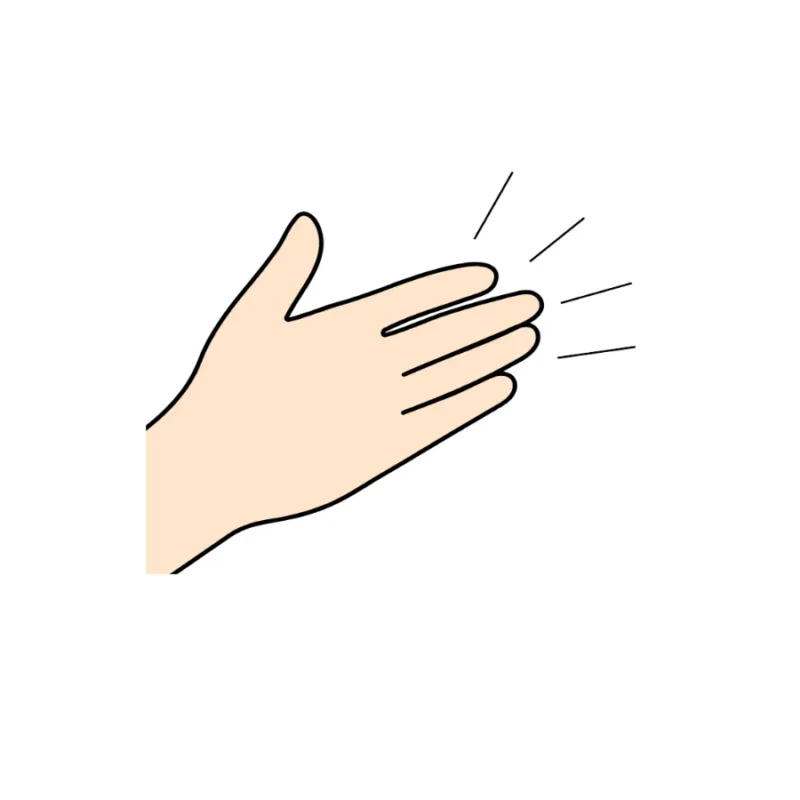
Gentle tapping. A few light taps or a gentle slap near the injection site right before the shot can also help, since it distracts the nerves and makes the needle less noticeable once it goes in.
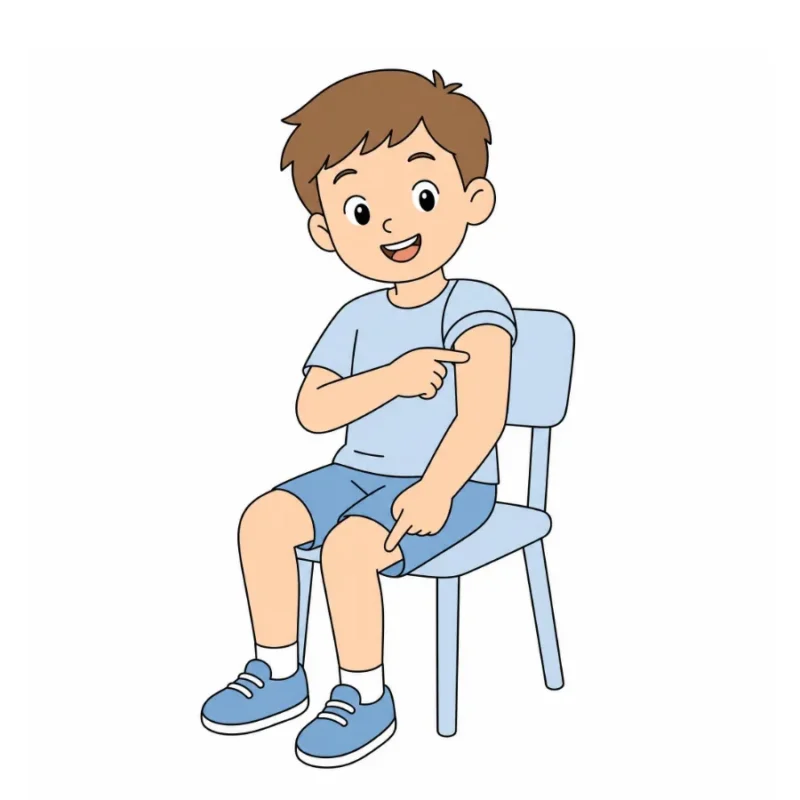
Letting your child participate. For many children, especially once they are 8 or 9, having some control, choosing which of the approved zones to use that night, or counting down before the injection, reduces anxiety more than trying to distract them from what is happening.
Injection Technique
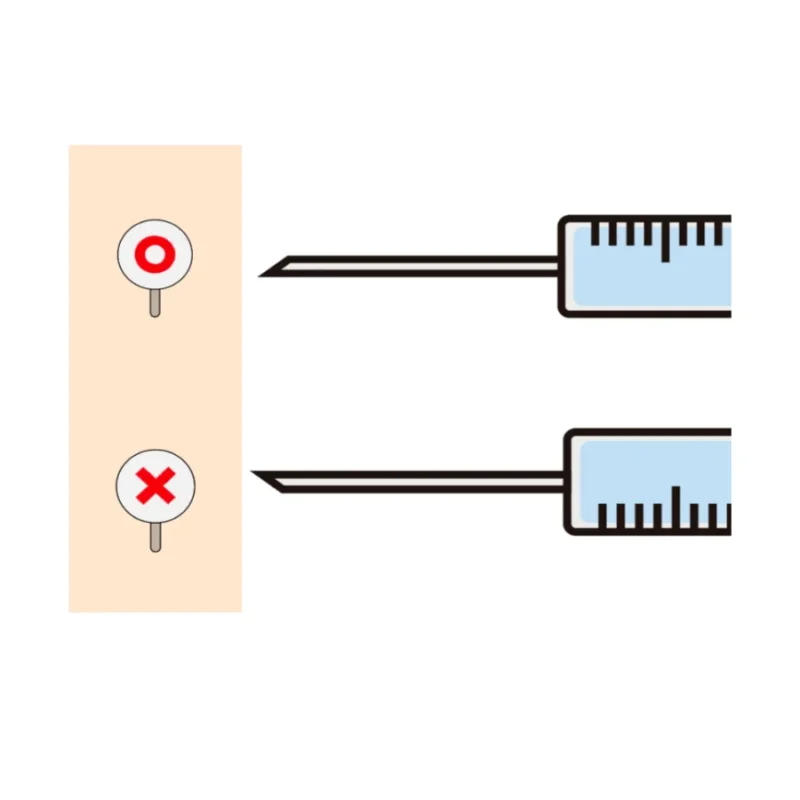
Hold the syringe or pen like a pencil, with the needle opening facing upward. The needle is short, about 5mm, and should be fully inserted, at an angle between 45 and 90 degrees. Pinch the skin first for the arms, thighs, or abdomen, but not for the buttocks, which has a thicker fat layer.
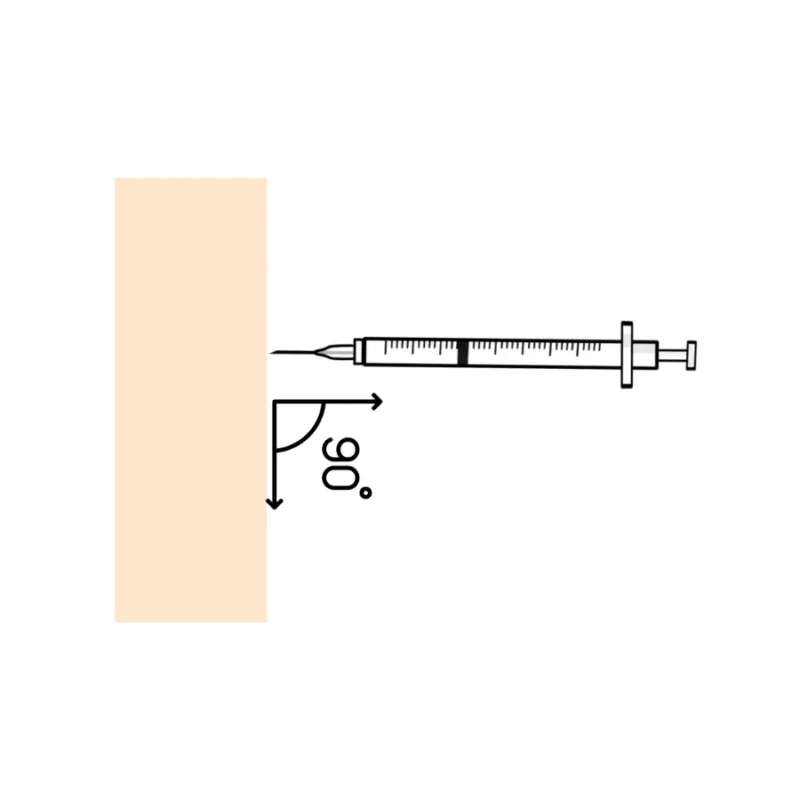
Insert the needle quickly, since nerves sit close to the skin’s surface, but push the medication in slowly. Wait 5 to 10 seconds before pulling the needle out so the medication doesn’t leak back out.
A Real Family’s First Month
One mother of a 7 year old boy told our team she nearly delayed starting treatment by two weeks because she could not picture herself giving the injection comfortably. During training, she practiced on a demonstration pad, then gave the first real injection in the thigh with a nurse practitioner on a video call. By week three, her son was choosing which arm or thigh to use that night, turning it into a small routine rather than a dreaded event. She later said the hardest injection was the first one, and every one after that got easier.
Growth Doesn’t Happen Alone
We know this is not just a medical task. It is something you are doing every night, out of love, to give your child every possible chance to reach their full height potential. Because our clinic works closely with each family, checking in on injection technique and rotation as part of ongoing care, not just at the first visit, families rarely have to figure these details out alone.
Because I Grow Clinic provides concierge, 1:1 management for every child under Dr. Choi’s supervision, consultation and onboarding slots are limited each week to protect the quality of that care. Whether you are just beginning treatment or want a second set of eyes on your current injection routine, we are here to help. Families can request a consultation in person at our Fullerton, California clinic, or through telehealth if you are in CA, NY, WA, FL, or TX.
🔍 To see exactly how telehealth visits and ongoing care work, read: How Pediatric Growth Hormone Telehealth Works
🔍 To understand the deeper reason our clinic was built this way, read: Why I Started a Growth Hormone Clinic
Frequently Asked Questions
1. Does it matter if I use the same arm every single night?
Yes. Repeated use of the same small spot can lead to tissue thickening, which affects how consistently the medication is absorbed. Rotating among all four approved zones helps ensure steady, predictable dosing.
2. How much does the injection actually hurt?
Most children describe it as a quick pinch rather than significant pain, since the needle used is very small and the injection goes into fatty tissue just under the skin. Discomfort typically decreases noticeably once the initial anxiety fades, usually within the first week or two.
3. Can my child give their own injection?
Many children begin participating around ages 9 to 11 under direct parent supervision, and some manage the full injection independently by their early teens, though a parent should always confirm the correct dose and site.
4. What if we miss a night?
Occasional missed injections happen and are typically not a concern, though frequent missed doses should be discussed with your care team.
5. Is a numbing cream safe to use every night?
Over the counter numbing creams are generally well tolerated for nightly use in the recommended amount, but it is worth reviewing your specific product and application routine with your provider to confirm it fits your child’s plan.